
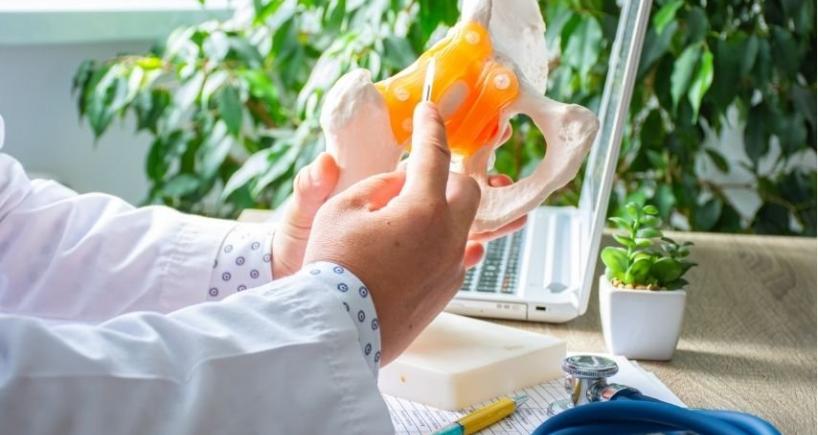


Risks of Revision Hip and Knee Replacement Explained Simply
Medicine Made Simple Summary
Revision hip and knee replacement surgery involves removing a previously placed joint implant and replacing it with a new one. This procedure carries higher risks than first-time joint replacement because the surgeon must work with scar tissue, weaker bone, and altered anatomy. Risks include infection, fracture, instability, stiffness, and slower recovery. While these risks are higher than in primary surgery, careful planning, experienced surgeons, and early monitoring greatly reduce complications and help restore joint function safely.
Why Patients Worry More About Risks in Revision Surgery
When patients are told they need revision joint replacement, fear often follows immediately. Many people remember how demanding the first surgery felt and assume the second will be worse.
Patients and families frequently ask whether revision surgery is dangerous. This concern is understandable. Revision surgery is more complex, but higher risk does not mean unsafe. Understanding the risks helps patients prepare rather than panic.
How Revision Surgery Differs From First-Time Replacement
First-time joint replacement is performed on joints that have not been operated on before. The bone is usually stronger. The anatomy is predictable.
Revision surgery begins in a joint that has already undergone surgery. Scar tissue is present. Bone may be weakened or missing. The old implant must be removed before a new one is placed.
These differences explain why risks are higher in revision procedures.
Risk of Infection
Infection is one of the most serious risks in both primary and revision joint replacement. The risk is higher in revision surgery.
Longer surgery time, scar tissue, and prior infection increase the chance of bacteria affecting the joint. Some revision surgeries are performed specifically to treat infection, which further increases risk.
Strict surgical techniques, antibiotics, and close monitoring help reduce infection rates.
Risk of Bone Fracture During Surgery
During revision surgery, bone surrounding the implant may be thin or fragile. Removing the old implant can place stress on the bone.
This increases the risk of fracture during or after surgery. Fractures are more common in revision surgery than in first-time replacement.
Surgeons use specialized tools and implants to protect bone and reduce this risk.
Risk of Implant Loosening
Revision implants are designed to address bone loss and instability. However, loosening can still occur over time.
Weaker bone and previous damage increase this risk. Loosening may cause pain and instability if it develops.
Careful implant selection and precise placement reduce the chance of loosening.
Risk of Joint Instability
Instability means the joint does not feel secure during movement. This risk is higher after revision surgery.
Hip revision patients may experience dislocation. Knee revision patients may feel the joint buckle or shift.
Muscle weakness, bone loss, and scar tissue all contribute. Rehabilitation and proper implant design help restore stability.
Risk of Stiffness and Limited Movement
Stiffness is more common after revision knee replacement than after hip revision.
Scar tissue forms more easily after multiple surgeries. Swelling and pain can also limit movement.
Early physiotherapy and consistent exercise reduce stiffness, but full movement may take longer to return.
Risk of Blood Clots
Any major joint surgery carries a risk of blood clots in the legs or lungs. Revision surgery carries a slightly higher risk because recovery is slower.
Early walking, medications, and leg exercises help prevent clot formation.
Patients are closely monitored during recovery to reduce this risk.
Risk Related to Anesthesia
Revision surgeries often take longer than first-time surgeries. Longer anesthesia time increases stress on the body.
Most patients tolerate anesthesia well, but older patients or those with heart or lung conditions may have higher risk.
Pre-surgery evaluation helps identify and reduce anesthesia-related risks.
Risk of Ongoing Pain
Some patients worry that revision surgery may not relieve pain completely. This concern is valid.
While most patients experience significant pain relief, some may continue to have mild or moderate discomfort due to nerve irritation or soft tissue damage.
Setting realistic expectations helps patients feel satisfied with outcomes.
Why Recovery Risks Are Higher
Revision surgery recovery is often slower. This increases the risk of complications such as stiffness, weakness, and delayed wound healing.
Fatigue and reduced mobility may last longer. This does not mean recovery is failing. It means healing takes more time.
Supportive care and patience are essential.
How Surgeons Reduce These Risks
Surgeons plan revision surgery carefully using imaging and medical history. Specialized implants and techniques are chosen based on bone quality and joint condition.
Experienced revision surgeons are trained to handle complications if they arise. This significantly improves outcomes.
Choosing the right surgeon is one of the most important risk-reduction steps.
Patient Factors That Affect Risk
Age, body weight, smoking, diabetes, and heart disease can increase risk.
Previous infections or multiple prior surgeries also raise complication rates.
Optimizing health before surgery reduces many of these risks.
Comparing Risk Does Not Mean Avoiding Surgery
Hearing that revision surgery carries higher risk can be frightening. However, avoiding surgery when it is needed often leads to worse outcomes.
Living with a failed joint replacement increases pain, disability, and risk of falls or bone damage.
When revision surgery is recommended, the benefits usually outweigh the risks.
Emotional Impact of Risk Awareness
Learning about risks can cause anxiety. Some patients become afraid to move or participate in recovery.
Clear explanation helps patients understand that risks are managed, not ignored. Awareness empowers safer recovery.
Fear should never prevent patients from asking questions or seeking help.
Suggested Images to Support Understanding
A visual comparing primary and revision surgery complexity helps explain risk differences. A diagram showing bone loss around implants can clarify why risks increase. An illustration explaining infection prevention steps can reassure patients.
Conclusion
Revision hip and knee replacement surgery carries higher risks than first-time surgery because of bone loss, scar tissue, and longer procedures.
However, higher risk does not mean poor outcomes. With expert surgical care, careful planning, and patient involvement, revision surgery restores function and reduces pain for most patients.
Understanding risk allows confident, informed decisions.
If you are considering revision hip or knee replacement, discuss risks openly with your surgeon. Understanding how risks are managed helps you prepare safely and confidently for surgery.
Categories
Clear allMeet the doctor

- Orthopaedics | Orthopaedics and Joint Replacement
-
 17 Years
-
 750
Related Blogs
View all




FAQs

Keep track of your appointments, get updates & more!

