
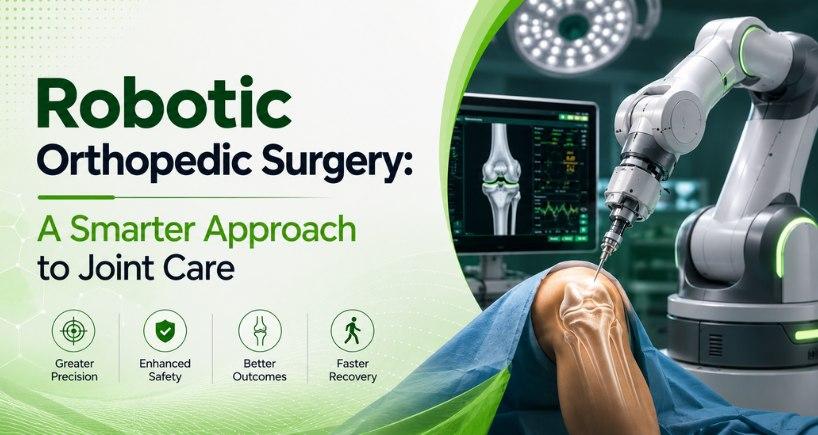


Robotic Orthopedic Surgery A Smarter Approach to Joint Care
Advancements in medical technology have transformed the way orthopedic surgeries are performed. Among these innovations, robotic-assisted orthopedic surgery has emerged as a valuable tool that helps surgeons achieve greater accuracy while improving the overall patient experience. Rather than replacing the surgeon, robotic technology enhances surgical planning and execution, allowing for more precise and personalized treatment.
A robotic surgical system functions as an advanced guidance platform. Before the operation begins, detailed scans of the patient's joint are used to create a three-dimensional model. This digital blueprint enables the surgeon to study the patient's unique anatomy, determine the ideal implant position, and plan each step of the procedure with exceptional precision. During surgery, the robotic system provides real-time feedback, helping the surgeon stay within the planned treatment area while maintaining complete control of every movement.
Robotic-assisted surgery is widely used for knee and hip replacement procedures. Since every patient's bone structure and joint alignment differ, a personalized surgical approach can significantly improve the accuracy of implant placement. Proper alignment is essential because it influences joint movement, stability, and the long-term performance of the implant. By tailoring the procedure to the patient's anatomy, surgeons can work toward achieving better functional outcomes.
Another important benefit of robotic orthopedic surgery is the protection of healthy bone and surrounding soft tissues. The system allows surgeons to operate with greater precision, reducing unnecessary damage to muscles and ligaments. This careful approach may result in less postoperative discomfort, reduced blood loss, and a lower chance of complications. Many patients also experience quicker rehabilitation and regain mobility sooner, although recovery varies from person to person.
The technology also improves decision-making throughout the procedure. Surgeons can monitor their progress continuously and make informed adjustments whenever necessary. This combination of detailed planning and real-time guidance helps deliver consistent surgical results while maintaining high standards of patient safety.
Despite its many advantages, robotic-assisted orthopedic surgery is not the right choice for everyone. The decision depends on several factors, including the patient's age, medical history, bone condition, degree of joint damage, and overall health. An experienced orthopedic specialist evaluates these factors carefully before recommending the most appropriate treatment option.
It is important to remember that successful surgery depends on more than advanced equipment. The expertise of the orthopedic surgeon, the quality of postoperative care, and the patient's commitment to physiotherapy all contribute to a positive recovery. Following medical advice, attending rehabilitation sessions, and maintaining an active lifestyle can significantly improve long-term outcomes.
As orthopedic care continues to evolve, robotic-assisted surgery is setting new standards in precision and patient-centered treatment. By combining innovative technology with skilled surgical expertise, it offers patients a modern solution for joint replacement that aims to reduce pain, restore movement, and improve quality of life. With continued advancements, robotic orthopedic surgery is expected to play an even greater role in helping people return to their daily activities with confidence and comfort.
Categories
Clear allRelated Blogs
View all









FAQs

Keep track of your appointments, get updates & more!

