
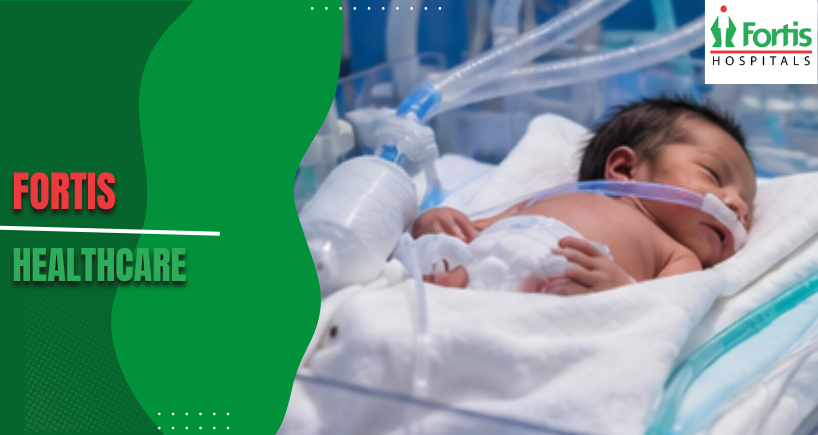


Role of ECMO Machines in Managing Newborn Respiratory Failure Life Saving Support for Newborns
Watching your newborn struggle to breathe ranks among the most terrifying experiences any parent faces. Some babies arrive with lungs that simply can't work properly on their own, whether from premature development, infection, or congenital conditions. Traditional ventilators sometimes aren't enough to keep these fragile babies alive.
That's where advanced life support technology steps in. An ECMO machine works outside your baby's body, taking over the job of both heart and lungs when they can't function adequately. This gives damaged organs time to heal while ensuring your baby's brain and other vital tissues receive the oxygen they desperately need.
When Doctors Consider ECMO for Your Baby
Respiratory failure in newborns happens when their lungs can't transfer enough oxygen into the bloodstream. This might occur because the lungs didn't develop fully before birth. In other cases, an infection like pneumonia damages delicate lung tissue, or a condition called meconium aspiration blocks airways with thick waste material.
Your baby's medical team monitors oxygen levels constantly through small sensors attached to their skin. When these readings drop dangerously low despite maximum ventilator support, doctors begin discussing ECMO as an option. The decision isn't made lightly; this represents one of the most intensive forms of life support available in modern medicine.
Several specific conditions make ECMO necessary for survival. Persistent pulmonary hypertension causes blood vessels in the lungs to constrict, preventing proper oxygenation. Congenital diaphragmatic hernia allows abdominal organs to push into the chest cavity, compressing developing lungs. Severe sepsis overwhelms a newborn's entire system, causing multiple organs including the lungs to fail simultaneously.
How ECMO Technology Works Outside the Body
The system connects to your baby through two tubes called cannulas that doctors insert into major blood vessels. One tube draws blood from the body, while the second returns it after oxygenation. This creates a continuous circuit that essentially bypasses the heart and lungs.
Inside the ECMO machine, blood flows through a specialized membrane that adds oxygen and removes carbon dioxide; exactly what healthy lungs do naturally. A pump keeps blood moving through this circuit at carefully controlled speeds. Think of it as creating an artificial lung outside your baby's body.
The whole process happens under constant supervision. Nurses adjust flow rates, oxygen levels, and other parameters dozens of times daily based on your baby's changing needs. Because blood flowing through tubes tends to clot, doctors add blood-thinning medications that require meticulous monitoring to prevent bleeding complications.
The Critical First Hours on ECMO Support
Starting ECMO involves a surgical procedure performed right in the intensive care unit. Your baby receives anesthesia to keep them comfortable while doctors make small incisions to access the appropriate blood vessels. The entire cannulation process typically takes sixty to ninety minutes.
Once connected, your baby's blood begins flowing through the circuit immediately. Medical teams watch oxygen levels climb as the machine takes over gas exchange functions. However, this doesn't mean instant recovery; ECMO simply buys time for underlying problems to improve with additional treatments.
Your baby remains heavily sedated during ECMO therapy to prevent movement that might dislodge the cannulas. Medications keep them calm and pain-free throughout this period. You'll notice your baby appears more stable than before, with better color and stronger vital signs as properly oxygenated blood reaches all their organs.
Medical Team Expertise Required for ECMO Care
Running an ECMO machine demands specialized knowledge that goes far beyond standard intensive care training. Nurses complete months of ECMO training to understand the complex equipment, recognize potential complications, and respond appropriately when problems arise. This isn't something medical staff learn overnight.
Perfusionists; specialists who normally operate heart-lung bypass machines during surgery; often join the ECMO team. They bring technical expertise in managing blood flow through artificial circuits. Their background makes them invaluable for troubleshooting equipment issues and maintaining optimal machine function.
Doctors trained in neonatal critical care oversee all medical decisions. They coordinate between different specialists, adjust medication dosages, plan additional treatments, and determine when your baby might be ready to come off ECMO support. This requires understanding both the machine's capabilities and your baby's unique medical situation.
Daily Management and Monitoring Protocols
Each day on ECMO follows a careful routine designed to catch problems early. Blood tests run multiple times daily to check clotting function, since the blood thinners must be dosed precisely. Too little causes dangerous clots in the circuit; too much leads to bleeding complications that can be equally serious.
Chest X-rays help doctors assess whether your baby's lungs are showing signs of healing. During ECMO, the ventilator settings are turned way down to give lungs "rest time" without the trauma of high-pressure breathing support. This rest often proves crucial for recovery.
The Best Hospital in India maintains specialized neonatal intensive care units equipped for complex ECMO procedures with experienced multidisciplinary teams.
Neurological monitoring tracks brain function because the biggest risk of ECMO involves bleeding in the brain. Ultrasounds of your baby's head occur regularly to detect any concerning changes early. Medical teams also watch for signs of infection, since the cannulas provide a potential pathway for bacteria to enter the bloodstream.
Signs Your Baby Is Improving on Support
Recovery doesn't happen overnight, but you'll start seeing encouraging signs within days for some babies. Lung X-rays gradually show clearer patterns as inflammation decreases and fluid resolves. Blood oxygen levels remain stable even when doctors reduce the amount of support the ECMO circuit provides.
Your baby's own lungs begin working harder, which shows up on the ventilator readings. Doctors perform "trial runs" where they temporarily decrease ECMO flow while watching how your baby's body responds. Can their heart and lungs maintain adequate oxygen levels independently? These trials get longer each day as strength returns.
The weaning process takes time because babies need to rebuild stamina. Medical teams proceed cautiously, never pushing faster than your baby can handle. Some newborns come off ECMO within a week, while others require several weeks of support before their organs can function independently.
What Happens After ECMO Decannulation
Removing the cannulas represents a major milestone, but it doesn't mean the journey ends. Your baby still needs intensive care, though usually with decreasing levels of support. Ventilator settings continue at higher levels than ECMO allowed, gradually decreasing as lung function improves further.
Doctors monitor for post-ECMO complications during this transition period. The sites where cannulas enter blood vessels must heal properly. Sometimes blood vessels develop narrowing or clots that require additional treatment. Most of these issues resolve with medication, though rarely surgical intervention becomes necessary.
Developmental assessments begin once your baby stabilizes off ECMO. The medical team watches for any signs that oxygen deprivation before ECMO caused lasting effects. Early intervention services can address many developmental concerns when started promptly, giving your child the best possible outcomes.
Understanding Long-Term Outcomes and Follow-Up
Babies who need ECMO require closer monitoring as they grow. Follow-up appointments track developmental milestones, lung function, and overall growth patterns. Some children who had severe lung disease as newborns face higher risks of asthma or other respiratory issues later in childhood.
Hearing tests happen regularly since some medications used during ECMO can affect ear development. Vision screening also matters because premature babies and those with severe illness sometimes develop eye problems. Catching these issues early allows for treatment that minimizes long-term impact.
The good news? Many babies who need ECMO go on to live completely normal lives. Their lungs heal, their brains develop typically, and they hit all the same milestones as other children. Modern ECMO technology has transformed outcomes for newborns who would have had no chance of survival just decades ago.
Categories
Clear allRelated Blogs
View all







FAQs

Keep track of your appointments, get updates & more!

