


Save Your Vision Month: Preventing Vision Loss Through Regular Eye Checkups
You change your screen’s brightness without thinking much about it. You suppose the little bit of blurring around the sides of what you see is just from being tired. You tell yourself you’ll arrange an eye test when you have more time. Every day, a great many people make precisely those sorts of choices – and a lot of them regret it in years to come.
Loss of sight from illnesses such as glaucoma, diabetic retinopathy, and macular degeneration can mostly be avoided if found soon enough. Ophthalmology Experts constantly point out that the great majority of blindness across the world is from conditions which react well to prompt treatment. Save Your Vision Month exists to turn that medical understanding into action, before any harm is lasting.
Why the Eyes Are Especially Vulnerable
The retina – the tissue at the back of the eye which turns light into nerve signals – is among the most energetically busy tissues in the body. Its blood supply is fine, and sensitive to general health problems, including high blood pressure, diabetes, and high cholesterol. Alterations visible in the retina often show what is occurring in blood vessels all over the body.
The optic nerve sends visual information from the retina to the brain. It is unable to renew itself once it is harmed. Illnesses which press on, or deprive, this nerve – glaucoma, for instance – destroy fibres for ever and without warning, so regular testing is important even when your vision feels perfectly normal. To wait for symptoms is a plan which is certain to be too late.
Common Conditions That Threaten Sight
Glaucoma raises the pressure inside the eye, slowly harming the optic nerve in a way which begins in the outer areas of your sight. As central vision remains good until later phases, most people do not realise anything is wrong until a lot of harm has been done. It is thought that over half of cases of glaucoma are not diagnosed at any one time, worldwide.
Diabetic retinopathy develops in a large number of people with long-standing diabetes as high blood sugar harms the small blood vessels which feed the retina. New, weak blood vessels grow in response, likely to leak and bleed. Preventing vision loss in people with diabetes depends almost entirely on yearly screening of the retina and control of blood sugar levels – not on waiting for changes in vision to be noticed.
The Importance of Eye Checkups at Every Age
Young children gain from having their vision tested before they start school, to find amblyopia – often called a lazy eye – before the visual system is fully formed. Not correcting problems with refraction in childhood directly affects school work and social progress. Finding and treating it early, during the period when development is most sensitive, produces results which cannot be copied after the age of seven or eight.
The importance of eye checkups rises notably after the age of forty, when presbyopia – the gradual loss of the ability to focus on things close to you – begins for most people. This is also the age group when checks of pressure inside the eye for the risk of glaucoma become a standard part of a full eye test. People with diabetes, high blood pressure, or a family record of eye illness should be tested every year, whatever their symptoms.
What a Comprehensive Eye Examination Includes
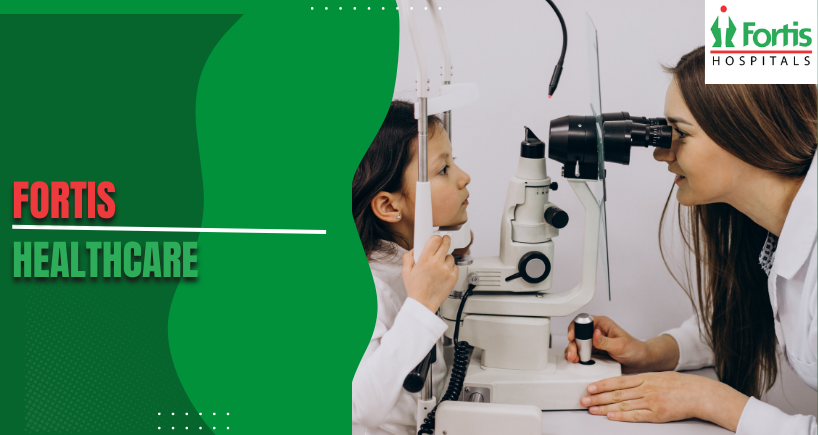
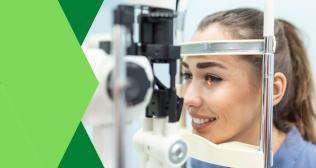
A simple vision test to assess problems with refraction is only one part of a full eye test. Testing visual sharpness, measuring pressure inside the eye, using a slit-lamp to look at the front part of the eye, and fundoscopy to look at the retina and optic nerve together make up the normal assessment. Depending on what a doctor finds during an examination, additional tests – like visual field mapping and optical coherence tomography – are included.
The ophthalmology department at Best Hospital in Gurgaon, employs imaging techniques such as fluorescein angiography and OCT-angiography in order to assess retinal blood flow and discover early structural alterations before any sight is lost. This thorough evaluation is notably important for patients with systemic illnesses which pose a risk to the eyes.
Symptoms That Warrant Prompt Evaluation
Any sudden loss of vision – whether it’s partial or total – is a medical problem needing immediate attention. Central retinal artery occlusion, a detached retina, and acute angle-closure glaucoma can all appear this way, and all demand assessment the same day to maintain sight. A sudden shift in vision should cause a person to contact an eye doctor right away, instead of taking a ‘let’s wait and see’ stance.
Sudden onset of floaters and light flashes – especially if there are a lot of them, or if they come with a shadow in the side vision that looks like a curtain – can mean a retinal detachment. If treated within a few hours or, at most, a couple of days, the retina can be re-attached by surgery. Even a one day delay in treatment makes the outcome for vision much worse once the macula is affected.
Protecting Your Eyes From Daily Hazards
Years of cumulative exposure to ultraviolet radiation from the sun contributes to the development of cataracts and macular degeneration. Sunglasses which block UV-A and UV-B radiation are a sensible way to protect your eyes – especially if you spend a lot of time outside. A hat with a broad brim gives even more protection by cutting down on the amount of light that reaches the eyes from above.
Using digital screens causes eye strain through a combination of a decreased blink rate, a fixed focal distance, and exposure to blue light. ‘Save Your Vision Month’ always promotes the 20-20-20 rule: every twenty minutes when using a screen, look at something twenty feet away for twenty seconds. This gives the muscles which focus the eyes a short, but genuinely helpful, rest.
Dry Eye Disease: Underestimated and Undertreated
A considerable number of adults in cities suffer from dry eye disease, because of air-conditioned places, long periods of screen use, and more people wearing contact lenses. Symptoms include burning, a gritty feeling, blurred vision which gets better with blinking, and – oddly – excessive watering. The condition is long-lasting, but can be controlled with constant treatment.
Preventing vision loss from dry eye needs more than just putting in eye drops from time to time. Omega-3 supplements, care of the eyelids, changing the environment, and – in more serious instances – prescription anti-inflammatory drops make up a layered method of managing the disease. If a severe dry eye is not treated, the surface of the cornea gets damaged over time, and so it’s a condition which needs a doctor’s attention, and not just self-treatment.
When Spectacles Are Not Enough
Keratoconus – the progressive thinning and forward bulging of the cornea – produces vision which is irregularly and badly distorted, and which glasses can’t fully correct. It generally shows itself in the teens and twenties, and can get worse quickly if not treated. Corneal cross-linking – a procedure which makes the collagen in the cornea more rigid to stop it getting worse – is most effective when done early, before the shape of the cornea changes a lot.
The importance of eye checkups in young adults is often not fully understood, as refractive errors are the thing that is usually found at that age. Mapping the shape of the cornea – now routinely added to complete examinations in good quality eye departments – identifies keratoconus at stages where treatment stops the need for a corneal transplant later on.
Categories
Clear allRelated Blogs
View all



Keep track of your appointments, get updates & more!

