



SGPT vs. SGOT: Key Differences, Normal Ranges & What Your Liver Enzymes Reveal
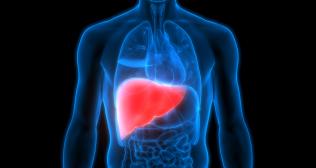
The liver is one of the body's most vital and hardworking organs, performing hundreds of essential tasks from detoxification and metabolism to producing proteins necessary for blood clotting. Because it plays such a central role in our overall health, monitoring its function is a key part of routine medical care. One of the most common ways to assess liver health is through a Liver Function Test (LFT), a simple blood test that measures the levels of various proteins and enzymes in your bloodstream.
Among the most important markers in this test are two enzymes: SGPT and SGOT. You may have seen these acronyms on a lab report and wondered what they mean. Understanding the difference between SGPT and SGOT is crucial, as their levels can provide valuable insights into the health of your liver and other organs. This guide will explain their functions, what their levels indicate, and why the relationship between them matters.
Understanding the Key Players: SGPT and SGOT
SGPT and SGOT are enzymes; special proteins that speed up chemical reactions in your cells. They are primarily involved in metabolizing amino acids, the building blocks of protein. While both are found in the liver, their distribution throughout the body is a key point of difference.
What is SGPT (ALT)?
SGPT stands for Serum Glutamic Pyruvic Transaminase. In modern medical terms, it is more commonly known as Alanine Aminotransferase (ALT). The primary SGPT function is to help convert a protein called alanine into energy for your cells.
The most important thing to know about SGPT (ALT) is that it is found in very high concentrations within liver cells and in much lower concentrations elsewhere. Because it is so liver-specific, it is considered a more direct indicator of liver health. When liver cells are damaged or inflamed, they release SGPT into the bloodstream, causing its levels to rise.
What is SGOT (AST)?
SGOT stands for Serum Glutamic Oxaloacetic Transaminase, also known as Aspartate Aminotransferase (AST). Like SGPT, this enzyme is also involved in amino acid metabolism, specifically helping to process an amino acid called aspartate.
However, a critical SGOT and SGPT difference is that SGOT is not as liver-specific. While significant amounts are found in the liver, it is also present in other parts of the body, including the heart, muscles, kidneys, and even the brain. This means that elevated SGOT levels can indicate damage to the liver, but they could also signal a problem in another area, such as a muscle injury or a heart condition.
The SGPT & SGOT Test: What to Expect
The SGPT & SGOT test is a straightforward blood test that requires no special preparation. It is typically performed as part of a comprehensive Liver Function Test panel. A healthcare professional will draw a small sample of blood from a vein in your arm. The sample is then sent to a laboratory for analysis, and the results are usually available within a day or two. It is a quick and minimally invasive way to get a snapshot of what is happening inside your body.
Normal Ranges and What Elevated Levels Mean
When you receive your lab report, you will see your SGPT and SGOT values alongside a reference range. It's important to note that the exact normal range can vary slightly from one laboratory to another. However, typical normal ranges are:
- SGPT (ALT): Approximately 7 to 56 units per liter (U/L)
- SGOT (AST): Approximately 10 to 40 units per liter (U/L)
Levels outside these ranges, particularly elevated levels, can indicate an underlying health issue.
- High SGPT Levels: Since the primary SGPT function is tied to the liver, elevated SGPT is a strong indicator of liver distress or damage. Common causes include viral hepatitis (A, B, C), non-alcoholic fatty liver disease (NAFLD), alcoholic liver disease, damage from certain medications or toxins, and cirrhosis.
- High SGOT Levels: Elevated SGOT can also point to liver damage, but because it is found in other tissues, your doctor will need to consider other possibilities. For example, strenuous exercise can cause a temporary spike in SGOT due to minor muscle breakdown. A heart attack can also release SGOT into the blood.
The SGOT/SGPT Ratio: A Deeper Diagnostic Clue
To get a clearer picture, doctors often look at the difference between SGPT and SGOT by calculating their ratio (SGOT/SGPT or AST/ALT). This is known as the De Ritis ratio, and it can provide important clues about the underlying cause of liver damage. The SGOT SGPT ratio normal range is typically less than 1.
- Ratio Less Than 1 (SGOT < SGPT): When SGPT is significantly higher than SGOT, it strongly suggests liver-specific damage that is not related to alcohol. This pattern is common in conditions like viral hepatitis and non-alcoholic fatty liver disease.
- Ratio Greater Than 1 (SGOT > SGPT): An SGOT level that is higher than the SGPT level can indicate different issues.
- Ratio Greater Than 2 (SGOT is more than double SGPT): This is a strong indicator of alcoholic liver disease. Alcohol is more toxic to the mitochondria where one form of SGOT is located, causing it to be released disproportionately.
- Ratio Around 1: A ratio close to 1 can be seen in conditions like cirrhosis.
Analyzing the SGOT SGPT ratio normal range and any deviations from it helps your doctor narrow down the potential causes of your elevated enzyme levels.
A Piece of a Larger Puzzle
It is vital to remember that an SGPT & SGOT test is just one tool in a doctor's diagnostic toolkit. Abnormal results do not provide a complete diagnosis on their own. They are an indication that further investigation is needed. Your doctor will interpret your results in the context of your overall health, symptoms, medical history, and other test results to determine the cause and recommend the appropriate next steps.
By understanding what these enzymes are and what their levels might reveal, you can be a more informed and proactive partner in managing your health.
Frequently Asked Questions
1. Can stress cause high SGPT and SGOT levels?
Ans. While chronic stress can contribute to lifestyle habits that harm the liver (like poor diet or alcohol use), stress itself does not directly cause a significant increase in these enzyme levels.
2. What lifestyle changes can help lower elevated liver enzymes?
Ans. Avoiding alcohol, maintaining a healthy weight, eating a balanced diet low in processed foods and sugar, and getting regular exercise can all significantly improve liver health and help lower enzyme levels.
3. Can medications cause elevated SGPT and SGOT?
Ans. Yes, many medications, including common pain relievers, cholesterol-lowering drugs, and some antibiotics, can affect the liver and cause a temporary rise in enzyme levels.
4. Is a low SGPT or SGOT level a cause for concern?
Ans. Low levels of these enzymes are not typically considered a medical problem and are generally not a cause for concern.
5. How often should I get my liver enzymes checked?
Ans. For healthy individuals, it is often included in routine annual health check-ups. If you have a known liver condition or risk factors, your doctor will recommend a more frequent testing schedule.
Categories
Clear allRelated Blogs
View all
When Is A Liver Transplant Recommended?

Alcoholic Liver Disease - Why Worry?

Binge Drinking Trend Is The New Silent Killer



Irritable Bowel Syndrome

Digestive Disorders And Prevention



Keep track of your appointments, get updates & more!

