


Shoulder Arthroscopy - Surgery Procedure and Benefits
Medicine Made Simple Summary
Hearing that you need surgery can feel overwhelming, especially if it’s your first time. Shoulder arthroscopy is a minimally invasive procedure used to diagnose and repair shoulder problems. But what actually happens from the time you walk into the hospital to the moment you return home? In this article, we’ll explain the procedure in simple terms — how you prepare, what happens during surgery, and what recovery looks like. By the end, you’ll feel more confident about what to expect on your journey to healing.
Why Shoulder Arthroscopy Is Done
The shoulder is a complex joint, and sometimes X-rays or MRI scans don’t give the whole picture. Arthroscopy allows the surgeon to see directly inside the joint and repair issues at the same time. It’s used for rotator cuff tears, labral tears, shoulder instability, impingement syndrome, loose bone or cartilage fragments, and certain types of arthritis. For many patients, arthroscopy provides both a diagnosis and a treatment in one procedure.
Preparing for Surgery: What Patients Should Know
Preparation begins well before the day of the operation. You’ll usually have a pre-operative appointment where the surgeon reviews your medical history, discusses risks and benefits, and orders tests if needed. You may be asked to stop taking certain medications, avoid eating or drinking for several hours before surgery, and arrange for someone to drive you home afterward. Some hospitals provide a physiotherapy session before surgery, teaching you simple exercises you’ll need during recovery.
What Happens on the Day of Surgery?
On the day of your surgery, you’ll arrive at the hospital or surgical center a few hours before the procedure. Nurses will check your vital signs, place an IV line for medications, and review your consent forms. You’ll change into a surgical gown and meet the anesthesiologist, who will explain how you’ll be kept comfortable during the operation.
Anesthesia: You Won’t Feel a Thing
Most shoulder arthroscopies are done under general anesthesia, meaning you’ll be asleep for the entire procedure. In some cases, a regional nerve block may be used, which numbs the shoulder and arm for hours after the surgery to help control pain. The anesthesiologist will choose the best option for your health and comfort.
Entering the Operating Room
Once you’re asleep, you’ll be positioned carefully — usually either sitting upright in a beach chair position or lying on your side with the arm gently pulled to create space in the joint. Your skin is cleaned with a special antiseptic solution to prevent infection, and sterile drapes are placed around the area.
Making the First Small Incision
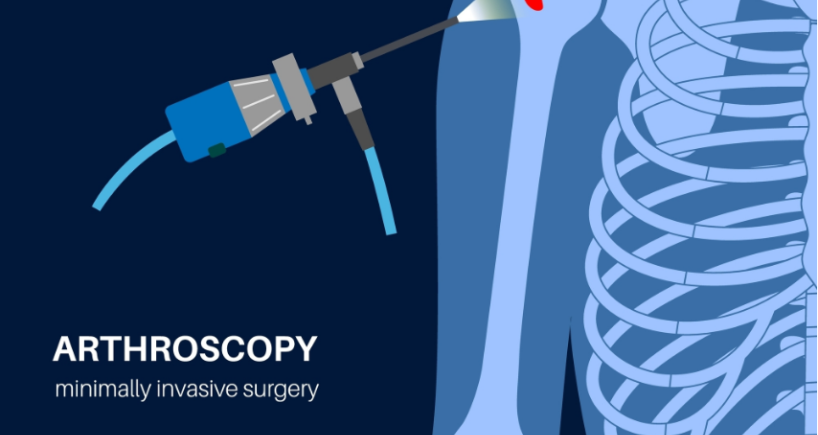
The surgeon makes a tiny incision (about the size of a buttonhole) near your shoulder and inserts the arthroscope. This small camera sends live video to a monitor, allowing the surgeon to see inside your shoulder with great detail.
Exploring the Shoulder Joint
The arthroscope gives a clear view of the joint structures — cartilage, tendons, ligaments, and bone surfaces. Additional small incisions may be made to insert thin surgical instruments. These instruments allow the surgeon to repair, remove, or smooth damaged tissue.
Common Repairs Done During Arthroscopy
Depending on your condition, the surgeon may repair a torn rotator cuff, fix a torn labrum, shave down bone spurs, remove loose fragments of cartilage or bone, or clean out inflamed tissue. Each repair is done through incisions less than a centimeter long.
Closing the Incisions
After the repairs are complete, the instruments and arthroscope are removed. The tiny incisions are closed with stitches or small adhesive strips. A bandage is applied, and your arm may be placed in a sling for support.
How Long Does the Surgery Take?
The length of surgery depends on what needs to be done. A simple diagnostic arthroscopy may take only 30 minutes, while a more complex rotator cuff repair may take 90 minutes or more. Most patients are ready to leave the hospital the same day.
Waking Up After Surgery
You’ll wake up in a recovery room, where nurses monitor your blood pressure, breathing, and comfort. It’s normal to feel groggy and have some soreness in the shoulder. If a nerve block was used, your arm may feel heavy and numb for several hours.
Pain Management After Arthroscopy
Doctors typically recommend a combination of strategies to control pain: prescription or over-the-counter medications, ice packs, and a nerve block that may provide relief for 12–24 hours. Many patients are surprised to find the pain is less than they expected, especially compared to open surgery.
Recovery at Home: The First Few Days
Once you’re discharged, you’ll need rest, ice, and proper sling use. Instructions usually include keeping the arm immobilized in a sling, changing dressings as instructed, avoiding heavy lifting, and scheduling a follow-up appointment in 1–2 weeks.
Physiotherapy and Long-Term Recovery
Physical therapy usually begins within the first few weeks after surgery. Early exercises focus on gentle motion to prevent stiffness. As healing progresses, strengthening exercises are introduced. A typical recovery timeline looks like this: Weeks 1–2: rest and sling use. Weeks 3–6: guided physiotherapy. Months 2–4: strengthening. Months 4–6: return to full activity.
Benefits of Arthroscopy Compared to Open Surgery
Patients often ask why arthroscopy is preferred. The advantages include smaller incisions, less scarring, less pain, faster recovery, same-day discharge, and lower infection risk.
Risks and Possible Complications
Like all surgeries, arthroscopy carries risks. These include infection, stiffness, bleeding, blood clots, or nerve injury. Fortunately, these complications are rare, and most patients recover well with proper care and physiotherapy.
What Patients Say: Real-Life Experiences
Many people who undergo shoulder arthroscopy report positive results, especially once the initial recovery is complete. Patients often mention relief from night pain, improved ability to lift and reach overhead, and return to activities they thought they had lost. Success depends heavily on following rehabilitation plans closely.
Is Shoulder Arthroscopy Right for You?
If your shoulder pain hasn’t improved with rest, physiotherapy, or medications, and imaging tests show a problem that can be fixed surgically, arthroscopy may be the best choice. Your surgeon will guide you through whether this procedure suits your condition and goals.
Conclusion
If you’re living with shoulder pain and wondering if surgery could help, talk to an orthopedic specialist. Understanding what really happens during shoulder arthroscopy can take away the fear of the unknown. With the right treatment and recovery plan, many patients regain comfort and mobility, returning to the activities they love.
Categories
Clear allMeet the doctor
}}drupal-data/images/doctor_female.jpg)
- Orthopaedics | Orthopaedics | Orthopaedics and Joint Replacement | Orthopaedics and Spine Surgery
-
 23 Years
-
 800
Related Blogs
View all






FAQs

Keep track of your appointments, get updates & more!

