
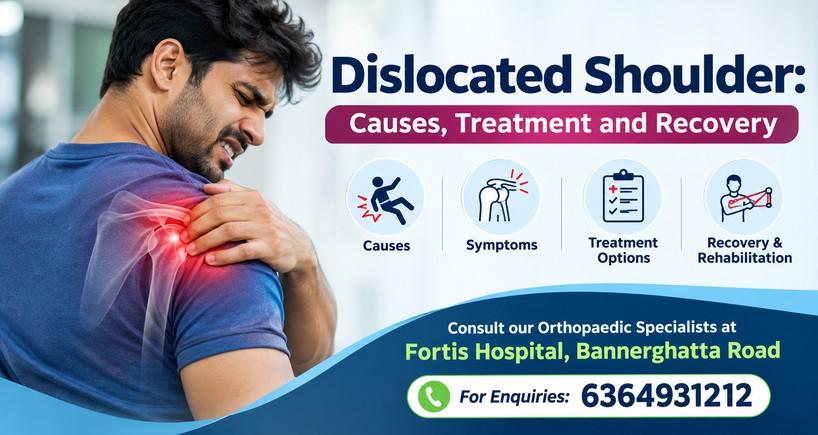


Shoulder Dislocation Causes Treatment and Recovery
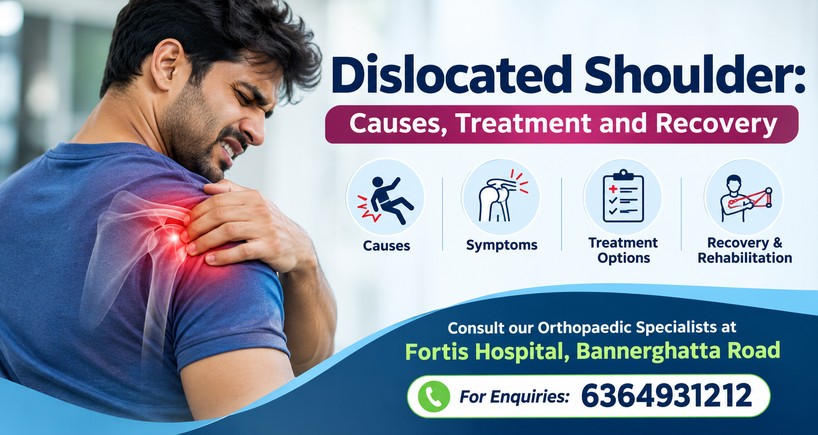
Dislocated Shoulder: Causes, Treatment and Recovery
A shoulder dislocation can be a painful and distressing experience, often making it difficult to move your arm or perform everyday activities. Whether it happens due to a sports injury, accidental fall or sudden impact, a dislocated shoulder requires timely medical attention to prevent further damage and complications.
The shoulder is one of the most mobile joints in the human body, allowing a wide range of arm movements. However, this flexibility also makes it more vulnerable to dislocations. Understanding the causes, symptoms, treatment options and recovery process can help you take the right steps towards restoring shoulder function.
What Is a Dislocated Shoulder?
A shoulder dislocation occurs when the upper arm bone (humerus) moves out of its normal position in the shoulder socket (glenoid). This usually happens when a strong force pushes or pulls the arm beyond its normal range of movement.
Shoulder dislocations are broadly classified into three types:
- Anterior Dislocation: The most common type, where the upper arm bone moves forward out of the socket.
- Posterior Dislocation: Occurs when the upper arm bone moves backwards, often following seizures, electric shocks or traumatic injuries.
- Inferior Dislocation: A rare type in which the upper arm bone moves downward from the shoulder socket.
A shoulder dislocation may also damage the surrounding ligaments, tendons, cartilage and nerves.
What Are the Common Causes of Shoulder Dislocation?
Shoulder dislocations can occur due to sudden injuries or repetitive strain. Some common causes include:
- Sports Injuries: Contact sports such as football, basketball, rugby and wrestling can put excessive force on the shoulder joint.
- Accidental Falls: Falling directly onto the shoulder or landing on an outstretched arm can cause the joint to move out of position.
- Road Traffic Accidents: Sudden impact during an accident can result in shoulder dislocation.
- Overstretching: Forceful movements or stretching the arm beyond its normal range can lead to dislocation.
- Previous Shoulder Injuries: People who have experienced a shoulder dislocation previously may have a higher risk of recurrence due to weakened supporting structures.
What Are the Symptoms of a Dislocated Shoulder?
The symptoms of a shoulder dislocation can vary depending on the severity of the injury. Common warning signs include:
- Severe and sudden shoulder pain.
- Visible deformity or an unusual shoulder shape.
- Swelling and bruising around the shoulder.
- Difficulty or inability to move the arm.
- A feeling that the shoulder has slipped out of place.
- Numbness, tingling or weakness in the arm or hand.
- Muscle spasms around the affected joint.
If you experience these symptoms following an injury, seek immediate medical attention. Do not attempt to put the shoulder back into place yourself.
How Is a Dislocated Shoulder Diagnosed?
An orthopaedic specialist will evaluate the shoulder to determine the extent of the injury and identify any associated damage.
The diagnostic process may include:
1. Physical Examination: The doctor checks the shoulder's shape, swelling, movement, pain and circulation. Nerve function is also assessed.
2. X-Ray: An X-ray helps confirm the dislocation, identify the direction in which the bone has moved and check for associated fractures.
3. MRI Scan: An MRI may be recommended to assess damage to the ligaments, tendons, cartilage and other soft tissues.
4. CT Scan: In certain cases, a CT scan helps evaluate bone damage and fractures, particularly when surgical treatment is being considered.
What Are the Treatment Options for a Dislocated Shoulder?
Treatment depends on the severity of the dislocation, the patient's age, activity level and whether there is any associated damage to the shoulder structures.
1. Closed Reduction
Closed reduction is a procedure in which an orthopaedic specialist carefully moves the upper arm bone back into its normal position in the shoulder socket without surgery. Pain relief medication, sedation or anaesthesia may be used depending on the situation.
An X-ray is generally performed after the procedure to confirm that the shoulder is correctly positioned.
2. Shoulder Immobilisation
Following reduction, the shoulder may be supported using a sling to allow the injured tissues to heal. The duration of immobilisation depends on the nature of the injury and the treating doctor's recommendation.
3. Medications
Doctors may prescribe appropriate pain-relieving and anti-inflammatory medications to manage discomfort and swelling.
4. Physiotherapy and Rehabilitation
Physiotherapy plays an important role in shoulder recovery. A structured rehabilitation programme may include:
- Gentle range-of-motion exercises.
- Shoulder strengthening exercises.
- Rotator cuff muscle training.
- Exercises to improve joint stability.
- Gradual return to daily activities and sports.
5. Surgical Treatment
Surgery may be recommended for patients with recurrent shoulder dislocations, significant ligament or cartilage damage, associated fractures or persistent shoulder instability.
Depending on the injury, surgical options may include:
- Arthroscopic Bankart Repair: A minimally invasive procedure used to repair damaged tissue around the shoulder socket.
- Latarjet Procedure: A surgical technique that uses a portion of the coracoid bone to improve shoulder stability in selected patients with significant bone loss or recurrent instability.
- Other Reconstructive Procedures: Depending on the extent and location of bone or soft-tissue damage, additional surgical techniques may be considered.
The choice of procedure depends on individual clinical findings.
How Long Does It Take to Recover from a Dislocated Shoulder?
Recovery time varies depending on the severity of the injury, treatment method, age and overall health of the individual.
A general recovery timeline may look like this:
- First 1–2 weeks: Pain and swelling gradually improve, and the shoulder may be supported with a sling.
- Weeks 2–6: Guided physiotherapy may begin or progress, depending on the injury and doctor's advice.
- Weeks 6–12: Gradual strengthening and improvement in shoulder mobility.
- 3–6 months or longer: Many patients progressively return to sports and physically demanding activities, depending on their recovery and medical clearance.
Patients who undergo surgery may require a longer rehabilitation period.
Following the prescribed rehabilitation programme is essential to restore strength, mobility and shoulder stability.
Can a Dislocated Shoulder Happen Again?
Yes. A shoulder that has been dislocated once may be more vulnerable to future dislocations, particularly in younger individuals and those involved in contact sports.
The risk of recurrence may increase due to:
- Damage to the shoulder ligaments and cartilage.
- Incomplete healing after the initial injury.
- Returning to sports or strenuous activities too early.
- Weak shoulder and rotator cuff muscles.
- Persistent shoulder instability.
Early diagnosis, appropriate treatment and strengthening exercises can help reduce the risk of recurrence.
How Can You Prevent Shoulder Dislocation?
Although not all shoulder dislocations can be prevented, certain precautions can help reduce the risk:
- Perform proper warm-up exercises before sports and workouts.
- Strengthen the shoulder and surrounding muscles.
- Avoid excessive stretching or forceful shoulder movements.
- Use appropriate protective equipment during contact sports.
- Follow medical advice before returning to physical activities after an injury.
- Complete the prescribed physiotherapy programme.
When Should You Consult an Orthopaedic Specialist?
A suspected shoulder dislocation should always be treated as an urgent medical condition. Seek immediate medical attention if you experience severe shoulder pain, visible deformity, inability to move your arm or numbness following an injury.
Do not attempt to reposition the shoulder yourself, as this may cause further damage to the nerves, blood vessels or surrounding tissues.
Get Expert Orthopaedic Care at Fortis Hospital, Bannerghatta Road
Shoulder dislocations require timely diagnosis and the right treatment approach to restore joint stability and movement. From initial evaluation and non-surgical management to advanced surgical procedures and rehabilitation, appropriate orthopaedic care can support a safe recovery.
At Fortis Hospital, Bannerghatta Road, patients can consult experienced orthopaedic specialists for the evaluation and management of shoulder injuries and joint-related conditions.
If you are experiencing shoulder pain, instability or a suspected dislocation, seek medical advice without delay.
For appointments and enquiries: 6364931212
Disclaimer: This article is intended for general educational purposes and should not be considered a substitute for professional medical advice, diagnosis or treatment. Treatment and recovery timelines vary from patient to patient.
Categories
Clear allMeet the doctor

- Orthopaedics | Orthopaedics | Orthopaedics and Joint Replacement | Robotic and Computer navigated Joint reconstruction
-
 25 Years
-
 1100
Related Blogs
View all



FAQs

Keep track of your appointments, get updates & more!

