


Shoulder Pain - Recovery After Arthroscopy and Physiotherapy
Medicine Made Simple Summary
Shoulder pain affects millions of people every year. It can stop you from lifting groceries, driving, exercising, or even sleeping comfortably. Sometimes it comes from overuse, sometimes from an injury, and sometimes from conditions like arthritis or frozen shoulder. While many cases improve with rest, medication, or physiotherapy, some don’t go away that easily. In these situations, a type of minimally invasive surgery called shoulder arthroscopy may be recommended. This article breaks down everything you need to know in a clear, easy-to-understand way.
The Basics: Understanding Your Shoulder Joint
The shoulder is one of the most fascinating joints in the human body. Unlike the knee or the hip, which are designed for stability, the shoulder is designed for movement. You can lift your arm, rotate it in circles, throw a ball, or reach behind your back — all thanks to the unique design of this joint. The shoulder is a ball-and-socket joint. The ball (the top of your upper arm bone, called the humerus) fits into a shallow socket in your shoulder blade (the glenoid). Because the socket is shallow, the shoulder allows for a wide range of motion — but that also makes it less stable and more prone to injury. Several parts work together to keep your shoulder functioning: bones provide structure, cartilage cushions the joint, muscles and tendons (especially the rotator cuff) provide strength and stability, and ligaments hold the bones together. If any of these parts are damaged, inflamed, or weakened, you may experience shoulder pain.
Why Shoulder Pain Is So Common
Shoulder pain is one of the most frequent joint complaints, right after knee and back pain. That’s because we use our shoulders constantly — from brushing our hair to carrying a backpack to throwing a ball. Even small injuries can become worse if the shoulder is repeatedly strained. Shoulder pain can come from overuse injuries (common in athletes and manual laborers), sudden trauma (like a fall or accident), or aging and wear-and-tear (leading to arthritis or tendon breakdown). Some pain goes away in a few days, but persistent or severe pain often signals a deeper issue.
The Most Common Causes of Shoulder Pain
To understand if arthroscopy might be the answer, it’s important to know what could be causing the pain. Rotator Cuff Problems: The rotator cuff is a group of four muscles and their tendons that help lift and rotate your arm. Tears may happen suddenly, from an injury, or gradually, from years of wear. Shoulder Impingement: This happens when tendons in the shoulder get pinched or rubbed as you move your arm. Labral Tears: The labrum is a ring of cartilage that helps deepen the shallow socket of the shoulder. A tear here can cause catching, clicking, or instability. Arthritis: Like other joints, the shoulder can develop arthritis over time. Cartilage wears down, leading to stiffness, swelling, and pain. Frozen Shoulder: This condition develops when tissues around the joint become thick and tight, restricting movement. Trauma: Falls, sports injuries, or car accidents can lead to fractures, dislocations, or tendon tears.
When Should You See a Doctor?
Not every shoulder ache requires surgery. But you should seek medical help if pain lasts for more than a few weeks despite rest and home remedies, if you can’t lift or rotate your arm properly, if the shoulder feels weak, unstable, or visibly deformed, or if pain wakes you at night or stops you from performing daily tasks. Doctors usually begin with a physical exam and imaging tests such as X-rays or MRIs to get a clearer picture of what’s going on inside the joint.
What Exactly Is Shoulder Arthroscopy?
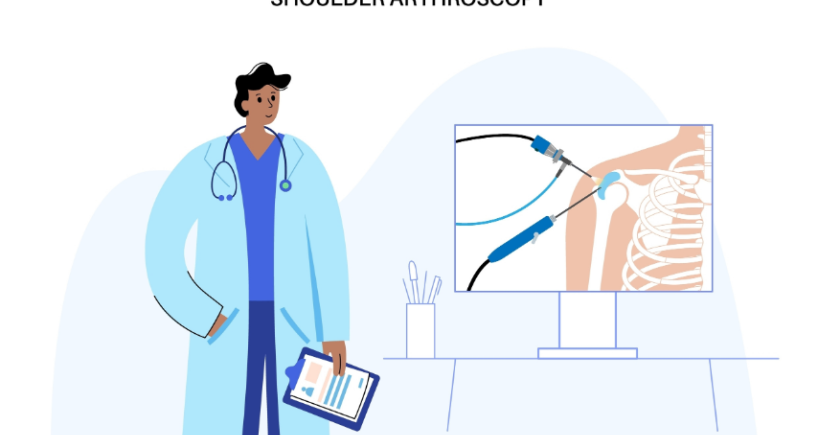
Shoulder arthroscopy is a type of minimally invasive surgery. Instead of making a large cut, the surgeon makes very small incisions around the shoulder. Through these incisions, they insert a tiny camera called an arthroscope. This camera shows a clear view of the inside of your shoulder on a screen. Using thin instruments, the surgeon can repair torn tendons, smooth rough bone surfaces, remove inflamed tissue, or fix cartilage tears. It’s like keyhole surgery for the shoulder.
How Is Shoulder Arthroscopy Performed?
The procedure is usually done under anesthesia. Once you’re asleep, the surgeon makes small incisions, inserts the arthroscope to see inside the joint, and uses thin instruments to repair or remove damaged tissue. Most arthroscopies take one to two hours. In many cases, you can go home the same day.
The Benefits of Shoulder Arthroscopy
Compared to traditional open surgery, arthroscopy has clear advantages: smaller cuts, less visible scarring, less pain, lower risk of infection, faster return to everyday activities, and better visualization for the surgeon to diagnose and treat issues precisely.
The Risks and Limitations
Even though it’s less invasive, arthroscopy is still surgery. Risks include infection at the incision site, stiffness, blood clots, nerve or blood vessel injury, and incomplete pain relief. Not all conditions can be treated with arthroscopy. Severe arthritis, for example, may require a shoulder replacement instead.
Recovery: What to Expect After Arthroscopy
Recovery depends on what was repaired. For minor procedures, you may return to daily activities in a few weeks. For complex repairs, like a rotator cuff reconstruction, recovery can take six months or longer. First few weeks: your arm may be in a sling. Weeks 3–6: gentle physiotherapy begins. Months 2–4: strengthening exercises start. Months 4–6: gradual return to sports or heavy work.
Physiotherapy and Rehabilitation
Physiotherapy is one of the most important parts of recovery. Without it, even a perfectly done surgery may not succeed. A physical therapist will guide you through exercises that improve flexibility, strengthen shoulder muscles, and gradually restore full range of motion. Sticking to the rehab plan is critical for long-term success.
Is Shoulder Arthroscopy Right for You?
Doctors don’t rush to recommend arthroscopy. First, they try conservative treatments like rest, physiotherapy, medications, and steroid injections. Arthroscopy may be the right choice if pain persists despite months of treatment, if you have a torn rotator cuff or labrum, if your shoulder frequently dislocates, or if arthritis or impingement severely limits your life.
Life After Arthroscopy: What Patients Say
Many patients report significant improvement after recovery. Pain decreases, strength returns, and they can go back to activities they had given up. However, expectations should be realistic. Arthroscopy doesn’t make your shoulder new again, especially if arthritis is involved. It does, however, help improve function and reduce pain in most cases.
The Bigger Picture: Preventing Shoulder Problems
Even if you undergo arthroscopy, protecting your shoulders is important to prevent future problems. This includes warming up before sports, avoiding repetitive overhead motions, maintaining good posture, and doing strengthening exercises for the rotator cuff and shoulder stabilizers.
Conclusion
Shoulder pain doesn’t have to control your life. If you’ve been struggling with pain that won’t go away, schedule an appointment with an orthopedic specialist. They can help you determine whether conservative treatments or shoulder arthroscopy is the right solution. Early treatment often leads to better outcomes.
Categories
Clear allMeet the doctor
}}drupal-data/images/doctor_female.jpg)
- Orthopaedics | Orthopaedics | Orthopaedics and Joint Replacement | Orthopaedics and Spine Surgery
-
 23 Years
-
 800
Related Blogs
View all





FAQs

Keep track of your appointments, get updates & more!

