



Silent Symptoms of Heart Disease You Might Miss
Heart disease is often called a "silent killer" because many early signs of heart disease go unnoticed until serious complications develop. Understanding silent heart disease symptoms is critical for early detection and prevention. Recognizing hidden heart problems helps you seek timely intervention before major cardiac events occur. This guide explores subtle symptoms that shouldn't be ignored.
Understanding silent heart disease symptoms Development
silent heart disease symptoms often develop gradually with minimal noticeable warning signs, making them particularly dangerous. Many individuals experience silent heart disease symptoms without realizing that their cardiovascular health may already be compromised. Recognizing early signs of heart disease and identifying hidden heart problems is essential for preventing serious complications.
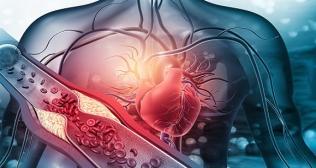
Coronary artery disease frequently develops over many years. As arteries slowly narrow, the body may adapt to reduced blood flow, causing symptoms to remain subtle or absent until the blockage becomes severe. This gradual progression is one reason why routine cardiovascular screening is so important. Regular health checkups can often identify risk factors and abnormalities before a major cardiac event occurs.
Subtle Warning Signs of early signs of heart disease
Many of the earliest symptoms of heart disease can easily be mistaken for stress, aging, or minor health concerns.
Common silent heart disease symptoms include:
- Unusual or persistent fatigue
- Shortness of breath during routine activities
- Mild chest discomfort or pressure
- Jaw pain without a dental cause
- Pain in the shoulders, neck, or arms
- Dizziness or lightheadedness
- Indigestion-like discomfort
- Reduced exercise tolerance
- Unexplained weakness
These early signs of heart disease are often overlooked because they do not always present as dramatic chest pain. Some people simply notice that everyday activities become more exhausting than usual.
Recognizing these subtle changes and discussing them with a healthcare professional can help identify cardiovascular problems before they become life-threatening.
Gender Differences in early signs of heart disease Presentation
Men and women may experience heart disease differently, which can sometimes delay diagnosis.
Women often report:
- Persistent fatigue
- Nausea
- Shortness of breath
- Sleep disturbances
- Unusual sweating
- Upper back or jaw discomfort
In many cases, women do not experience the classic crushing chest pain commonly associated with heart attacks.
Men are more likely to experience:
- Chest tightness or pressure
- Pain radiating into the arm or shoulder
- Shortness of breath during exertion
- Exercise-related chest discomfort
Because symptoms can vary significantly, understanding these differences can help improve awareness and encourage earlier medical evaluation.
Prevention and Early Detection of hidden heart problems
Preventing cardiovascular disease begins with identifying risk factors and detecting problems early.
Important preventive measures include:
- Routine blood pressure monitoring
- Regular cholesterol screening
- Diabetes screening when appropriate
- Maintaining a healthy weight
- Regular physical activity
- Smoking cessation
- Managing stress effectively
- Following a heart-healthy diet
Healthcare providers may recommend additional tests such as:
- Electrocardiograms (EKG)
- Echocardiograms
- Stress tests
- Coronary calcium scoring
- Advanced cardiac imaging when necessary
Early identification of hidden heart problems allows treatment to begin before significant heart damage occurs.
Why Regular Cardiac Screening Matters
Many cardiovascular conditions develop silently for years before symptoms become obvious. Individuals with risk factors such as hypertension, diabetes, obesity, smoking history, high cholesterol, or a family history of heart disease should be particularly proactive about screening.
Regular evaluations can help identify:
- Coronary artery disease
- Irregular heart rhythms
- High blood pressure
- Structural heart abnormalities
- Early signs of heart failure
The earlier these conditions are detected, the more treatment options are available to reduce complications and improve long-term outcomes.
Conclusion
Never assume persistent fatigue, breathlessness, or unexplained discomfort is simply part of aging. silent heart disease symptoms can be subtle, but they may signal significant cardiovascular concerns. Recognizing early signs of heart disease and addressing hidden heart problems promptly can help prevent serious cardiac events and improve long-term heart health.
Frequently Asked Questions
Q1: What are early signs of heart disease in women?
A: Common symptoms include fatigue, nausea, shortness of breath, unusual sweating, sleep disturbances, and discomfort in the jaw, neck, or upper back.
Q2: How often should I get my heart health checked?
A: Healthy adults should generally have routine checkups every 1–2 years, while those with risk factors may require more frequent monitoring.
Q3: Can silent heart disease progress without symptoms?
A: Yes. Many forms of coronary artery disease develop gradually and may not cause noticeable symptoms until the condition becomes advanced.
Q4: When should I seek urgent medical evaluation?
A: Seek immediate medical attention for chest pain, severe shortness of breath, sudden dizziness, fainting, or symptoms suggestive of a heart attack.
Q5: What tests help detect hidden heart problems?
A: Common diagnostic tools include EKGs, stress tests, echocardiograms, coronary CT scans, cholesterol testing, and other cardiovascular assessments.
Categories
Clear allMeet the doctor

- Cardiac Sciences | Interventional Cardiology | Non-Invasive Cardiology
-
 22 Years
-
 1200
1200
Related Blogs
View all



FAQs

Keep track of your appointments, get updates & more!

