
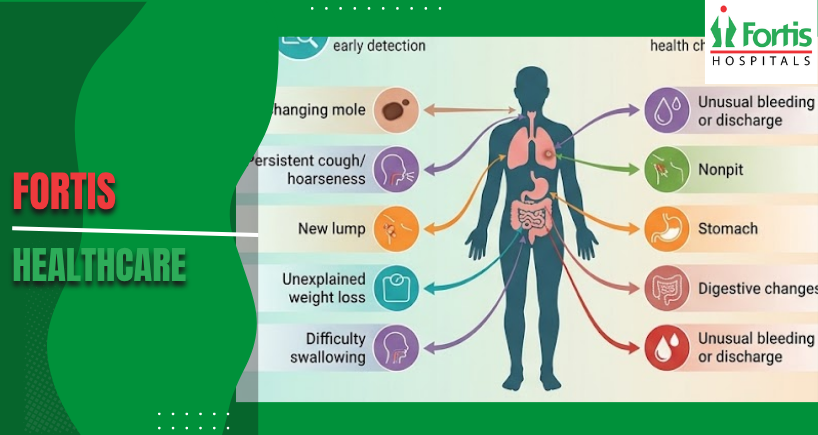


Small Changes in the Body That Could Be Early Signs of Cancer
Many people imagine cancer as a disease that causes sudden, severe symptoms. In reality, several cancers begin quietly and may initially produce only small changes in the body that are easy to overlook.
A persistent cough, unusual tiredness, changes in digestion, unexplained weight loss, or a wound that refuses to heal are often dismissed as stress, infection, ageing, or temporary health issues. Because these warning signs can appear mild in the beginning, people frequently delay medical consultation.
Doctors across India are seeing a growing number of patients who seek help only after symptoms begin interfering significantly with daily life. By then, treatment may become more complicated.
Recognising unusual body changes early does not mean assuming the worst. It simply means paying attention to symptoms that continue for weeks without improvement.
Why Early Cancer Symptoms Are Difficult to Identify
Cancer affects different organs in different ways. In many cases, the body adjusts gradually while abnormal cells continue growing silently.
Unlike infections or injuries, cancer may not always cause immediate pain or dramatic symptoms in the early stages.
Instead, people may experience:
- Mild fatigue
- Digestive discomfort
- Changes in appetite
- Small lumps
- Persistent irritation
- Low stamina
Because these symptoms are common in everyday life, they are often ignored for long periods.
Unexplained Fatigue That Does Not Improve
Feeling tired after a busy day is normal. However, fatigue that continues despite proper rest may sometimes need medical evaluation.
People often describe this as:
- Feeling drained constantly
- Difficulty completing routine activities
- Lack of energy throughout the day
- Physical weakness without clear reason
Persistent exhaustion can occur due to several health conditions, including certain cancers.
Sudden Weight Loss Without Trying
Unexpected weight loss without exercise or dietary changes should never be ignored.
While weight fluctuation can happen for many reasons, unexplained weight reduction may occasionally be linked to underlying disease affecting metabolism, digestion, or appetite.
Some individuals also notice:
- Reduced hunger
- Feeling full quickly
- Ongoing weakness alongside weight loss
A Cough That Refuses to Go Away
Most coughs improve within a few days or weeks. A cough that continues for a prolonged period deserves attention, especially if accompanied by:
- Chest discomfort
- Breathlessness
- Voice changes
- Blood in sputum
People living in polluted cities often assume persistent cough is pollution-related, which may delay diagnosis.
Unusual Bleeding
Unexpected bleeding from any part of the body should always be medically assessed.
This may include:
- Blood in stool
- Blood in urine
- Bleeding between menstrual cycles
- Coughing blood
- Bleeding gums without obvious reason
Although non-cancerous conditions may also cause bleeding, persistent symptoms should never be ignored.
Lumps or Swelling in the Body
A painless lump is one of the warning signs many people overlook because it does not immediately interfere with daily life.
Lumps may appear in:
- Breast tissue
- Neck
- Underarms
- Groin
- Testicles
Not every swelling is cancerous, but unexplained lumps should always be examined by a doctor.
Sores or Ulcers That Do Not Heal
Mouth ulcers, skin wounds, or sores that continue for several weeks without healing may require evaluation.
This becomes particularly important in people who:
- Smoke
- Consume tobacco
- Have long-term sun exposure
- Experience repeated irritation in the mouth
Persistent oral ulcers are especially important to investigate in India due to high oral cancer rates linked to tobacco use.
Changes in Bowel or Bladder Habits
Long-term changes involving digestion or urination may sometimes signal underlying disease.
Possible warning signs include:
- Persistent constipation
- Chronic diarrhea
- Blood in stool
- Frequent urination
- Difficulty passing urine
- Changes in stool shape
People often delay consultation because these symptoms can resemble routine gastric or urinary issues.
Difficulty Swallowing
Trouble swallowing food or persistent throat discomfort should not be ignored, particularly if symptoms worsen gradually.
Some people notice:
- Food getting stuck
- Pain while swallowing
- Ongoing throat irritation
- Voice changes
These symptoms may require evaluation by a specialist.
Skin Changes
The skin can sometimes reflect internal health changes.
Possible warning signs include:
- New moles
- Changes in mole color or shape
- Thickened patches
- Persistent itching
- Darkened skin areas
- Non-healing skin lesions
Any noticeable skin change that persists should be medically examined.
Why Cancer Cases Are Increasing in India
Several lifestyle and environmental factors are contributing to rising cancer cases.
Tobacco Use
Smoking and chewing tobacco remain major causes of:
- Oral cancer
- Lung cancer
- Throat cancer
Obesity and Inactive Lifestyles
Poor metabolic health may increase the risk of multiple cancers.
Air Pollution
Long-term exposure to polluted air is increasingly being linked to respiratory disease and lung cancer risk.
Delayed Health Screening
Many people avoid regular check-ups or delay testing because symptoms initially appear mild.
Family History and Genetics
Certain individuals may have inherited cancer susceptibility.
Why Early Detection Can Save Lives
Early-stage cancer is often easier to treat than advanced disease.
Timely diagnosis may:
- Improve treatment success
- Reduce complications
- Lower treatment intensity
- Improve quality of life
- Increase survival rates
This is why persistent symptoms should not be ignored simply because they seem minor initially.
How Doctors Investigate Cancer Symptoms
Evaluation depends on the symptoms and body area involved.
Doctors may recommend:
- Blood tests
- Ultrasound
- CT scans
- MRI scans
- Mammography
- Endoscopy
- Biopsy procedures
Modern cancer diagnosis increasingly relies on advanced imaging and precision testing.
At Fortis Hospital Delhi, oncology specialists use multidisciplinary cancer evaluation, advanced diagnostics, and personalised treatment planning to support early and accurate diagnosis.
Can Cancer Risk Be Reduced?
While not every cancer is preventable, healthier lifestyle habits can reduce overall risk.
Avoid Tobacco Completely
Tobacco remains one of the biggest preventable cancer risk factors.
Maintain Healthy Weight
Balanced nutrition and regular activity support long-term health.
Prioritise Regular Check-Ups
Routine screening helps identify disease earlier.
Stay Physically Active
Exercise supports metabolism and overall body function.
Pay Attention to Persistent Symptoms
Body changes that continue for weeks deserve medical attention.
Conclusion
Cancer does not always begin with severe symptoms. In many cases, the body gives subtle warning signs long before the disease becomes advanced. Persistent fatigue, unexplained weight loss, non-healing sores, unusual bleeding, or ongoing cough should never be ignored simply because they appear mild initially.
Awareness and timely medical evaluation remain some of the most important tools in improving cancer outcomes. Paying attention to unusual changes in the body can help support earlier diagnosis and more effective treatment.
If you are experiencing persistent symptoms or unexplained health changes, consulting an oncology specialist at Fortis Healthcare can help ensure timely evaluation and appropriate care.
Categories
Clear allMeet the doctor

- Oncology | Medical Oncology
-
 15 Years
-
 1500
1500
 Available at 1 different locations

Related Blogs
View all









FAQs
Are early cancer symptoms always painful?
No. Many cancers develop silently and may not cause pain initially.
Can unexplained fatigue be a warning sign?
Persistent fatigue without clear reason should be medically evaluated if it continues for long periods.
Should every lump be checked?
Yes. Not every lump is dangerous, but unexplained swelling should always be examined.
How long should a persistent cough be ignored?
A cough lasting several weeks should be assessed, especially if associated with chest discomfort or breathlessness.

Keep track of your appointments, get updates & more!

