
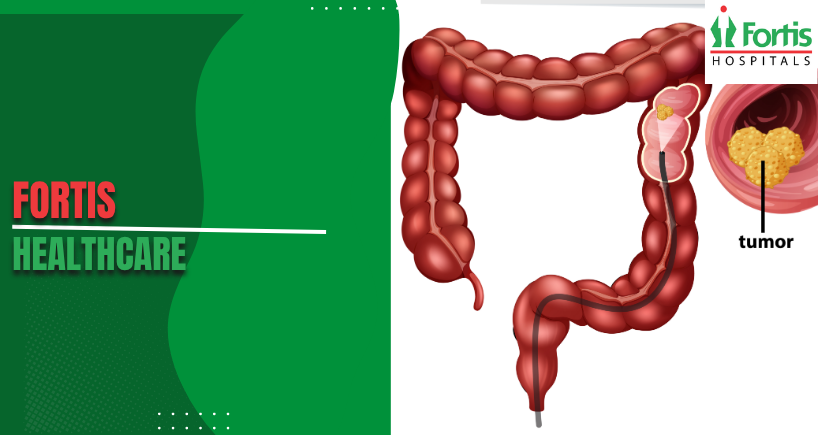


Stage III Rectal Adenocarcinoma with Prostate Involvement: Treatment Approach
A 41-year-old man was diagnosed with locally advanced rectal adenocarcinoma (Stage III) involving part of the prostate gland, with disease confined to the pelvis. After completing neoadjuvant chemoradiation, he was planned for definitive surgery. Given that the tumor extended close to the anal sphincter, an abdominoperineal resection was required. Traditionally, such cases involve removal of the rectum along with the urinary bladder and prostate; however, the surgical team opted for a robotic rectal excision with partial prostatectomy, aiming to preserve the urinary bladder and part of the prostate with the urethra. Using the Da Vinci Xi robotic system, the multidisciplinary team performed precise dissection in the deep pelvis with enhanced visualization and dexterity. The procedure achieved complete tumor removal with negative margins while avoiding the morbidity of radical organ removal. The patient recovered well and was discharged in stable condition, demonstrating the advantages of robotic surgery and collaborative multidisciplinary care in managing complex rectal cancers.
CASE DETAILS:
A 41 year old young man was diagnosed to have rectal adenocarcinoma involving part of the prostate gland, with disease limited to the pelvis, a stage 3 disease. After completion of neoadjuvant chemoradiation, he was planned for surgery. Since the disease was extending till the anal sphincter, he needed an abdominoperineal resection of rectum. An en bloc partial prostatectomy was planned for the patient with the intent of preserving the urinary bladder and part of the prostate gland with urethra. Robotic method was chosen for the surgery as performing partial prostatectomy in a deep and narrow pelvis while focussing on a reliable tumour margin is technically demanding. In conventional open and laparoscopic surgeries, approaching the anterior rectal wall in deep pelvis is difficult. Robotic surgery can provide a clear field of view and facilitate meticulous operations even in the deep pelvis. The surgery was done by collaboration between urology team led by Dr Mohan Keshavmurthy and surgical oncologist Dr Sarat Chandra Pingali on a Da Vinci Xi robotic system at Fortis hospital, Bannerghatta road, Bengaluru. The patient recovered uneventfully after the surgery and was discharged well. The final histopathology revealed a negative cut margin status suggesting an oncologic adequacy of the surgery.
CONCLUSION:
This case highlights the following facts:
1] Robotic rectal excision with partial prostatectomy, preserving the urinary bladder and part of the prostate gland with urethra, is a feasible procedure with oncologic adequacy and safety.
2] Robotic method of surgery offers better chances of safely and effectively doing rectal excision with partial prostatectomy, due to the magnified field of view, 3D viewing, and the dexterity of the surgical arms in the robotic system.
3] Collaborative practice with multidisciplinary teams enhances the outcomes for the patient.
Dr Mohan Keshavmurthy
Chairman- Urology Speciality Council
Fortis Hospitals, India
Dr Sarat Chandra Pingali
Additional Director- Surgical Oncology
Dr Shruthi
Consultant – Surgical Oncology
Dept of Surgical Oncology
Fortis Hospital
Bannerghatta Road
Categories
Clear allMeet the doctor

- Oncology | Surgical Oncology
-
 Years
Years
-
 1400
1400
Related Blogs
View all









FAQs

Keep track of your appointments, get updates & more!

