
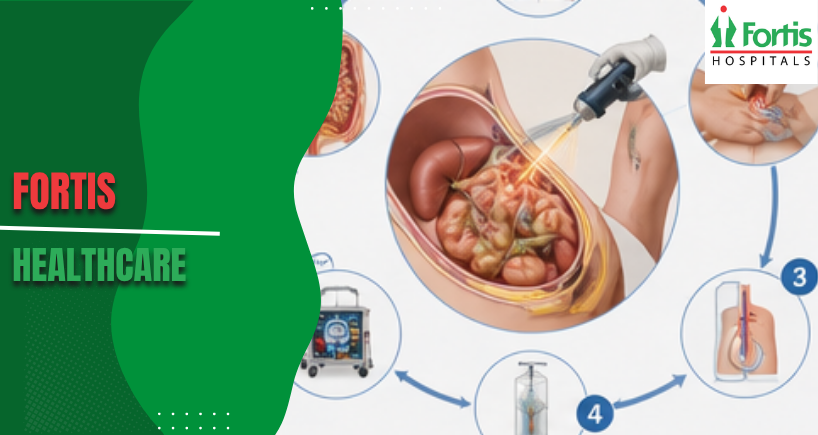


Step by Step HIPEC Surgery Procedure Explained for Patients with Peritoneal Carcinomatosis
Cancer spreading to the peritoneal lining creates unique treatment challenges because traditional chemotherapy struggles reaching these surfaces effectively. Peritoneal carcinomatosis occurs when tumours from colon, appendix, ovarian, or gastric cancers disseminate throughout the abdominal cavity. Patients face limited options when standard treatments fail to control this advanced disease pattern.
Combined cytoreductive surgery with heated intraperitoneal chemotherapy offers hope for selected individuals with peritoneal spread. Understanding the HIPEC surgery procedure helps patients prepare mentally and physically for this complex intervention. This guide walks through each treatment phase from initial evaluation through recovery completion.
Preoperative Assessment Phase
Comprehensive imaging using CT scans with oral and intravenous contrast maps disease extent throughout the abdomen. Radiologists measure peritoneal cancer index scores quantifying tumour burden across different regions. Higher scores indicate more extensive disease that may exceed surgical removal capabilities.
Blood tests assess organ function, nutritional status, and tumour marker levels establishing baseline measurements. Cardiac stress testing and pulmonary function studies ensure patients can tolerate lengthy operations lasting six to twelve hours. Nutritional optimisation through supplements or feeding tubes occurs when significant weight loss or low protein levels exist.
Prehabilitation ahead of major cytoreductive surgery improves resilience to the physiological stress of HIPEC. Structured programmes combine breathing exercises, progressive aerobic training, and resistance work to boost cardiorespiratory reserve and preserve muscle mass. Correcting anaemia, improving protein status, and stopping tobacco use at least several weeks preop reduces pulmonary and wound complications. These measures shorten intensive care stays and create a stronger baseline for early mobilisation after surgery.
Understanding Cytoreductive Surgery Goals
Surgeons remove all visible tumour deposits from peritoneal surfaces, bowel, liver capsule, diaphragm, and pelvic structures. This process may require removing portions of colon, small intestine, spleen, gallbladder, or reproductive organs depending on disease location. Complete cytoreduction means no tumour nodules exceed 2.5 millimetres remain after resection completion.
Achieving complete cytoreduction predicts better outcomes than leaving larger residual disease. Operations involving extensive resections carry higher complication risks but offer survival advantages when complete removal proves possible. The Best Hospital In India provides specialised surgical oncology teams experienced in complex cytoreductive procedures requiring advanced technical skills.
Decisions about proceeding with extensive cytoreduction plus HIPEC rest on multidisciplinary review rather than a single consultation. Surgical oncology, medical oncology, radiology, pathology, anaesthesia and palliative care discuss resectability, likely benefit, and expected morbidity before recommending an approach. Presenting realistic survival estimates alongside functional expectations helps patients weigh trade offs. Documented shared decision making ensures that chosen treatment aligns with the patient’s values and longer term life plans.
Heated Chemotherapy Delivery Method
After completing tumour removal, surgeons close the abdomen temporarily whilst leaving inflow and outflow catheters. Chemotherapy solution heated to 41 to 43 degrees Celsius circulates through the abdominal cavity for 30 to 90 minutes. Heat enhances drug penetration whilst directly damaging cancer cells.
Continuous perfusion maintains consistent temperature and drug concentration throughout treatment duration. Some centres use closed-abdomen techniques whilst others prefer open approaches allowing direct visualisation. Drugs commonly used include mitomycin C, cisplatin, or oxaliplatin depending on primary tumour type.
Physiological Effects During Surgery
Extensive peritoneal stripping and organ resections create large raw surfaces that ooze blood throughout procedures. Anaesthesiologists carefully manage fluid replacement and blood transfusions maintaining haemodynamic stability. Body temperature drops during lengthy operations despite warming measures.
Heated chemotherapy increases core temperature requiring active cooling measures. Cardiovascular stress from temperature fluctuations and fluid shifts demands close monitoring. Experienced anaesthesia teams adjust support based on real-time physiological changes throughout procedures.
Immediate Postoperative Care
Patients transfer to intensive care units for close monitoring during initial 24 to 48 hours. Mechanical ventilation support continues until patients fully awaken and demonstrate adequate breathing. Arterial and central venous catheters track blood pressure and fluid status continuously.
Pain management combines epidural anaesthesia with systemic medications providing adequate comfort whilst minimising opioid side effects. Nasogastric tubes drain stomach contents whilst bowel function recovers. Urinary catheters monitor kidney function through hourly urine output measurements.
Managing Common Complications
Pancreatic fistulas occur in approximately 5 to 10 percent of patients when dissection near the pancreas causes duct injuries. These leaks require drain placement and nutritional support whilst healing occurs over weeks. Anastomotic leaks from bowel reconnections represent serious complications needing prompt surgical repair occasionally.
Infection risks remain high because bacterial contamination during bowel surgery combines with immunosuppression from chemotherapy exposure. Broad-spectrum antibiotics continue for several days postoperatively. Blood clots require preventive measures including compression devices and anticoagulant medications once bleeding risks diminish.
Recovery Timeline Expectations
Intensive care stays typically last two to four days for uncomplicated cases. Hospital discharge occurs approximately seven to fourteen days after surgery depending on complication occurrence. Bowel function returns gradually over five to seven days, allowing oral nutrition advancement.
Drain removal happens sequentially as fluid output decreases and character becomes less concerning. Staple or suture removal occurs around two weeks postoperatively. Full recovery requiring three to six months before energy levels normalise completely.
Recovery extends beyond hospital discharge and benefits from coordinated outpatient rehabilitation. Physiotherapy programmes focus on graded endurance training, core strengthening and breathing exercises to rebuild stamina safely. Wound and stoma care education, nutritional follow up and psychosocial support reduce readmissions and speed return to daily activities. Survivorship clinics coordinate surveillance imaging, symptom management and referrals so patients resume work and family life with continual specialist oversight.
Nutritional Support During Recovery
Early enteral feeding within 24 hours stimulates gut function whilst providing nutrition supporting healing. Total parenteral nutrition through central lines becomes necessary when oral intake remains inadequate after several days. Protein requirements increase substantially because wound healing and immune function need amino acid building blocks.
Vitamin and mineral supplementation addresses deficiencies common in cancer patients. Small frequent meals work better than large portions when appetite remains poor. Dietitians monitor intake and adjust support strategies based on individual tolerance and recovery progression.
Cost Factors and Financial Planning
HIPEC surgery cost in India varies substantially based on disease extent, operative duration, and complication occurrence. Typical expenses range from eight to fifteen lakhs including surgery, hospitalisation, and immediate postoperative care. Complications extending hospital stays increase costs considerably.
HIPEC surgery cost in India includes surgical team fees, anaesthesia charges, operating room time, chemotherapy drugs, and intensive care expenses. Insurance coverage requires preauthorisation documentation explaining medical necessity. Some centres offer package pricing whilst others bill based on actual services provided.
Long-Term Surveillance Requirements
CT scans monitor for disease recurrence at three-month intervals initially, extending to six-month intervals after two years. Tumour marker blood tests complement imaging studies detecting recurrence before symptoms develop. Physical examinations assess surgical site healing and identify new symptoms requiring investigation.
Some patients develop adhesive bowel obstructions months or years after surgery because extensive peritoneal dissection creates scar tissue. These complications may require additional operations relieving obstructions. Nutritional monitoring continues because malabsorption can develop from extensive bowel resections performed during cytoreductive procedures.
Determining Treatment Success
Five-year survival rates range from 20 to 50 percent depending on primary tumour type, completeness of cytoreduction, and patient selection factors. HIPEC surgery in India provides opportunities for long-term survival in carefully selected patients with peritoneal carcinomatosis. Quality of life often improves dramatically when successful treatment eliminates ascites and bowel obstruction symptoms significantly.
Categories
Clear allRelated Blogs
View all









FAQs

Keep track of your appointments, get updates & more!

