
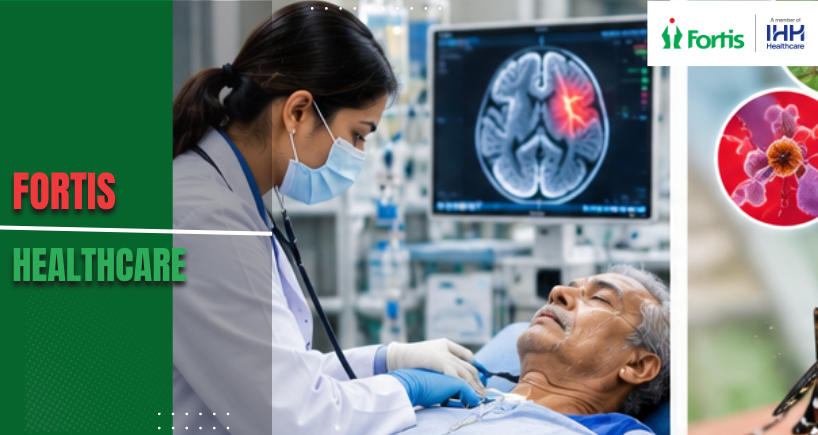


Stroke Care Hospital in Bangalore - What to Look for in Emergency and Recovery Services
When it comes to stroke, every minute matters. Knowing which hospitals in Bangalore offer strong emergency stroke response and comprehensive recovery services, ideally before you need this information urgently, can make a genuine difference in outcomes when a stroke occurs.
This guide explains what quality stroke care actually involves, from emergency response through rehabilitation, helping you understand what to look for and why timely, comprehensive care matters so much.
Being prepared with this knowledge in advance can save precious minutes during an actual emergency, when clear thinking becomes especially difficult.
Why Stroke Care Speed and Quality Matter So Much
Stroke occurs when blood flow to part of the brain is interrupted, either by a blockage (ischemic stroke) or bleeding (hemorrhagic stroke), causing brain cells to begin dying within minutes. This is why stroke care emphasizes the phrase "time is brain," reflecting how quickly treatment needs to begin to minimize lasting damage.
Hospitals with well-organized, rapid stroke response systems can administer clot-dissolving medication or perform mechanical clot removal procedures within critical time windows, significantly improving the chances of meaningful recovery.
Key Features of Strong Emergency Stroke Care
Dedicated Stroke Protocol and Team
Hospitals with a dedicated, well-rehearsed stroke response protocol can rapidly mobilize the necessary imaging, specialists, and treatment resources the moment a suspected stroke patient arrives, minimizing critical delays.
These protocols are often measured in specific time targets, such as how quickly imaging is completed after arrival, reflecting a hospital's genuine commitment to rapid response.
24/7 Advanced Imaging Availability
Rapid access to CT or MRI imaging, available around the clock, is essential for quickly determining stroke type and guiding immediate treatment decisions without unnecessary delay.
Without this rapid imaging capability, even an otherwise well-prepared stroke team can face significant, avoidable treatment delays.
Availability of Clot-Removal Procedures
For certain ischemic strokes, mechanical thrombectomy, a procedure to physically remove the clot, can significantly improve outcomes; hospitals offering this capability provide an important additional treatment option beyond medication alone.
Neurologist and Neurosurgeon Availability
Round-the-clock availability of specialists experienced in acute stroke management ensures that treatment decisions can be made rapidly and appropriately at any hour.
Recognizing Stroke Symptoms Quickly
Being able to recognize stroke symptoms quickly is just as important as knowing which hospital to go to. Common symptoms include sudden facial drooping, arm weakness, and slurred or difficult speech, often remembered through the acronym FAST (Face, Arms, Speech, Time), emphasizing the need to call for emergency help immediately when these signs appear.
Other symptoms can include sudden severe headache, vision changes, dizziness, or loss of balance, particularly when these develop suddenly rather than gradually.
What Comprehensive Stroke Recovery Care Involves
Beyond emergency treatment, quality stroke care includes structured rehabilitation, typically involving physiotherapy, occupational therapy, and speech therapy as needed, tailored to the specific deficits an individual patient experiences.
Rehabilitation often begins remarkably early, sometimes within the first day or two after a stroke, as early mobilization and therapy have been shown to support better long-term recovery outcomes.
Comprehensive stroke centers typically offer this rehabilitation either on-site or through close coordination with dedicated rehabilitation facilities, ensuring continuity of care through this critical recovery phase.
Long-Term Follow-Up and Secondary Prevention
After the initial stroke and recovery period, ongoing care focuses on preventing future strokes by managing underlying risk factors like high blood pressure, diabetes, and high cholesterol, along with appropriate medication like blood thinners when indicated.
A hospital or clinic offering coordinated, ongoing follow-up care, rather than treating stroke as a single isolated event, supports better long-term outcomes and reduces the risk of recurrent stroke.
Preparing Before You Need This Information
Given how time-critical stroke treatment is, it's worth knowing in advance which hospitals near you in Bangalore have strong, comprehensive stroke care capabilities, rather than trying to research this during an actual emergency.
Sharing this information with family members, and discussing stroke warning signs together, ensures everyone in your household is prepared to act quickly and appropriately if a stroke emergency occurs.
Categories
Clear allMeet the doctor

- Neurology | Neurology
-
 20 Years
-
 1200
1200
Related Blogs
View all


FAQs

Keep track of your appointments, get updates & more!

