


Stroke in young adults
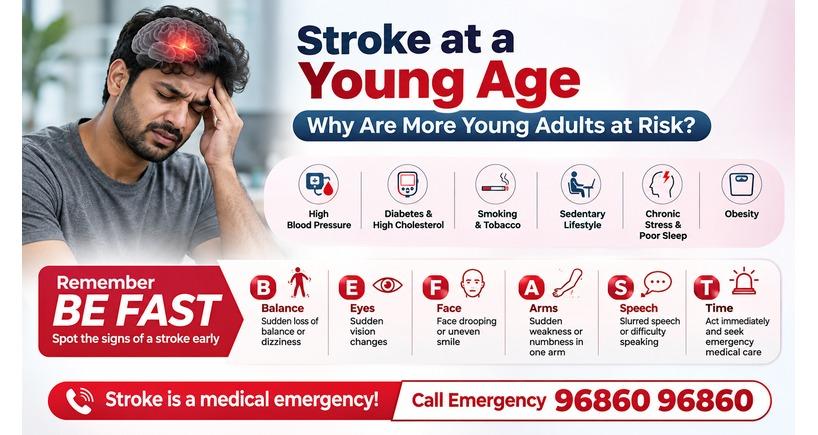
Stroke at a Young Age Why Are More Young Adults at Risk?
Introduction
Stroke is often considered a health condition that primarily affects older adults. However, this perception is changing. An increasing number of young adults are experiencing strokes, sometimes in their 20s, 30s and 40s. What makes this particularly concerning is that many people in this age group may not recognise their risk or identify the early warning signs.
Long working hours, sedentary lifestyles, unhealthy eating habits, chronic stress, smoking and underlying medical conditions can contribute to an increased risk of stroke at a younger age.
A stroke is a medical emergency that occurs when the blood supply to a part of the brain is interrupted or when a blood vessel in the brain ruptures. Without timely treatment, brain cells can begin to die within minutes, potentially leading to long-term disability or even loss of life.
Understanding why strokes occur in younger adults, recognising the symptoms and taking preventive measures can make a significant difference.
Why Are More Young Adults Experiencing Strokes?
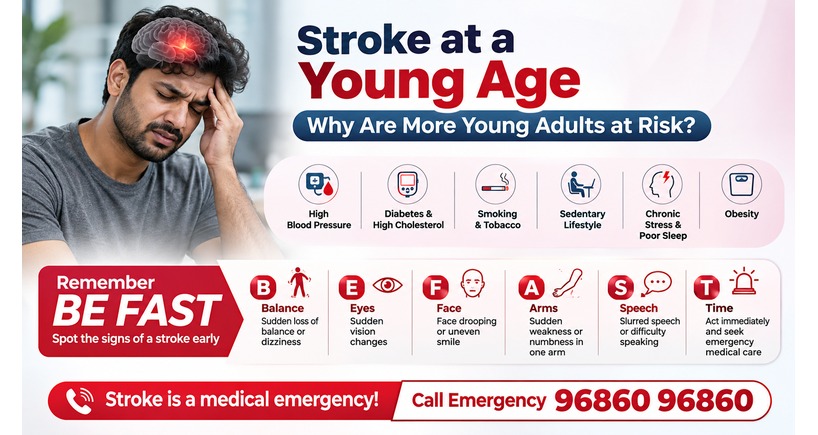
Several lifestyle-related and medical factors can increase the likelihood of stroke among younger individuals.
1. High Blood Pressure
High blood pressure is one of the leading risk factors for stroke. Often called a silent condition, hypertension may not produce noticeable symptoms for years. Uncontrolled blood pressure can damage blood vessels and increase the risk of both blocked and bleeding strokes.
Young adults who rarely monitor their blood pressure may remain unaware of this risk.
2. Diabetes and High Cholesterol
Diabetes can damage blood vessels over time, while elevated cholesterol levels can contribute to plaque formation in arteries. These changes can restrict blood flow and increase the likelihood of blood clots, potentially leading to a stroke.
Early screening and appropriate management are important, even among younger adults.
3. Smoking and Tobacco Consumption
Smoking damages blood vessels, promotes inflammation and increases the tendency of blood to clot. Both smoking and tobacco consumption can significantly increase cardiovascular and stroke risks.
Quitting tobacco is one of the most important steps towards protecting long-term brain and heart health.
4. Sedentary Lifestyle and Obesity
Spending prolonged hours sitting at work, limited physical activity and unhealthy dietary patterns can contribute to obesity, hypertension, diabetes and high cholesterol.
These interconnected risk factors can gradually increase the chances of developing a stroke at a younger age.
5. Chronic Stress and Poor Sleep
Continuous stress, inadequate sleep and irregular daily routines can negatively affect overall cardiovascular health. They may also contribute to high blood pressure and unhealthy lifestyle habits.
Managing stress, maintaining consistent sleep patterns and staying physically active can support better long-term health.
6. Alcohol Consumption and Recreational Drug Use
Excessive alcohol consumption and the use of certain recreational drugs, particularly stimulants such as cocaine and amphetamines, can increase stroke risk. They may cause sudden increases in blood pressure, blood vessel narrowing or other complications affecting blood circulation to the brain.
7. Underlying Medical Conditions
Not all strokes in young adults are related to lifestyle. Certain medical conditions can also increase the risk, including:
- Blood-clotting disorders.
- Certain heart conditions, including structural abnormalities.
- Artery dissections, involving tears in the blood vessel walls.
- Certain autoimmune and inflammatory conditions.
- Specific vascular abnormalities, such as aneurysms and arteriovenous malformations.
Identifying the underlying cause is important for choosing the appropriate treatment and preventing another stroke.
What Are the Warning Signs of Stroke in Young Adults?
Recognising stroke symptoms early can save lives. A useful way to identify the warning signs is the BE FAST approach.
Remember BE FAST
B - Balance
Sudden loss of balance, dizziness or difficulty walking.
E - Eyes
Sudden blurred vision, double vision or loss of vision.
F - Face
Sudden facial drooping or an uneven smile.
A - Arms
Sudden weakness or numbness in one arm or one side of the body.
S - Speech
Slurred speech, difficulty speaking or trouble understanding others.
T - Time
Seek emergency medical attention immediately. Note the time symptoms started.
Other possible symptoms include a sudden, unusually severe headache, confusion, difficulty swallowing or sudden loss of coordination.
Important: Stroke symptoms can sometimes disappear within minutes. This may indicate a transient ischaemic attack (TIA), often called a mini-stroke. Even if symptoms resolve, immediate medical evaluation is essential.
Can a Stroke Be Prevented at a Young Age?
While not every stroke can be prevented, managing risk factors and adopting healthier habits can significantly reduce the likelihood of experiencing one.
Here are some important preventive measures:
- Monitor blood pressure: Check your blood pressure regularly and seek medical advice if it is elevated.
- Maintain healthy blood sugar and cholesterol levels: Periodic health check-ups can help identify problems early.
- Stay physically active: Aim for at least 150 minutes of moderate-intensity physical activity every week, if medically appropriate.
- Follow a balanced diet: Include fruits, vegetables, whole grains, nuts and other nutritious foods while limiting excess salt and unhealthy fats.
- Avoid smoking and tobacco: Quitting tobacco can improve blood vessel health and reduce cardiovascular risks.
- Limit alcohol consumption: Avoid excessive drinking and seek help if alcohol use is difficult to control.
- Prioritise sleep and stress management: Maintain regular sleep routines and incorporate relaxation into your daily schedule.
- Do not ignore existing medical conditions: Follow prescribed treatment and attend regular medical reviews.
Individuals with specific risk factors, including heart conditions, clotting disorders or a previous TIA, may require additional evaluation and preventive treatment.
Why Is Early Stroke Treatment Important?
Stroke treatment is highly time-sensitive. The sooner a patient receives appropriate medical attention, the better the opportunity to minimise brain damage and improve recovery.
Depending on the type and cause of stroke, treatment may include:
1. Intravenous Thrombolysis
For eligible patients with an ischaemic stroke, clot-dissolving medication may be administered within an appropriate treatment window to restore blood flow to the brain.
2. Mechanical Thrombectomy
In selected patients with certain large-vessel blockages, doctors may perform an endovascular procedure to physically remove the blood clot and restore circulation.
3. Treatment for Haemorrhagic Stroke
When a stroke occurs due to bleeding in the brain, treatment focuses on controlling bleeding, managing blood pressure, addressing the underlying cause and considering surgery or other procedures when necessary.
4. Rehabilitation and Recovery
After the initial treatment, rehabilitation may involve physiotherapy, occupational therapy and speech and language therapy to help patients regain independence and improve their quality of life.
The appropriate treatment depends on the type of stroke, the patient's condition, imaging findings and the time since symptom onset.
Why Should Young Adults Take Stroke Risk Seriously?
One of the biggest challenges with stroke in younger adults is the assumption that it is an age-related condition. Many people in their 20s, 30s and 40s may dismiss symptoms such as sudden dizziness, weakness, vision disturbances or speech difficulties.
However, stroke does not discriminate by age.
A healthy-looking individual may still have undiagnosed hypertension, diabetes, a heart condition or an underlying blood-clotting disorder. Recognising these risks and seeking timely medical advice can help prevent serious complications.
It is equally important for family members, colleagues and friends to recognise stroke symptoms because a person experiencing a stroke may not be able to seek help independently.
Conclusion
Stroke at a young age is a growing health concern that deserves greater awareness. While lifestyle choices play an important role, underlying medical conditions can also contribute to stroke risk. Early identification, regular health assessments and appropriate medical management are essential for prevention.
Most importantly, never ignore sudden neurological symptoms, regardless of age. Remember BE FAST, act immediately and seek emergency medical care.
At Fortis Hospital, Bannerghatta Road, Bengaluru, timely evaluation and appropriate specialist care are important steps in managing stroke and supporting recovery.
For Emergency: 96860 96860
For Enquiries: 63649 31212
Your age should never be a reason to ignore a stroke warning sign. Recognise the symptoms. Act without delay. Protect your brain health.
Categories
Clear allMeet the doctor

- Neurology | Neurology
-
 20 Years
-
 1200
Related Blogs
View all

FAQs

Keep track of your appointments, get updates & more!

