
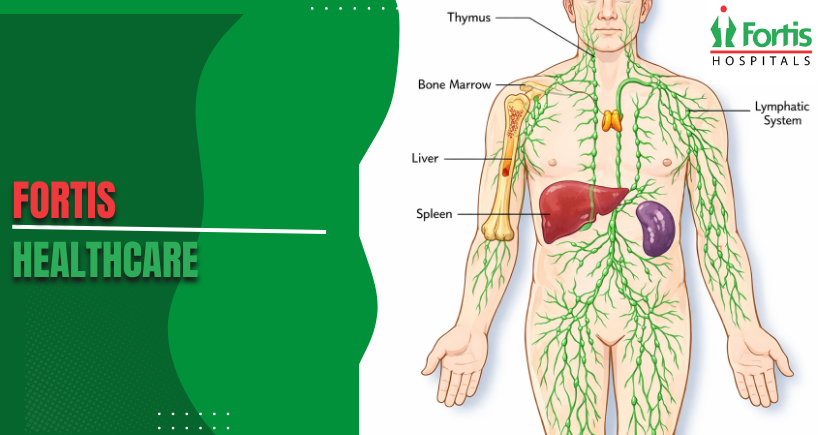


Survival Outlook for Non-Hodgkin Lymphoma: Factors That Truly Matter
When you receive a non-hodgkin lymphoma diagnosis, one question dominates your thinking: What happens next? What are my chances? Will I survive this? The survival data for non-hodgkin's disease is genuinely encouraging, most people with NHL survive years or decades after diagnosis and treatment. But survival varies tremendously based on factors that actually predict outcomes. Understanding which factors matter helps you grasp what your particular situation means and what realistic expectations should be.
Non-hodgkin's disease isn't a single disease with uniform prognosis. Two patients with NHL might have completely different survival outlooks despite identical-sounding diagnoses. The specific types of nhl you have matters far more than the name "lymphoma" alone.
Overall Survival Statistics: The Big Picture
Five-year survival rates for non-hodgkin lymphoma have improved dramatically over the past two decades. Currently, approximately seventy percent of people diagnosed with NHL survive at least five years after diagnosis. Many survive much longer, ten years, twenty years, sometimes as long as their unaffected peers. These statistics have improved as nhl treatment has improved.
However, these overall statistics mask enormous variation. They represent the average of very different outcomes. Someone diagnosed with aggressive NHL at age thirty might have ninety-five percent five-year survival. Someone diagnosed with indolent NHL at age seventy-five might have forty percent five-year survival. Lumping them together as "non-hodgkin's disease" obscures the differences.
The Most Critical Factor: Type of NHL
The specific subtype of non-hodgkin lymphoma you have predicts prognosis more strongly than almost any other factor. Slow-growing indolent types like follicular lymphoma survive longer overall, often multiple decades, but are rarely cured. Aggressive types like diffuse large B-cell NHL are sometimes cured with intensive chemotherapy but without treatment progress quickly.
This seems counterintuitive until you understand the biology. Aggressive non-hodgkin's disease grows rapidly, but that rapid growth makes cancer cells vulnerable to chemotherapy. Indolent NHL grows slowly and develops sophisticated evasion mechanisms over years, making treatment less effective at achieving cure.
Stage at Diagnosis: Geographic Extent
Earlier stages of nhl generally carry better prognosis. Someone with stage one lymphoma limited to a single lymph node region has better five-year survival than someone with stage four involving bone marrow. But again, this varies by specific NHL subtype.
Early stage indolent non-hodgkin's disease might show ninety-five percent ten-year survival. Early stage aggressive NHL might show eighty-five percent five-year survival but higher long-term survival if you achieve durable remission. The stage number alone doesn't tell the complete story.
Age: Your Current Age Matters for Outcomes
Younger patients have better outcomes with non-hodgkin's disease than older patients, even with identical cancer characteristics. Why? Younger people tolerate intensive chemotherapy better. Younger people's organ systems recover faster. Younger people's immune systems rebound faster.
A thirty-year-old and a seventy-year-old with identical-appearing NHL might receive different NHL treatment because of age-related differences in treatment tolerance. The thirty-year-old might receive more intensive chemotherapy achieving higher cure probability. The seventy-year-old might receive gentler regimens balancing cure chances against quality of life.
Age independently predicts survival independent of cancer characteristics. Younger non-hodgkin lymphoma patients survive longer.
Prognostic Scoring Systems: Quantifying Risk
Oncologists use prognostic scoring systems combining multiple factors to estimate non-hodgkin's disease outcomes. The International Prognostic Index for aggressive NHL incorporates age, LDH level (indicating disease aggressiveness), performance status (how well you function), stage, and extranodal involvement.
Based on these factors, patients are classified as low-risk, intermediate-risk, high-intermediate-risk, or high-risk. Five-year survival varies dramatically: low-risk patients have seventy-three percent five-year survival; high-risk patients have twenty-six percent. These scoring systems help oncologists predict what individual patients might expect.
Similar scoring systems exist for indolent NHL, though indolent non-hodgkin's disease prognosis is generally better than aggressive disease despite lower cure rates.
Specific Genetic Mutations: The Emerging Factor
Increasingly, specific genetic mutations in your NHL cells predict prognosis. Some mutations indicate better outcomes; others indicate worse outcomes. This is why molecular profiling of your non-hodgkin's disease has become standard practice.
If your NHL carries mutations associated with better prognosis, this informs both your prognosis and potentially which nhl treatment will work best. If your non-hodgkin lymphoma has mutations predicting treatment resistance, more aggressive upfront treatment might be warranted.
Lactate Dehydrogenase (LDH): A Key Lab Marker
LDH is an enzyme released when cells die rapidly. In non-hodgkin's disease, elevated LDH indicates aggressive disease with rapid cell death. High LDH predicts worse outcomes than normal LDH.
This single blood test helps estimate NHL aggressiveness and guides treatment intensity. Monitoring LDH during and after nhl treatment helps assess whether treatment is working effectively.
Performance Status: How Well You Function
Your functional status at diagnosis, whether you're fully active, limited in strenuous activity, or bedbound, predicts non-hodgkin lymphoma survival. People who feel well and function normally have better outcomes than people significantly limited by illness.
Performance status reflects not just cancer burden but also how well your body is tolerating disease. It predicts how well you'll tolerate treatment and how rapidly your body might recover.
Comorbidities: Other Health Conditions
Other medical conditions you have influence non-hodgkin lymphoma outcomes. Kidney disease, heart disease, lung disease, or diabetes might affect which nhl treatment you can tolerate and how well your body recovers after treatment.
People with multiple medical conditions might have worse outcomes with NHL not because the cancer is worse but because their bodies are less resilient during treatment.
Treatment Response: The Critical Factor
How well your non-hodgkin's disease responds to initial treatment predicts long-term survival better than most baseline factors. Patients achieving complete remission have much better prognosis than those achieving partial response or no response.
This is why interim imaging during NHL treatment, checking whether NHL is shrinking, helps guide ongoing treatment decisions. If disease isn't responding adequately, treatment modifications might improve response.
The Advantage of Modern Treatment
Five-year survival for non-hodgkin lymphoma has improved dramatically compared to decades past. Better nhl treatment options, including targeted therapies and immunotherapy approaches, have improved outcomes. Someone diagnosed with NHL in 2026 has significantly better survival outlook than someone diagnosed in 1996.
This trend will likely continue as understanding of non-hodgkin's disease improves and new treatments emerge.
What This Means for You
Your personal non-hodgkin lymphoma prognosis depends on your specific situation: which types of nhl you have, your age, your stage, your prognostic factors, how your disease responds to treatment. Your oncologist can estimate your individual prognosis based on these factors.
It's important to remember that prognostic statistics describe populations, not individuals. You're not a statistic. You're a unique person with unique biology and unique disease. Some people with "poor prognosis" factors do exceptionally well. Others with "good prognosis" factors do worse than expected. Individual outcomes vary around the statistical averages.
The overall message is encouraging: most people with non-hodgkin's disease survive years or decades after diagnosis and treatment. Many achieve long-term remission. Some achieve a durable cure. Modern NHL treatment offers genuine hope for favorable outcomes in most NHL cases.
Categories
Clear allRelated Blogs
View all






FAQs

Keep track of your appointments, get updates & more!

