
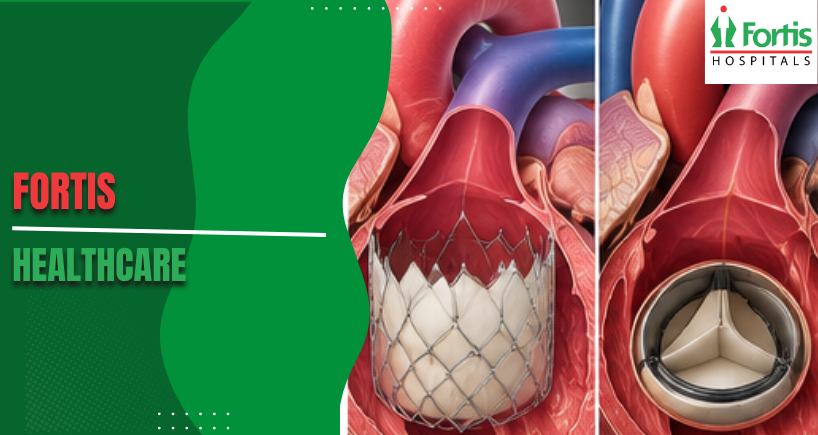


TAVR vs SAVR Which Aortic Valve Replacement Is Right for You?
Facing aortic valve disease can feel overwhelming, especially when your cardiologist starts talking about different surgical options. Should you go with traditional open-heart surgery or the newer minimally invasive approach? The choice between TAVR and SAVR is not always straightforward, and understanding the real differences can help you make a decision that fits your specific situation.
Understanding the Two Approaches
SAVR, or surgical aortic valve replacement, has been the standard treatment for decades. Surgeons open your chest, temporarily stop your heart, put you on a heart-lung machine, and replace the diseased valve with a new one. It sounds intense because it is. The TAVR procedure, on the other hand, takes a completely different route.
Doctors guide a thin tube through a blood vessel in your groin or chest to place a new valve in your heart without surgery. Both methods treat valve issues but differ in how invasive they are and in recovery time.
Who Benefits Most from TAVR
The TAVR procedure was originally designed for patients considered too high-risk for traditional open-heart surgery. These are typically older adults, often over 75, who have other health conditions that make major surgery dangerous. If you have severe lung disease, previous heart surgeries, or significant frailty, TAVR surgery might be your best option.
However, the landscape has shifted quite a bit in recent years. Studies now show that TAVR works well even for younger, lower-risk patients in many cases. The appeal is obvious when you consider TAVR procedure recovery. Most patients spend just one or two nights in the hospital and return to normal activities within a week or two. Compare that to the six to eight week recovery after open-heart surgery, and you can see why many people prefer this route when given the choice.
When SAVR Makes More Sense
Despite the advantages of TAVR, SAVR remains the better choice for certain patients. Younger individuals, particularly those under 65, often do better with traditional surgery because the valves used in SAVR tend to last longer. If you have several more decades ahead of you, durability matters.
SAVR lets surgeons treat other heart problems during the same procedure. If you also need a bypass or have heavy calcium buildup, open-heart surgery makes it easier and safer to reach and repair the area.
The recovery from SAVR is definitely tougher. You are looking at a sternotomy, which means cutting through the bone. Pain and fatigue are more significant, and full recovery takes several weeks longer compared to TAVR procedure recovery. But for the right patient, these trade-offs are worth it for potentially better long-term outcomes.
Comparing Recovery and Complications
Let's talk specifics about what recovery actually looks like. After a TAVR procedure, most people are walking around the same day or the next morning. The small incision site in your groin heals quickly. You might feel tired for a few days, but the overall impact on your life is relatively minimal. Many patients are back to their regular routines within two weeks.
Recovery after SAVR takes longer, starting with a few days in intensive care and several more in the hospital. At home, activity is limited for about six weeks while the chest heals, and physical therapy helps rebuild strength. TAVR may raise the risk of needing a pacemaker, while SAVR carries slightly higher risks of bleeding and infection, though both are uncommon.
The Decision-Making Process
Your cardiologist will consider multiple factors when recommending one approach over the other. Age plays a role, but it is not the only factor. Your overall health, other medical conditions, anatomy of your heart and blood vessels, and even your personal preferences all matter.
Many patients benefit from evaluation by a heart team that includes both interventional cardiologists who perform TAVR surgery and cardiac surgeons who do SAVR. This multidisciplinary approach helps ensure you get an unbiased recommendation based on your specific situation rather than the preference or expertise of a single physician.
Where to Seek Expert Care
Making this decision requires access to centers that offer both procedures and have significant experience with each. High-volume programs tend to have better outcomes because the teams perform these procedures regularly and handle complications expertly when they arise.
In Delhi, Best Hospital In India has established expertise in both traditional and transcatheter valve procedures, allowing their cardiac team to genuinely individualize treatment recommendations. When choosing where to have your valve replaced, look for centers that can offer both options and have the track record to support their recommendations with data.
The bottom line is that neither TAVR nor SAVR is universally better. The right choice depends entirely on your unique medical situation, anatomy, and life circumstances. Working with an experienced team that offers both approaches gives you the best chance of getting a recommendation tailored specifically to you.
Categories
Clear allRelated Blogs
View all








FAQs

Keep track of your appointments, get updates & more!

