
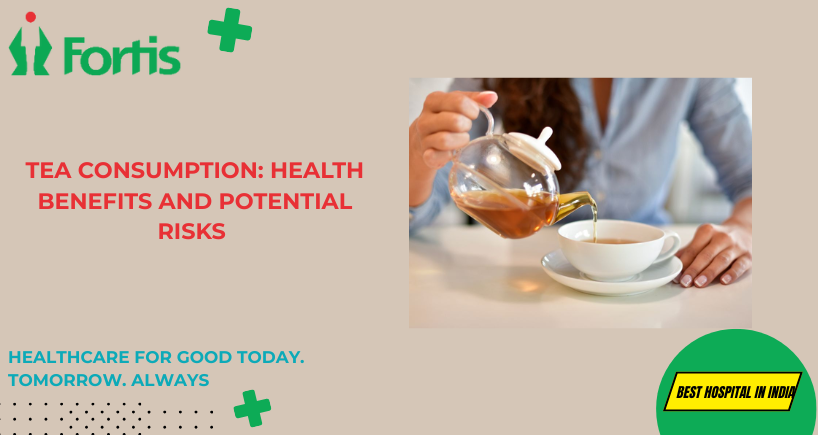


Tea Consumption: Health Benefits and Potential Risks
Few beverages hold such a universal and time-honored place in cultures around the world as tea. From the elaborate tea ceremonies of Japan to the comforting ritual of Indian chai or a simple afternoon cuppa in Britain, tea is woven into the fabric of daily life for billions. Beyond its cultural significance and comforting warmth, a persistent question echoes: is tea good for health?
The messages can be confusing. One day you hear about powerful antioxidants and health benefits of tea, the next you worry about caffeine or potential downsides. Is drinking tea is good or bad? Like most things in nutrition, the answer is not a simple yes or no. The health effects of tea depend greatly on the type of tea you drink, how you prepare it, and how much you consume. This guide aims to provide a balanced perspective, exploring both the advantages and potential drawbacks.
The Potential Health Benefits of Tea
Much of the excitement surrounding the health advantages of tea centers on the compounds found naturally in the tea leaf (Camellia sinensis), the plant from which black, green, white, and oolong teas are derived. These leaves are rich in a group of powerful antioxidants called flavonoids, particularly catechins.
Antioxidants are like cellular bodyguards. They help protect your body's cells from damage caused by unstable molecules called free radicals, which can contribute to aging and chronic diseases. The specific concentration of these beneficial compounds varies depending on how the tea leaves are processed.
Hydration: At its most basic level, unsweetened tea is an excellent way to contribute to your daily fluid intake. Staying properly hydrated is crucial for nearly every bodily function.
Heart Health: Several large population studies suggest that regular consumption of green and black tea may be associated with a lower risk of heart disease and stroke. The flavonoids in tea are thought to improve blood vessel function and may help lower LDL ("bad") cholesterol levels.
Improved Focus and Alertness: Tea naturally contains caffeine, a well-known stimulant that can enhance alertness and concentration. However, tea also contains an amino acid called L-theanine, which promotes relaxation without drowsiness. This unique combination is thought to create a state of calm alertness, different from the sometimes jittery effects of coffee.
Potential Protective Effects: Emerging research continues to explore other potential benefits, including links between tea consumption and a lower risk of certain cancers, improved gut health, and better blood sugar control. However, more research is needed to confirm these effects definitively.
It is important to remember that most of these benefits are associated with drinking plain, unsweetened tea derived from the Camellia sinensis plant. Herbal teas (like peppermint or chamomile), while potentially having their own benefits, do not typically contain the same flavonoid profile.
Potential Risks and Downsides of Tea Consumption
While often touted for its benefits, it is also important to consider the question, is tea bad for health under certain circumstances? Like any substance, excessive or mindful consumption is key.
Caffeine Content: This is the most obvious concern for many. While tea generally contains less caffeine than coffee, it can still be significant, especially in black and oolong teas. Excessive caffeine intake can lead to:
Sleep disturbances or insomnia
Increased anxiety, nervousness, or jitters
Rapid heartbeat
Digestive upset
Headaches
Dependency
Staining of Teeth: The tannins in black tea, in particular, can stain tooth enamel over time. Practicing good dental hygiene can help mitigate this.
Reduced Iron Absorption: Tea contains compounds called tannins that can bind to iron, particularly non-heme iron found in plant-based foods (like beans and spinach). This can potentially reduce the amount of iron your body absorbs from a meal. If you have iron deficiency anemia, it is often advised to drink tea between meals rather than with them.
Added Sugars and Calories: This is perhaps the biggest pitfall. While plain tea itself is virtually calorie-free, many people add significant amounts of sugar, honey, syrups, or milk. A sweet iced tea or a milky chai latte can quickly turn a healthy beverage into a high-calorie, high-sugar drink, negating many of the potential benefits.
Understanding the Calories in Tea
This brings us to a crucial point often overlooked: the calories in tea. Plain, brewed black, green, white, or oolong tea contains virtually zero calories. It is essentially flavored water. The calories come entirely from what you add to it.
Sugar: One teaspoon of sugar adds about 16 calories.
Honey: One teaspoon of honey adds about 21 calories.
Whole Milk: A quarter cup (about 60ml) adds around 35-40 calories.
Cream: Adds significantly more calories and fat.
Syrups/Flavorings: Flavored syrups used in specialty tea drinks can add substantial amounts of sugar and calories.
If weight management is a concern, being mindful of these additions is critical. Opting for unsweetened tea or using minimal amounts of sweetener and low-fat milk is the best approach.
So, Is Tea Good or Bad? The Verdict
The answer to the question "tea is good for health or not?" is largely positive, with important caveats. Plain, unsweetened tea, particularly green and black tea, offers numerous potential health benefits due to its antioxidant content and hydration properties. It can be a valuable part of a healthy lifestyle.
However, moderation is key, especially regarding caffeine intake. The most significant factor that can turn tea good or bad is what you add to it. Loading your cup with sugar and cream transforms it from a potentially health-promoting beverage into a source of empty calories.
A Mindful Approach to Your Daily Cup
Tea has been enjoyed for millennia for its flavor, warmth, and potential wellness benefits. By choosing high-quality teas, preparing them simply, and being mindful of your caffeine intake, you can confidently enjoy this ancient beverage as part of a balanced and healthy life.
Listen to your body. If you find caffeine makes you anxious or disrupts your sleep, opt for lower-caffeine green or white teas, or choose naturally caffeine-free herbal infusions. Enjoy your tea, but do so wisely.
Frequently Asked Questions
Q1. Which type of tea is the healthiest?
Ans. Green tea often gets the most attention due to its high concentration of a specific catechin called EGCG. However, black, white, and oolong teas also offer significant amounts of beneficial flavonoids. The "healthiest" tea is likely the one you enjoy plain and will drink consistently as part of a balanced diet.
Q2. How much tea is too much?
Ans. For most healthy adults, consuming up to 3-4 cups (around 710-950 ml) of caffeinated tea per day is generally considered safe. However, individual sensitivity to caffeine varies greatly. Pay attention to how it affects your sleep and anxiety levels.
Q3. Does adding milk to tea reduce its benefits?
Ans. Some research suggests that proteins in milk may bind to the flavonoids in tea, potentially reducing their antioxidant capacity slightly. However, the overall impact is likely small, and the benefits of drinking tea, even with a splash of milk, probably outweigh this minor interaction for most people. The bigger concern is the added calories if using large amounts of milk or cream.
Q4. Are herbal teas considered "tea" and do they have the same benefits?
Ans. Technically, herbal teas (like peppermint, chamomile, ginger) are infusions or tisanes, as they are not made from the Camellia sinensis plant. They do not contain the same flavonoids as true teas and are usually caffeine-free. They may offer their own unique health benefits based on the specific plant used (e.g., chamomile for relaxation).
Categories
Clear allRelated Blogs
View all
When Is A Liver Transplant Recommended?

Alcoholic Liver Disease - Why Worry?

Binge Drinking Trend Is The New Silent Killer



Irritable Bowel Syndrome

Digestive Disorders And Prevention


Quick Enquiry Form

Keep track of your appointments, get updates & more!

