
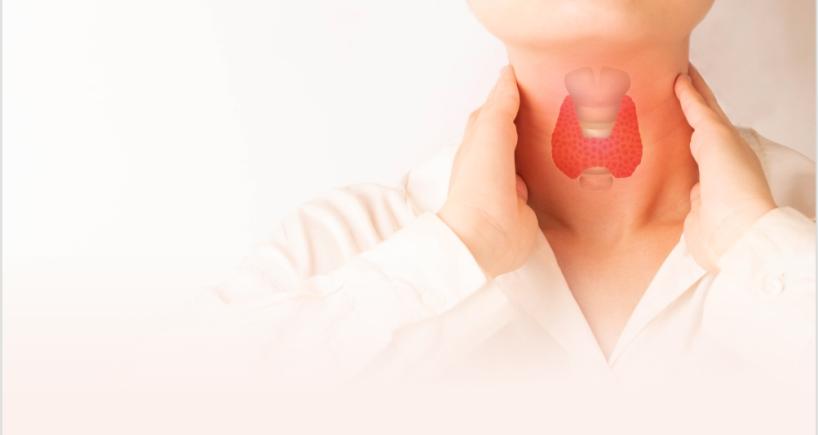


Thyroid Disorders: Causes, Symptoms, and Treatment Options
The thyroid gland, a small butterfly-shaped organ located at the base of the neck, plays a vital role in controlling various metabolic processes in the body. Despite its small size, it significantly affects heart rate, body weight, temperature regulation, and energy levels.
Thyroid disorders are common, especially among women, and range from benign conditions like goiters to serious diseases such as thyroid cancer. If you experience symptoms suggesting hormonal imbalance, consulting an experienced surgeon in Noida can help with proper diagnosis and treatment planning.
Types of Thyroid Disorders
1. Hypothyroidism
This condition occurs when the thyroid gland produces insufficient hormones.
Causes include:
- Hashimoto’s thyroiditis
- Iodine deficiency
Medication side effects
Symptoms:
- Fatigue, weight gain, sensitivity to cold
Constipation, dry skin, slow heart rate
Treatment:
- Synthetic hormone replacement (levothyroxine)
- Regular monitoring and surgical consultation if necessary
2. Hyperthyroidism
Characterized by excessive production of thyroid hormones, often due to Graves’ disease.
Symptoms:
- Rapid heartbeat, weight loss, excessive sweating
Anxiety, irritability, sleep disturbances
Treatment options:
- Antithyroid medications
- Radioactive iodine therapy
- Surgery, available at leading hospitals
3. Goiter
An enlargement of the thyroid gland caused by iodine deficiency, nodules, or autoimmune diseases.
Large goiters may cause swallowing or breathing difficulties and sometimes require surgical removal.
4. Thyroid Nodules
Lumps within the thyroid gland that can be solid or filled with fluid. Most are benign, but some may be cancerous.
Diagnostic tests include:
- Ultrasound
- Thyroid scans
- Fine needle aspiration biopsy
Surgical evaluation may be recommended by an expert surgeon in Noida.
5. Thyroid Cancer
Although rare, thyroid cancer can affect people of any age. Early detection leads to better outcomes.
Treatment options include:
- Partial or total thyroidectomy
- Radioactive iodine therapy
- Hormone replacement after surgery
Such treatments are typically offered at top hospitals providing multidisciplinary care.
Diagnosis and Management
Diagnosis involves:
- Physical examination
- Blood tests measuring TSH, T3, and T4 levels
- Imaging like ultrasound or nuclear scans
- Biopsy for suspicious nodules
Treatment depends on the specific condition:
- Hypothyroidism: Hormone replacement therapy
- Hyperthyroidism: Medications, radioactive iodine, or surgery
- Nodules or cancer: Often require surgical assessment by specialized surgeons
Living with Thyroid Disorders
With appropriate treatment, thyroid conditions are manageable. Helpful lifestyle tips include:
- Maintaining a thyroid-friendly diet
- Managing stress and ensuring adequate rest
- Engaging in regular exercise to combat fatigue
- Attending follow-up appointments at leading hospitals, especially if surgery was performed
Certain foods such as soy, gluten, or cruciferous vegetables may interfere with thyroid medication and should be avoided if advised by your doctor.
Prevention and Monitoring
While not all thyroid conditions can be prevented, early detection through regular check-ups is vital. Those who should monitor thyroid health closely include:
- Women over 35 years of age
- Pregnant women
- Individuals with a family history of thyroid problems
Timely screenings and expert surgical advice can help prevent complications.
Conclusion
Thyroid disorders can be effectively managed with prompt diagnosis and appropriate treatment. From hormone therapy to surgical intervention, modern medicine allows many patients to lead active and healthy lives. Consulting with the best surgeons and receiving care at top hospitals in Noida ensures you get the highest quality treatment for any thyroid-related issue.
Categories
Clear allMeet the doctor
- General Surgery | General and Minimal Access Surgery | Bariatric Surgery | General and Laparoscopic Surgery | Robotic Surgery
-
 20 Years
-
 1500
1500
Related Blogs
View all
Single Incision Laparoscopic Surgery (SILS) for Hernia Repair
Understanding Gallbladder Stones: Causes, Symptoms, and Treatment Options
Understanding Hernia - Causes, Symptoms, and Treatment Options
Gallstone Complications: When to Seek Medical Attention
Common Myths and Misconceptions About Bariatric Surgery
Understanding Appendicitis: Causes, Symptoms, Risk Factors & Treatment
Understanding Varicose Veins: Causes, Symptoms, Risk Factors & Treatment Options


Keep track of your appointments, get updates & more!

