
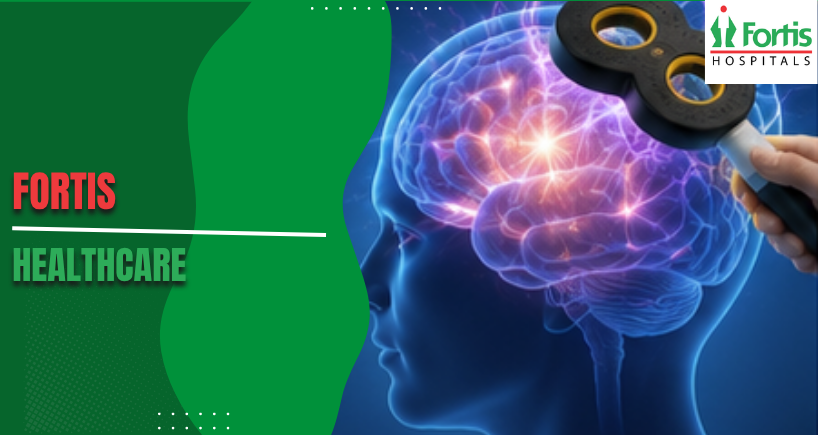


TMS For Migraine Prevention How Brain Stimulation Reduces Attack Frequency
Migraine is not just a headache. For many people, it is a recurring neurological event that interrupts work, family life, and even simple daily routines. Attacks can arrive with little warning, linger for hours or days, and leave behind a lingering sense of exhaustion that is hard to explain to others.
Preventive treatment has always been challenging. Medications help some patients, but side effects, partial relief, or loss of effectiveness over time are common concerns. In this space, non drug approaches have gained attention. One such option is transcranial magnetic stimulation, which approaches migraine prevention by gently influencing brain activity rather than altering chemistry throughout the body.
Understanding Migraine As A Brain Disorder
Migraine is best understood as a disorder of brain excitability. Certain regions of the brain become overly sensitive, responding too strongly to internal or external triggers. This sensitivity affects pain pathways, sensory processing, and blood vessel signaling.
During a migraine attack, abnormal electrical activity spreads across the brain cortex. This process, often referred to as cortical spreading depression, is linked to aura symptoms and the cascade of pain that follows. Even between attacks, the migraine brain tends to remain more reactive than usual.
Preventive treatments aim to reduce this baseline excitability. Instead of stopping pain once it begins, the goal is to make attacks less frequent, less intense, or both. TMS fits into this preventive framework.
What Transcranial Magnetic Stimulation Involves
Transcranial magnetic stimulation uses focused magnetic pulses to stimulate specific areas of the brain. A coil placed against the scalp delivers short magnetic fields that induce small electrical currents in underlying neurons.
The procedure does not involve surgery, sedation, or implanted devices. Sessions are usually performed in an outpatient setting. Patients remain awake, and most describe the sensation as tapping or clicking on the scalp.
In migraine care, stimulation targets brain regions involved in pain processing and sensory integration. By modulating how these neurons fire, TMS aims to stabilize abnormal activity patterns linked to migraine onset.
Why Brain Stimulation Can Influence Migraine
Neurons communicate through electrical signals. In migraine, these signals can become poorly regulated. Some brain networks fire too easily, while inhibitory mechanisms fail to calm them down.
TMS influences neuronal firing thresholds. Depending on how it is applied, it can either increase or decrease activity in targeted areas. For migraine prevention, protocols are designed to reduce hyperexcitability rather than provoke stimulation.
Over repeated sessions, these changes can persist beyond the treatment itself. This is where preventive benefit becomes possible. The brain gradually shifts toward more stable signaling patterns, which may reduce the likelihood of an attack starting.
How TMS Differs From Medication Based Prevention
Preventive migraine medications act broadly. They affect neurotransmitters, blood vessels, or hormonal pathways throughout the body. While effective for some, they can cause side effects such as weight change, fatigue, mood shifts, or cognitive dulling.
TMS treatment works locally. Its effects are confined to targeted brain regions. This localized approach is one reason side effects tend to be mild and limited to the scalp or head.
Another difference lies in adherence. Daily medications require long term consistency. Missed doses can reduce effectiveness. TMS follows a structured schedule, which some patients find easier to maintain, especially when medication tolerance has been an issue.
Evidence Supporting TMS In Migraine Prevention
Clinical studies have shown that TMS can reduce migraine frequency in selected patients, particularly those with migraine with aura. Repeated stimulation appears to interrupt the electrical patterns that precede attacks.
Patients often report fewer monthly migraine days and reduced reliance on rescue medications. For some, attack severity also decreases, making remaining episodes more manageable.
It is important to note that results vary. TMS does not eliminate migraine for everyone. However, in practice, it can be helpful for patients who have not responded well to standard preventive options.
Treatment Process And Session Experience
A typical TMS course for migraine involves multiple sessions over several weeks. Each session lasts around twenty to forty minutes, depending on the protocol used.
During treatment, patients sit comfortably while the coil is positioned against the head. The magnetic pulses produce a clicking sound and a mild tapping sensation. Discomfort is usually minimal and tends to decrease as sessions progress.
After treatment, most patients resume normal activities immediately. There is no recovery period, which makes scheduling easier for working individuals.
Safety Considerations And Side Effects
TMS is generally well tolerated. The most common side effects include scalp discomfort, mild headache, or temporary fatigue. These effects are usually short lived.
Serious complications are rare when proper screening is done. Patients with certain implanted devices, metal in the head, or a history of seizures may not be suitable candidates.
A thorough evaluation by a trained clinician is essential. This ensures that stimulation parameters are appropriate and risks are minimized.
Overlap With Other Neurological Conditions
TMS is perhaps best known for its role in tms for depression, where it has been used for many years. This experience has contributed to safety data and protocol refinement.
The overlap between migraine and mood disorders is well recognized. Many patients experience both conditions. In such cases, TMS may offer dual benefits, although treatment targets and protocols may differ.
This broader neurological application highlights that TMS is not a niche therapy. It reflects a growing interest in neuromodulation as a way to address complex brain disorders.
Who May Benefit Most From TMS
TMS is typically considered for patients with frequent migraines who have not achieved adequate control with medications. It may also appeal to those who cannot tolerate preventive drugs due to side effects.
Patients with migraine with aura have shown particularly encouraging responses in some studies. However, individuals without aura may also benefit.
Expectation management matters. TMS is not an emergency treatment for acute attacks. Its role is preventive, aiming for gradual improvement over time.
Combining TMS With Other Preventive Strategies
TMS works best as part of a comprehensive migraine plan. Lifestyle factors such as sleep regularity, hydration, and trigger management remain important.
Some patients continue preventive medications alongside TMS, at least initially. Over time, medication doses may be adjusted depending on response.
This integrated approach reflects how migraine is managed in real clinical settings. Rarely does one intervention address every aspect of the condition.
Long Term Outcomes And Follow Up
Preventive benefits from TMS can persist for months after a treatment course. Some patients require maintenance sessions if migraine frequency begins to rise again.
Regular follow up helps determine whether repeat treatment is needed and how protocols should be adjusted. Tracking migraine days and severity provides useful guidance.
Long term safety data continue to grow, informed by extensive use in other neurological and psychiatric conditions.
Addressing Common Patient Concerns
Many patients worry about the idea of brain stimulation. Concerns about safety or personality changes are common. In practice, TMS does not alter identity, cognition, or memory.
The magnetic fields used are carefully controlled and far weaker than those used in imaging techniques like MRI. The goal is modulation, not disruption. Clear explanations and realistic expectations help patients feel more comfortable with the process.
A Measured Option In Migraine Prevention
TMS offers a different way of thinking about migraine prevention. Rather than suppressing symptoms through systemic medication, it aims to recalibrate the brain networks involved in attacks.
For the right patient, this approach can reduce attack frequency and improve quality of life. It is not a universal solution, but it expands the range of options available. As understanding of migraine biology deepens, treatments like TMS reflect a shift toward targeted, brain based care. For many patients, that shift feels long overdue.
Categories
Clear allRelated Blogs
View all
Are We Under Or Over Diagnosing Psychological Issues In Children

Healthy Coping Strategies To Adopt When You Are Overwhelmed By Your Workload

Dealing With Relationships: A Guide For Young People

Asking For Help - Things To Share And Consider When Seeking Help


How Psychological Safety Looks Like At A Workplace

How To Create A Workplace That Motivates Employees To Do Their Best

How To Make A Smooth Transition To A New Job


FAQs

Keep track of your appointments, get updates & more!

