


TMS Therapy for Depression: How Magnetic Pulses Rewire the Brain
Depression is a relentless storm. For many, finding a way out feels impossible, especially when medication after medication fails to lift the fog. It is frustrating and exhausting to feel like you have tried everything, yet nothing has worked. But there is a therapy that offers hope when others haven't.
Transcranial magnetic stimulation, or TMS, is a non-invasive treatment that uses magnetic pulses to wake up the parts of the brain that have gone quiet in depression. It is not just about managing symptoms; it is about helping the brain rewire itself for better health.
Why Medication Sometimes Falls Short
Antidepressants work by changing the levels of chemicals in the brain, like serotonin. While this helps many people, it is a broad approach. The medication circulates through your entire body, which is why side effects like weight gain or nausea are common.
TMS treatment is different. It is highly targeted. It focuses directly on the specific circuits in the brain that regulate mood. In depression, these circuits—often in the prefrontal cortex—are underactive. They are like a car engine that is sputtering and stalling. TMS provides the "jump start" needed to get them running smoothly again.
How the Magnetic Pulses Work
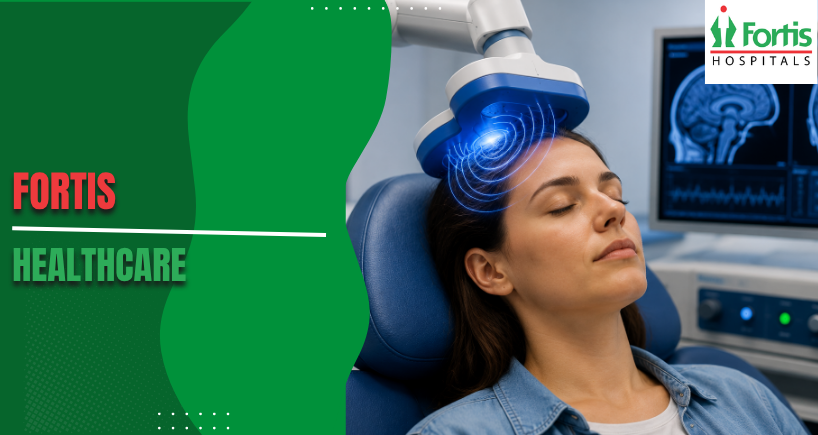
The science behind tms for depression is fascinating but simple in principle. You sit in a comfortable chair while a small electromagnetic coil is placed against your scalp.
This coil generates brief magnetic pulses. These are very similar to the strength of an MRI scan. These pulses pass easily through the skull and stimulate the nerve cells in the targeted area of the brain. This stimulation causes the neurons to fire and release neurotransmitters. Over repeated sessions, this activity strengthens the connections between neurons—a process called neuroplasticity. Essentially, the brain is relearning how to regulate mood effectively.
What a Typical Session Feels Like
One of the biggest advantages of TMS treatment is how easy it is to fit into your life. It is an outpatient procedure, meaning there is no hospital stay.
- No Anesthesia: You are fully awake and alert the entire time. You can chat with the technician or listen to music.
- The Sensation: You will hear a clicking sound and feel a tapping sensation on your scalp. It might feel a bit like a woodpecker tapping lightly. Most people get used to it very quickly.
- Zero Downtime: As soon as the session is over, you can drive yourself home or go straight back to work. There is no recovery time needed.
A standard course usually involves daily sessions, five times a week, for about 4 to 6 weeks. Each session lasts roughly 20 to 40 minutes.
Is TMS Safe?
Safety is a huge plus for TMS. Unlike older treatments like electroconvulsive therapy (ECT), TMS does not cause seizures or memory loss. It also avoids the systemic side effects of antidepressants. The most common side effect is mild scalp discomfort or a headache during the first week, which usually goes away as your body adjusts. It is generally very well-tolerated.
Who Should Consider TMS?
TMS is FDA-approved specifically for people with "treatment-resistant depression." This means you have tried talk therapy and at least one or two antidepressants without significant improvement. It is also a great option if you cannot tolerate the side effects of medication. However, it is not for everyone. People with non-removable metal in their heads (like aneurysm clips) or a history of seizures are typically not candidates.
Finding Advanced Mental Health Care
Accessing this advanced therapy requires a center with specialized equipment and expertise. The Department of Mental Health and Behavioural Sciences , is a leader in providing TMS treatment. Their team of psychiatrists and psychologists works together to ensure that TMS is part of a comprehensive, personalized plan for your recovery.
A New Path Forward
Depression can make you feel like your brain is working against you. Transcranial magnetic stimulation offers a way to change that. By directly stimulating the brain's mood centers, it provides a powerful, scientifically proven path to relief.
If medication hasn't given you the results you need, it might be time to ask about TMS. It could be the key to lifting the weight of depression and reclaiming your life.
Categories
Clear allRelated Blogs
View all
Are We Under Or Over Diagnosing Psychological Issues In Children

Healthy Coping Strategies To Adopt When You Are Overwhelmed By Your Workload

Dealing With Relationships: A Guide For Young People

Asking For Help - Things To Share And Consider When Seeking Help


How Psychological Safety Looks Like At A Workplace

How To Create A Workplace That Motivates Employees To Do Their Best

How To Make A Smooth Transition To A New Job


FAQs

Keep track of your appointments, get updates & more!

