
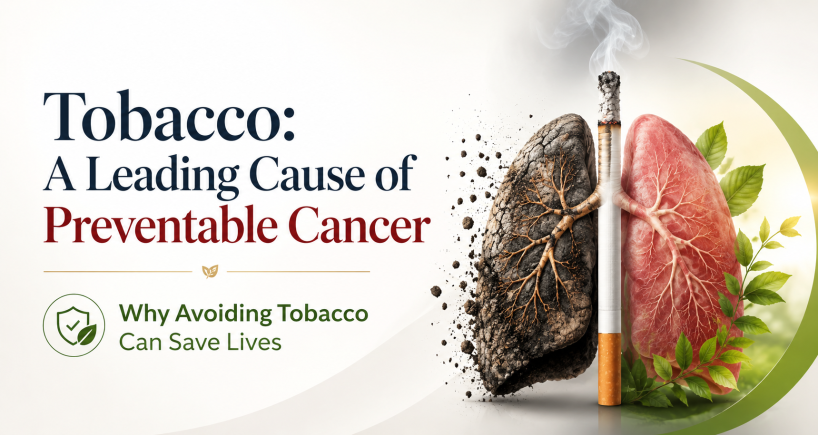


Tobacco: A Leading Cause of Preventable Cancer
Despite significant advances in cancer prevention and treatment, tobacco remains one of the leading causes of preventable cancer worldwide. Every year, millions of people are diagnosed with cancers directly linked to tobacco use, making tobacco control one of the most effective ways to reduce the global cancer burden.
As oncologists and healthcare professionals continue to emphasize, there is no safe form of tobacco. Whether it is smoked, chewed, or inhaled through electronic devices, tobacco exposes the body to harmful chemicals that damage healthy cells and significantly increase the risk of developing cancer.
Understanding the Different Forms of Tobacco
Many people mistakenly believe that certain tobacco products are safer than others. In reality, all forms of tobacco carry serious health risks, including:
- Cigarettes
- Bidis
- Cigars
- Hookah
- Smokeless tobacco
- Gutka
- Khaini
- Vaping and e-cigarette products
Each of these products contains substances that can damage DNA, trigger abnormal cell growth, and contribute to cancer development over time.
Cancers Linked to Tobacco Use
Tobacco use is a major risk factor for several types of cancer, including:
Oral Cancer
One of the most common cancers associated with tobacco use, particularly among users of smokeless tobacco products.
Lung Cancer
Smoking remains the leading cause of lung cancer worldwide, accounting for the majority of cases.
Throat and Voice Box Cancer
Tobacco smoke irritates and damages the tissues of the throat and larynx, increasing cancer risk.
Esophageal Cancer
Long-term tobacco exposure can significantly increase the likelihood of developing cancer of the esophagus.
The Particular Risk of Smokeless Tobacco
Smokeless tobacco products such as gutka, khaini, and chewing tobacco are often underestimated in terms of their health impact. These products are strongly associated with cancers affecting the:
- Mouth
- Tongue
- Gums
- Inner cheeks
Regular use can also lead to precancerous lesions, which may develop silently without obvious symptoms. If left untreated, these lesions can progress into invasive cancer. This is why regular oral examinations and early detection play a crucial role in preventing serious disease.
The Hidden Danger of Second-Hand Smoke
The harmful effects of tobacco are not limited to users alone. Second-hand smoke, also known as passive smoking, poses a significant health threat to family members, coworkers, and others exposed to tobacco smoke.
Children and older adults are particularly vulnerable. Continuous exposure can damage the lungs, increase the risk of respiratory illnesses, and contribute to cancer development even in non-smokers.
Quitting Tobacco Reduces Cancer Risk
The good news is that the body begins to heal almost immediately after tobacco use stops. Over time, the risk of developing several tobacco-related cancers gradually decreases.
Regardless of age or duration of tobacco use, quitting can provide substantial health benefits. It is never too late to take the first step toward a healthier life.
Steps Toward Cancer Prevention
To reduce the risk of tobacco-related cancers:
- Avoid tobacco in all forms.
- Schedule regular oral and health screenings.
- Maintain a healthy lifestyle and balanced diet.
- Seek professional support for tobacco cessation.
- Educate family and friends about the dangers of tobacco use.
- Encourage tobacco-free homes and workplaces.
- A Commitment to a Tobacco-Free Future
On World No Tobacco Day, we are reminded that prevention is one of the most powerful tools in the fight against cancer. By choosing a tobacco-free life and encouraging others to do the same, we can protect our health, reduce cancer risk, and help create healthier communities.
Every step away from tobacco is a step toward a longer, healthier future. The choice you make today can protect countless lives tomorrow.
Categories
Clear allMeet the doctor

- Oncology | Medical Oncology
-
 12 Years
-
 1500
1500
 Available at 1 different locations

Related Blogs
View all








FAQs

Keep track of your appointments, get updates & more!

