
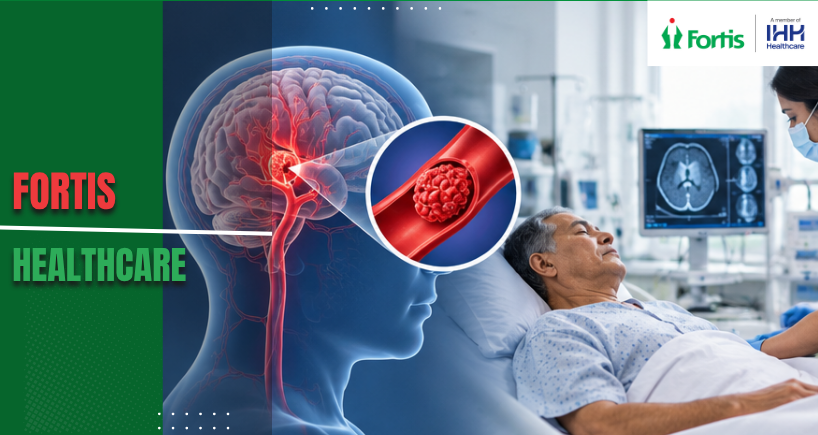


Treating a Blood Clot in the Brain -Treatment Options Recovery and When to Seek Help
When a blood clot blocks blood flow in the brain, treatment is a race against time. The sooner blood flow is restored, the more brain tissue can potentially be saved. Understanding the treatment options and what recovery looks like can help families make informed decisions during a stressful moment.
Treatment depends on the type of clot, where it is, how long symptoms have been present, and the patient's overall health. Your treating team will decide which approach is suitable.
Emergency Treatment: The First Hours
Clot-Dissolving Medication (Thrombolysis)
For eligible patients with an ischaemic stroke, doctors may give clot-dissolving medicine through a vein. This works best when given within a limited time window after symptoms begin, which is why reaching hospital quickly matters. Not every patient is eligible, so a specialist assessment and brain imaging come first.
Mechanical Thrombectomy
For clots in large brain arteries, a specialist may remove the clot using a catheter threaded through blood vessels. In selected patients, this may be considered even beyond the early window, based on advanced imaging. It is performed only at centres with the right expertise.
Treatment for Clots in the Brain's Veins
Cerebral venous thrombosis, a clot in the veins that drain blood from the brain, is usually treated with blood-thinning medication. Doctors may also treat complications such as seizures or raised pressure inside the skull. Dosing and duration are decided individually by the treating specialist.
Medication to Prevent Further Clots
After the emergency phase, doctors often prescribe medicines to reduce the risk of another clot. These may include antiplatelet drugs, anticoagulants, and medicines to control blood pressure, cholesterol, and diabetes. Never start, stop, or change these medicines without consulting your doctor.
Finding the Cause
Doctors investigate why the clot formed. Tests may include:
- CT or MRI scans of the brain and blood vessels
- Heart tests such as ECG and echocardiogram
- Blood tests for clotting disorders, sugar, and cholesterol
- Carotid artery ultrasound
Identifying the cause helps tailor prevention and lowers the chance of recurrence.
Rehabilitation and Recovery
Recovery varies widely from person to person. Many patients benefit from a rehabilitation team that may include:
- Physiotherapy to rebuild strength, balance, and movement
- Occupational therapy to relearn daily tasks
- Speech therapy for speech, language, and swallowing difficulties
- Psychological support for low mood, anxiety, or memory concerns
Recovery often continues over weeks to months, and sometimes longer. Starting rehabilitation early, once the doctor considers it safe, tends to support better function.
Lifestyle Changes That Support Recovery
- Take prescribed medicines regularly
- Keep blood pressure, sugar, and cholesterol in the range your doctor recommends
- Quit smoking and limit alcohol
- Follow a balanced, low-salt diet
- Stay as active as your care team advises
When to Seek Help Urgently
Call emergency services if you or a loved one experiences new weakness, speech difficulty, vision loss, severe headache, seizures, or sudden confusion, even after a previous stroke. Recurrence risk is highest in the early period, so follow-up visits matter.
Caring for a Family Member
Caregivers play a major role in recovery. Learn about the medicines, attend follow-up appointments, and ask the care team about home safety, fall prevention, and rehabilitation exercises. Caregivers should also look after their own health and seek support when needed.
Conclusion
Treating a blood clot in the brain involves rapid emergency care, identifying the cause, preventing recurrence, and structured rehabilitation. Quick action in the first hours can make a major difference. If you suspect a stroke, go to the nearest hospital with emergency stroke services without delay.
Categories
Clear allRelated Blogs
View all


FAQs

Keep track of your appointments, get updates & more!

