


Treating Hemorrhoids with Sclerotherapy A Non Surgical Option
Hemorrhoids are one of those conditions nobody wants to discuss, but millions deal with them daily. The discomfort, itching, and bleeding can seriously impact your quality of life. If surgery feels overwhelming or you want to explore less invasive options first, sclerotherapy might be exactly what you need.
What Sclerotherapy Does for Hemorrhoids
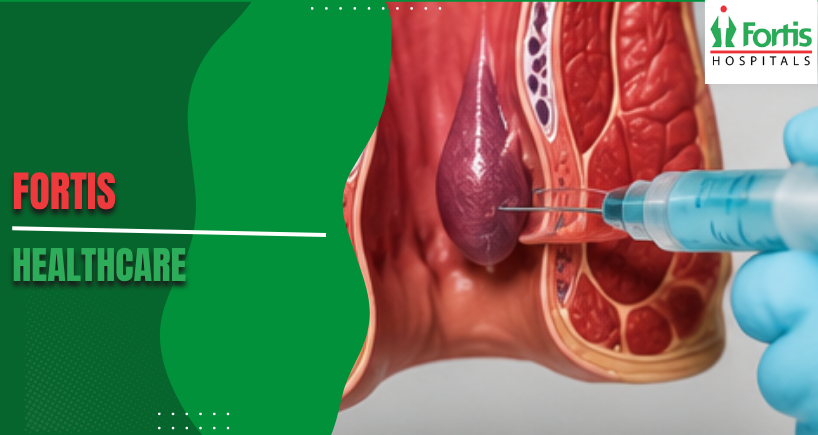
Sclerotherapy works by injecting a chemical solution directly into hemorrhoid tissue. This solution irritates blood vessel walls, causing them to collapse and shrink. Over following weeks, the treated hemorrhoid gradually reduces as scar tissue forms. Blood flow decreases, stopping bleeding and reducing swelling.
The procedure targets internal hemorrhoids specifically, the ones inside your rectum that cause bleeding but often cannot be felt. External hemorrhoids around the anal opening usually need different approaches. Understanding which type you have helps determine if sclerotherapy makes sense.
How the Procedure Works
During a sclerotherapy session, you lie in a position allowing the sclerotherapy doctor to access the area comfortably. The doctor uses an anoscope to visualize internal hemorrhoids. Once identified, a small needle injects solution directly into hemorrhoid tissue above sensation level, so injection itself is not painful.
The entire process takes about 10 to 15 minutes. You might feel pressure or fullness during injection, but significant pain is uncommon. If you have multiple hemorrhoids, doctors can treat several in one session. Treating too many at once increases discomfort though, so sometimes treatment gets staged over visits.
Most people walk out right after and continue their day. No anesthesia required, no recovery room time needed. This convenience is why many choose sclerotherapy over invasive treatments.
Advantages Over Surgery
Traditional hemorrhoidectomy remains the most definitive treatment for severe cases. However, surgery involves significant recovery pain, requires time off work, and carries anesthesia risks. Sclerotherapy offers a middle ground between doing nothing and committing to full surgery.
The sclerotherapy treatment cost runs considerably lower than surgical options. Exact prices vary, but it generally costs a fraction of surgery when factoring operating room fees, anesthesia, and missed work. Insurance coverage varies, though many plans cover hemorrhoid sclerotherapy when conservative treatments have not worked.
Recovery differences are dramatic. After hemorrhoidectomy, most need one to three weeks recovery with major pain management. Following sclerotherapy, you might have mild discomfort for a day or two, usually manageable with over-the-counter pain relievers. Most return to work the next day.
What to Expect After Treatment
The first 24 to 48 hours after sclerotherapy bring the most discomfort. Some describe a dull ache or pressure sensation in the rectal area. This typically resolves within days. Bleeding might continue briefly, though less than before treatment.
Categories
Clear allRelated Blogs
View all
When Is A Liver Transplant Recommended?

Alcoholic Liver Disease - Why Worry?

Binge Drinking Trend Is The New Silent Killer



Irritable Bowel Syndrome

Digestive Disorders And Prevention


FAQs

Keep track of your appointments, get updates & more!

