
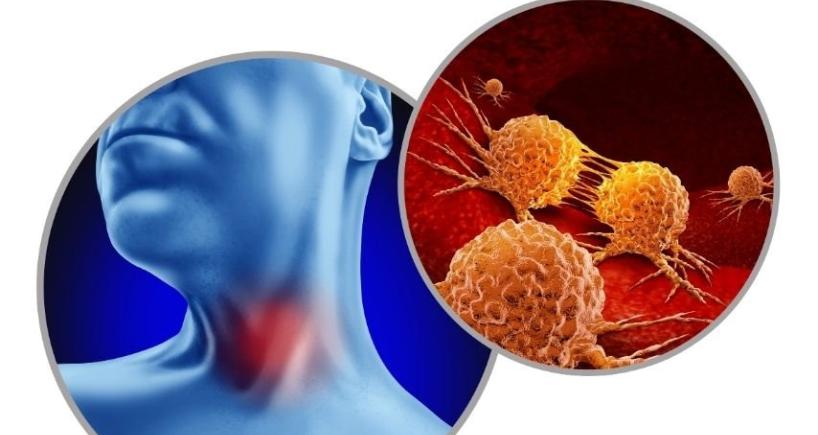


Treatment Options for HPV-Related Head and Neck Cancer
Medicine Made Simple Summary
HPV-related head and neck cancer is treated using surgery, radiation therapy, chemotherapy, or a combination of these approaches. The exact treatment plan depends on where the cancer is located, how large it is, whether lymph nodes are involved, and the patient’s overall health. HPV-positive vs HPV-negative cancer status often guides treatment decisions. HPV-positive cancers usually respond very well to treatment, allowing doctors to focus not only on curing the disease but also on protecting long-term speech, swallowing, and quality of life. Treatment is personalized, and there is no single best option for everyone.
Understanding the Main Treatment Approaches
Once HPV head and neck cancer diagnosis is confirmed, treatment planning begins with a clear goal. The cancer must be completely controlled or eliminated, while preserving as much normal function as possible. Because many patients are younger and otherwise healthy, doctors carefully consider long-term side effects alongside cure rates.
The three main treatment tools are surgery, radiation therapy, and chemotherapy. These are used alone or in combination, depending on the individual case. HPV-positive cancers are generally more sensitive to treatment, which allows greater flexibility in how these tools are used.
Surgery as a Treatment Option
Surgery removes the cancer directly from the body. In HPV-related head and neck cancer overview, surgery is often used when the tumor is small, well-defined, and located in an area that can be accessed safely. Advances in surgical techniques now allow many tumors to be removed through the mouth, avoiding large external incisions.
Surgery may be recommended when
- The tumor is limited in size
- Cancer is confined to a specific area
- Removal is unlikely to cause major speech or swallowing problems
After surgery, some patients may still need radiation therapy if there is concern about microscopic cancer cells remaining.
Radiation Therapy and Why It Works Well
Radiation therapy uses high-energy beams to destroy cancer cells. It is one of the most common treatments for HPV-related head and neck cancer. Radiation can be used on its own or combined with chemotherapy.
HPV-positive cancer cells are particularly sensitive to radiation. Because of this, radiation therapy is often very effective at controlling the disease. In some patients, radiation alone can achieve cure without the need for surgery.
Common temporary side effects of radiation may include
- Sore throat and mouth
- Difficulty swallowing
- Dry mouth and taste changes
- Fatigue
Doctors closely monitor patients and provide supportive care to manage these effects.
The Role of Chemotherapy
Chemotherapy uses medicines to damage or kill cancer cells. In HPV-related head and neck cancer, chemotherapy is usually not given alone. Instead, it is used to strengthen the effect of radiation therapy. This combined approach is called chemoradiation.
Chemotherapy is more likely to be added when
- The tumor is larger
- Lymph nodes are involved
- There is a higher risk of recurrence
Side effects vary depending on the drugs used but are carefully managed by the medical team.
Combining Treatments and Personalizing Care
Many patients receive more than one type of treatment. For example, surgery may be followed by radiation, or radiation may be combined with chemotherapy. This approach improves cancer control in higher-risk cases.
Treatment plans differ because each patient’s cancer is different. Doctors consider
- Tumor location and size
- Spread to lymph nodes
- HPV status
- Swallowing and speech function before treatment
- Overall health and lifestyle needs
This personalized approach ensures that treatment is both effective and appropriate for the individual.
Recovery, Outcomes, and What to Expect
Treatment usually lasts several weeks, and recovery continues afterward. Some side effects improve quickly, while others take more time. Speech and swallowing therapy are often part of recovery and can significantly improve quality of life.
HPV-related head and neck cancer generally has excellent outcomes. Many patients are cured and return to normal or near-normal daily activities. Regular follow-up is essential to monitor healing and detect any recurrence early.
Conclusion
If you or a loved one has been diagnosed with HPV-related head and neck cancer, ask your healthcare team to explain why a specific treatment plan has been recommended. Understanding the role of surgery, radiation, and chemotherapy will help you feel confident, informed, and prepared for the journey ahead.
Categories
Clear allMeet the doctor

- Oncology | Surgical Oncology | Head and Neck Oncosurgery
-
 15 Years
-

Related Blogs
View all










Keep track of your appointments, get updates & more!

