


Treatment Strategies for Coronary Artery Disease at Best Cardiology Hospital in India
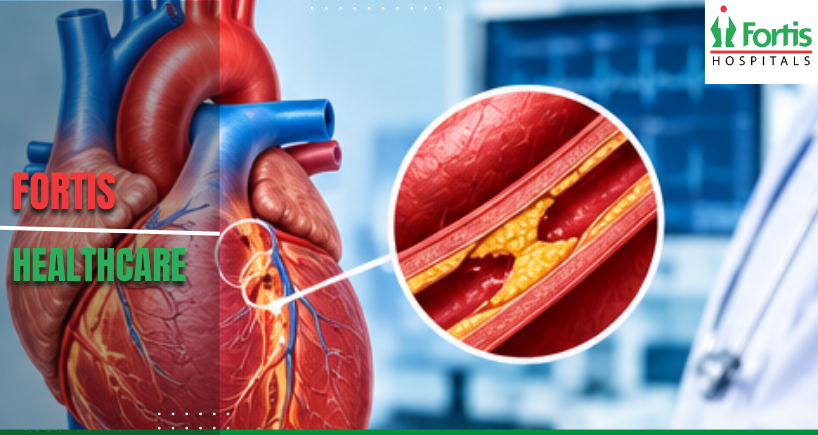
Coronary artery disease (CAD) develops when the blood vessels that supply the heart muscle become narrowed or blocked, most commonly because of atherosclerosis. Fatty deposits, cholesterol, and other substances can build up within the artery walls over time and reduce blood flow to the heart.
Some people may have no obvious symptoms in the early stages, while others experience chest discomfort, breathlessness, fatigue, or reduced exercise tolerance. When coronary artery disease is identified, treatment is tailored according to the severity of the disease, symptoms, cardiovascular risk, and overall health.
Treatment can range from lifestyle changes and medicines to procedures such as angioplasty and stent placement or coronary artery bypass grafting (CABG).
Recognising the Warning Signs
One of the most common symptoms of coronary artery disease is angina, which may feel like pressure, tightness, heaviness, squeezing, or discomfort in the chest.
Angina can sometimes occur during physical activity or emotional stress and improve with rest. However, symptoms vary considerably between individuals.
Possible symptoms include:
- Chest pressure or discomfort
- Shortness of breath
- Unusual tiredness
- Discomfort in the shoulder, arm, neck, jaw, or back
- Sweating
- Nausea or light-headedness
Some people, particularly those with diabetes, older adults, and women, may experience less typical symptoms.
When Is It an Emergency?
Sudden or severe chest discomfort, particularly when it lasts several minutes, occurs at rest, or is accompanied by breathlessness, sweating, nausea, fainting, or pain spreading to the arm or jaw, can be a sign of a heart attack.
Such symptoms require urgent emergency medical attention rather than waiting for a routine appointment.
Diagnosing Coronary Artery Disease
Before selecting a treatment, doctors need to understand how severe the coronary artery disease is and how it is affecting the heart.
The evaluation may include:
- Medical history and physical examination
- Blood pressure and cardiovascular risk assessment
- Blood tests, including cholesterol and blood glucose
- Electrocardiogram (ECG)
- Echocardiography
- Exercise or stress testing in selected patients
- CT coronary angiography when appropriate
- Invasive coronary angiography when indicated
The choice of test depends on the patient's symptoms, risk factors, previous medical history, and suspected severity of disease.
Understanding Coronary Angiography
Coronary angiography is an invasive imaging procedure that allows doctors to examine the coronary arteries.
A thin catheter is inserted through an artery, commonly through the wrist or groin, and guided towards the heart. Contrast material is injected while X-ray images are taken.
The resulting images can help doctors identify the location and severity of coronary artery narrowing and determine whether further treatment is required.
Managing Coronary Artery Disease With Medicines
Not every patient with coronary artery disease requires an invasive procedure.
Medicines are an important part of treatment and may be used alone or alongside angioplasty or bypass surgery.
Depending on the individual's condition, medicines may include:
- Statins or other cholesterol-lowering medicines
- Antiplatelet medicines
- Blood pressure medicines
- Medicines that reduce the heart's workload
- Anti-anginal medicines
- Diabetes medicines when required
The exact combination depends on the patient's symptoms, cardiovascular risk, other medical conditions, and previous procedures.
Patients should take prescribed medicines consistently and should not stop antiplatelet or other cardiovascular medicines without medical advice.
Navigating Angioplasty and Stent Placement
For selected patients with significant coronary artery narrowing, doctors may recommend percutaneous coronary intervention (PCI).
During PCI, an interventional cardiologist guides a catheter through a blood vessel to the affected coronary artery. A small balloon may be inflated at the narrowed area to help widen the vessel.
A coronary stent is commonly placed to help keep the artery open.
Modern procedures often use drug-eluting stents, which release medication designed to reduce the risk of the artery becoming narrowed again because of excessive tissue growth.
Angioplasty and stenting can be particularly important during certain heart attacks and may also be used for patients with significant symptoms or disease despite appropriate medical treatment.
However, PCI is not automatically the best option for every blockage. The location and complexity of the disease, number of affected vessels, heart function, diabetes status, and other factors are considered before treatment is recommended.
Understanding Coronary Artery Bypass Surgery
Some patients have coronary artery disease that is better treated with coronary artery bypass grafting (CABG).
Bypass surgery creates a new route for blood to flow around significantly narrowed or blocked coronary arteries.
Surgeons may use blood vessels from the chest, arm, or leg to create these grafts. The choice depends on the patient's anatomy and the surgical plan.
CABG may be considered for certain patients with:
- Multiple significantly narrowed coronary arteries
- Complex coronary anatomy
- Left main coronary artery disease
- Certain patterns of disease involving major coronary vessels
- Coronary disease in patients with diabetes where bypass may offer advantages
- Disease that is not suitable for PCI
The decision between medicines, PCI, and CABG is often best made through a multidisciplinary assessment involving cardiologists and cardiac surgeons.
Choosing the Right Cardiology Centre
Treatment for coronary artery disease may require different specialists at different stages. A comprehensive cardiac centre can provide diagnostic cardiology, interventional cardiology, cardiac surgery, intensive care, and rehabilitation support.
When evaluating the best cardiology hospital in India or the best heart hospital in India, patients may consider:
- Experienced cardiologists and cardiac surgeons
- Advanced cardiac imaging facilities
- A modern catheterisation laboratory
- Emergency angioplasty services
- Cardiac surgery backup
- Coronary artery bypass surgery
- Cardiac intensive care facilities
- Cardiac rehabilitation
- Access to multidisciplinary heart teams
For patients with complex coronary disease, having multiple treatment options available can help the medical team select an approach suited to the individual's condition.
Making Heart-Healthy Dietary Changes
Diet plays an important role in long-term coronary artery disease management, whether or not a patient has undergone angioplasty or bypass surgery.
A heart-healthy eating pattern generally emphasises:
- Vegetables and fruits
- Whole grains
- Pulses and legumes
- Nuts and seeds in appropriate portions
- Fish or other healthy protein sources where suitable
- Unsaturated fats such as those found in certain vegetable oils
- Lower intake of saturated and trans fats
- Limited highly processed foods
- Appropriate sodium intake
- Reduced consumption of sugar-sweetened beverages
A registered dietitian can help create an eating plan based on the patient's weight, diabetes status, cholesterol levels, blood pressure, cultural food preferences, and other medical needs.
There is no need to rely on individual "superfoods" or supplements to protect the heart. Overall dietary patterns and long-term consistency are more important.
Exercise and Cardiac Rehabilitation
Physical activity is an important part of cardiovascular health, but the appropriate level of exercise depends on the patient's condition and treatment history.
After angioplasty, a heart attack, or bypass surgery, the medical team may recommend cardiac rehabilitation. This structured programme can include supervised exercise, education, nutrition guidance, and support for managing cardiovascular risk factors.
Patients should follow their cardiologist's advice regarding when and how to increase physical activity, particularly after a cardiac procedure.
Building a Long-Term Cardiovascular Plan
Treating a blocked artery does not remove the underlying tendency toward coronary artery disease. Long-term prevention remains essential after angioplasty, stent placement, or bypass surgery.
A comprehensive plan may include:
- Taking prescribed medicines
- Managing cholesterol
- Controlling blood pressure
- Maintaining healthy blood glucose levels
- Avoiding tobacco
- Maintaining a healthy body weight
- Following a heart-healthy diet
- Staying physically active
- Attending recommended follow-up appointments
- Managing stress and maintaining adequate sleep
Regular monitoring helps doctors assess cardiovascular risk and adjust treatment when necessary.
Final Thoughts
Coronary artery disease can range from mild, stable disease managed with lifestyle changes and medication to complex blockages requiring interventional or surgical treatment.
Angioplasty and stent placement can restore blood flow in appropriately selected patients, while coronary artery bypass surgery may be more suitable for certain patterns of complex or extensive disease. In many cases, medicines and lifestyle changes remain essential regardless of whether a procedure is performed.
Choosing a cardiac centre with experienced specialists, advanced diagnostic facilities, interventional cardiology, cardiac surgery, and rehabilitation services can support comprehensive care.
Most importantly, treatment should be individualised. Early evaluation of symptoms, appropriate diagnostic testing, consistent medication use, and long-term management of cardiovascular risk factors can all play an important role in protecting heart health.
Categories
Clear allRelated Blogs
View all







FAQs

Keep track of your appointments, get updates & more!

