
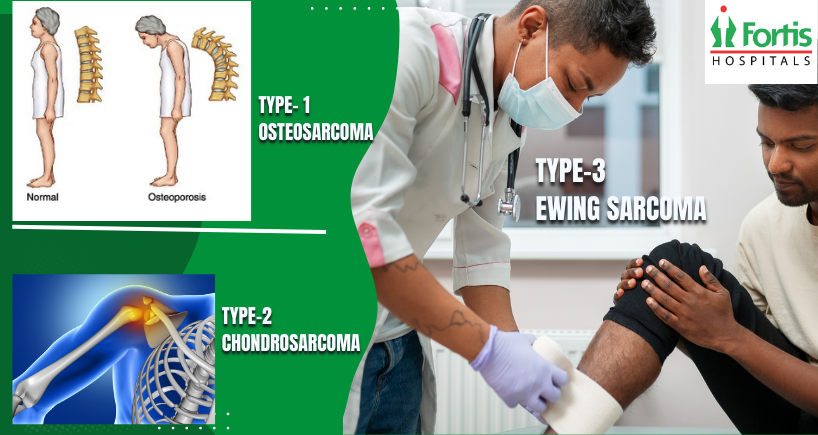


Types of Ewing Sarcoma: A Simple Guide for Families
Ewing disease is often spoken about as a single condition, but doctors classify ewing sarcoma into several closely related types. These types are not separate illnesses. Instead, they describe where the tumor begins and how it behaves within bones or surrounding soft tissues. Understanding this distinction helps families follow diagnostic discussions with greater confidence.
The term ewings sarcoma refers to a family of tumors that share the same cellular origin. Doctors group these tumors together because they respond to similar treatments and follow similar care pathways. Learning about these types helps families understand scan results, biopsy reports, and treatment recommendations without feeling overwhelmed.
How Doctors Define Types of Ewing Sarcoma
Doctors classify ewing sarcoma primarily by the location where the tumor first develops. This classification helps guide imaging, surgical planning, and long term monitoring. All types fall under sarcoma cancer, which means the disease arises from connective tissues rather than internal organs.
This classification does not indicate severity or outcome on its own. Instead, it provides practical information that allows care teams to plan treatment safely while protecting nearby bones, joints, and organs.
Ewing Sarcoma That Begins in Bone
The most common form begins inside the bone itself. This type often affects long bones such as the thigh, shin, or upper arm, along with flat bones like the pelvis or ribs. Pain is usually the first noticeable sign, often developing gradually and worsening over time.
As the tumor grows within the bone, swelling may appear near the affected area. These changes explain many early sarcoma symptoms, including tenderness, reduced movement, and discomfort that does not improve with rest. Persistent ewing sarcoma symptoms should always be medically evaluated.
How Bone Based Tumors Affect Function
Bone involvement often affects mobility and strength. Children may limp, avoid physical activity, or complain of pain during routine movements. Parents may notice changes in posture or balance before visible swelling appears.
Because bones support the body’s structure, tumors in these areas tend to cause symptoms earlier. This is one reason bone based Ewing sarcoma is often detected sooner than tumors that begin in soft tissues.
Ewing Sarcoma That Begins in Soft Tissue
In some cases, the tumor begins in soft tissues rather than bone. These tissues include muscles, connective tissue, and areas surrounding joints or organs. Although less common, this type behaves similarly at a cellular level to bone based tumors.
Early signs may include a slowly growing lump with little or no pain at first. Over time, discomfort increases as the mass presses on nearby structures. These subtle symptoms of ewings sarcoma can delay diagnosis without proper imaging.
Extraosseous Ewing Sarcoma
When the tumor starts outside the bone, doctors describe it as extraosseous. This term refers only to location and does not imply a different disease process. The tumor cells remain the same as those found in bone based Ewing sarcoma.
Families may feel concerned when hearing unfamiliar terminology. Understanding that extraosseous tumors follow the same ewings sarcoma cancer treatment principles often brings reassurance during early consultations.
Tumors Involving the Chest Wall
Some Ewing sarcomas develop in the chest wall, affecting ribs or surrounding soft tissues. These tumors may cause pain during breathing, coughing, or physical activity. Swelling or tenderness over the chest area may also be present.
Because breathing movements affect the chest wall, symptoms can feel different compared to limb based tumors. These variations still fall within typical sarcoma symptoms and require careful specialist evaluation.
Pelvic Ewing Sarcoma
Tumors that develop in the pelvis often present differently. Pain may feel deep or vague, sometimes affecting the lower back, hips, or abdomen. Swelling is not always visible, which can delay recognition.
Pelvic tumors may grow larger before detection due to the spacious anatomy of the area. This makes careful attention to persistent discomfort and reduced mobility especially important for early diagnosis.
Peripheral Primitive Neuroectodermal Tumors
Within the same tumor family, doctors may identify tumors that show nerve like features under microscopic examination. These tumors are grouped with Ewing sarcoma because they share the same origin and biological behavior.
For families, this distinction does not change the treatment approach. Care plans remain based on established protocols designed for ewing sarcoma, ensuring consistent and evidence based management.
Why Tumor Location Changes Symptoms
The location of the tumor strongly influences how symptoms appear. A tumor near a joint may limit movement, while one deep in the pelvis may cause vague discomfort. Tumors near nerves can cause tingling or weakness.
These differences explain why ewing sarcoma symptoms vary widely among patients. Despite this variation, persistent pain, swelling, or unexplained functional changes remain common warning signs across all types.
Understanding Ewings Sarcoma Causes Across Types
Families often ask whether different types have different origins. In reality, ewings sarcoma causes are the same regardless of tumor location. The disease begins due to changes inside certain cells that affect how they grow and divide.
When doctors explain ewing's sarcoma causes, they emphasize that these changes occur randomly. They are not linked to injury, physical activity, diet, or family history, and they cannot be prevented.
How Doctors Identify the Type Accurately
Imaging studies such as MRI and CT scans help determine whether the tumor originates in bone or soft tissue. These scans also show the tumor’s size and relationship to nearby structures.
A biopsy then confirms the diagnosis. By examining tumor cells under a microscope, specialists distinguish Ewing sarcoma from other forms of sarcoma cancer and classify the type accurately.
Why Classification Matters for Treatment Planning
Knowing the type helps doctors plan treatment safely and effectively. Tumors near vital structures may require chemotherapy first to reduce size before surgery or radiation is considered.
This planning protects surrounding tissue and improves recovery. Classification supports individualized care while maintaining the overall goal of disease control.
Treatment Principles Across All Types
Treatment usually includes chemotherapy to address cancer cells throughout the body. Local treatments such as surgery or radiation follow based on tumor location and response to initial therapy.
Families may hear about ewing's sarcoma new treatment approaches under research. These efforts aim to refine existing therapies and improve long term outcomes while limiting side effects.
Monitoring Symptoms During Treatment
As treatment begins, many symptoms improve gradually. Pain often decreases, swelling reduces, and mobility increases over time. Doctors monitor these changes closely to assess treatment response.
Tracking ewing sarcoma symptoms throughout therapy helps guide adjustments and supports safer, more effective care.
Living With a Specific Type Diagnosis
Understanding the specific type helps families feel more prepared and involved. It allows them to follow discussions, interpret reports, and ask meaningful questions during appointments.
Although the terminology can seem complex, recognizing that all forms fall under ewing disease reassures families that care follows established, structured pathways grounded in experience and research.
Ongoing Research and Classification Improvements
Medical research continues to refine how Ewing sarcoma is classified and treated. Each advancement improves understanding of tumor behavior and supports more personalized care strategies.
By learning about the types of ewing sarcoma, families gain clarity and confidence. This knowledge supports informed decisions and steady engagement with the care process as treatment progresses.
Categories
Clear allRelated Blogs
View all










Keep track of your appointments, get updates & more!

