
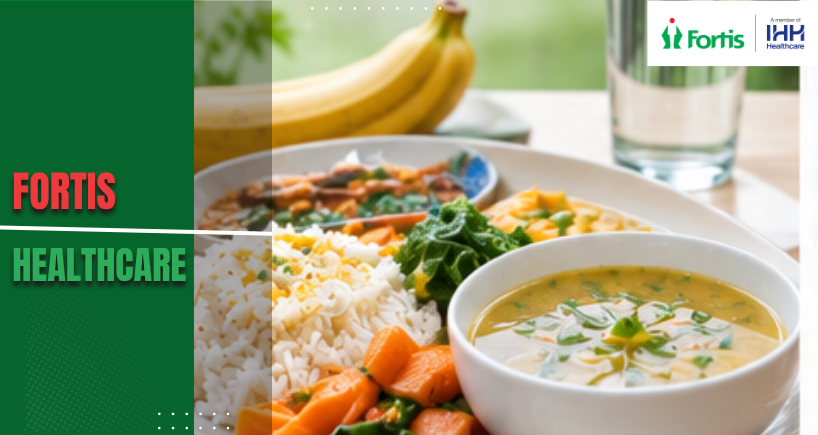


Typhoid Fever Diet -What to Eat and Avoid During Recovery
Recovering from typhoid fever isn't just about finishing your course of antibiotics — what you eat during recovery plays a huge role in how quickly your gut and energy levels bounce back. Since typhoid directly affects the intestines, a poorly chosen typhoid diet can slow healing or even trigger complications, while the right foods can support recovery and rebuild strength faster.
This guide walks through exactly which foods to eat in typhoid, which foods to avoid in typhoid, and how to structure a typhoid recovery diet that's gentle on your system.
Why Diet Matters So Much in Typhoid Recovery
Typhoid fever, caused by Salmonella typhi bacteria, primarily affects the intestinal lining. This makes digestion more sensitive than usual, and the wrong foods can worsen abdominal discomfort, diarrhea, or bloating. On the flip side, the right diet helps:
- Reduce strain on the digestive system
- Replenish lost nutrients and energy
- Support the immune system in fighting off residual infection
- Prevent relapse, which typhoid is known for if recovery isn't managed carefully
This falls under general internal medicine guidance, since typhoid recovery often requires balancing antibiotic treatment with careful nutritional support.
Foods to Eat in Typhoid: What Helps Recovery
When you're recovering from typhoid, the goal is soft, easily digestible, nutrient-dense food. Here are the best foods to eat in typhoid:
1. Soft, Easily Digestible Carbohydrates
- Rice porridge (khichdi) or plain rice
- Boiled or mashed potatoes
- Soft-cooked oats or porridge
- Plain toast or soft bread
These provide energy without overworking the digestive system.
2. Protein for Healing and Strength
- Boiled eggs or egg whites
- Well-cooked, soft chicken or fish (in small portions)
- Paneer or cottage cheese
- Dal (lentil soup), well-cooked and strained if needed
Protein supports tissue repair, which is essential since the intestines are actively healing.
3. Hydrating Fluids
- Coconut water
- Oral rehydration solution (ORS)
- Clear soups and broths
- Buttermilk (chaas), which can also help restore gut bacteria
Typhoid often comes with fever and sometimes diarrhea, both of which increase fluid loss. Staying hydrated is just as important as eating.
4. Fruits That Are Gentle on the Stomach
- Ripe bananas
- Peeled, cooked apples
- Papaya (aids digestion)
- Pomegranate juice (in moderation)
Avoid raw, fibrous fruits during the acute phase, and reintroduce them gradually as digestion improves.
5. Probiotic and Gut-Friendly Foods
- Plain yogurt or curd
- Buttermilk
These help restore healthy gut bacteria, especially important if antibiotics have disrupted the digestive system.
Foods to Avoid in Typhoid
Just as important as knowing what to eat is knowing the foods to avoid in typhoid, since certain foods can irritate the intestines or worsen symptoms:
- Spicy and oily foods — These can irritate the already-sensitive intestinal lining and worsen discomfort.
- Raw vegetables and salads — High fiber content can be harder to digest and may carry bacterial contamination risk if not properly washed.
- Red meat and heavy, fatty foods — Difficult to digest and can slow recovery.
- Carbonated drinks and caffeine — Can cause bloating and dehydration.
- Unpasteurized dairy or street food — Risk of reinfection or additional gastrointestinal illness is high during recovery.
- High-fiber whole grains — While healthy normally, they can be too harsh on a recovering gut in the acute phase.
Sample Typhoid Recovery Diet Plan
Here's what a day might look like on a typhoid recovery diet:
- Morning: Coconut water or ORS, followed by soft porridge or khichdi
- Mid-morning: A ripe banana or peeled, cooked apple
- Lunch: Rice with well-cooked dal, boiled vegetables, and a small portion of curd
- Afternoon: Clear vegetable soup or buttermilk
- Evening: Soft toast with a boiled egg
- Dinner: Khichdi or rice with dal, kept light and easy to digest
Portions should be smaller and more frequent rather than three large meals, which can be harder on a recovering digestive system.
When to Reintroduce Normal Foods
Most doctors recommend continuing a soft, bland diet for at least 1–2 weeks after fever subsides, even after antibiotics are completed. Reintroduce fibrous vegetables, raw salads, and spicier foods gradually, watching for any return of digestive discomfort. If symptoms flare up again, scale back and consult your doctor, since typhoid does carry a risk of relapse.
Final Thoughts
A thoughtful typhoid diet isn't just about comfort — it's a genuine part of the treatment process. Sticking to soft, hydrating, protein-rich foods while avoiding spicy, oily, and raw items gives your intestines the best chance to heal properly and reduces the risk of relapse. Pair the right diet with completing your full antibiotic course, and recovery tends to go far more smoothly.
Categories
Clear allMeet the doctor

- Gastroenterology and Hepatobiliary Sciences | Gastroenterology | Gastroenterology and Hepatobiliary Sciences
-
 5 Years
-
 1250
1250
Related Blogs
View all
When Is A Liver Transplant Recommended?
Alcoholic Liver Disease - Why Worry?

Binge Drinking Trend Is The New Silent Killer

Irritable Bowel Syndrome

Digestive Disorders And Prevention

FAQs

Keep track of your appointments, get updates & more!

