
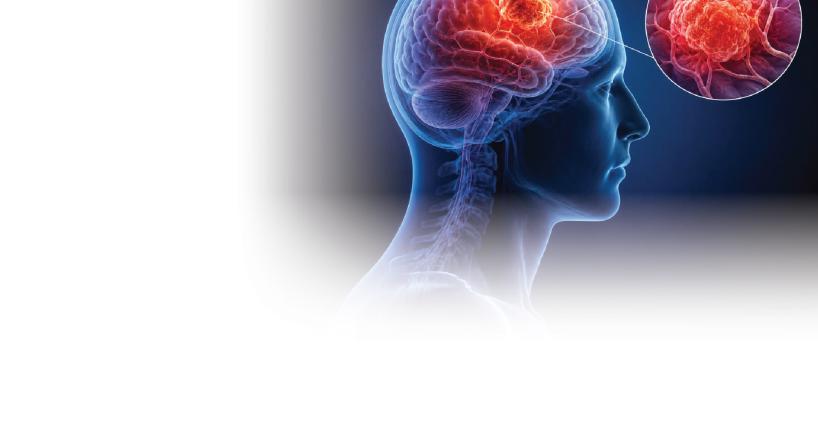


Understanding Brain Tumour
What is a Brain Tumour?
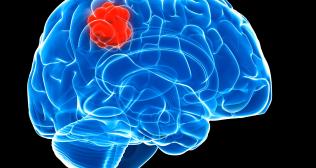
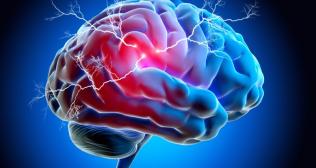
A Brain Tumour is an abnormal growth of cells within the brain or surrounding tissues. Brain tumours can be benign (non-cancerous) or malignant (cancerous). Depending on their size and location, they can affect important brain functions such as movement, speech, memory, vision, and balance.
Common Symptoms
Symptoms of a brain tumour may vary depending on its size and location. Common signs include:
- Persistent or severe headaches
- Nausea and vomiting
- Seizures
- Weakness or numbness in the arms or legs
- Difficulty speaking or understanding speech
- Vision or hearing problems
- Balance and coordination issues
- Memory changes or confusion
- Personality or behavioural changes
- Sudden unconsciousness
Causes and Risk Factors
In many cases, the exact cause of a brain tumour is unknown. Certain factors may increase risk, including:
- Family history of brain tumours
- Exposure to radiation
- Certain genetic conditions
- Increasing age
Diagnosis
Doctors do a thorough clinical examination and may recommend several tests to diagnose a brain tumour, such as:
- MRI Brain (contrast enhanced)
- CT Scan brain
- Tumour Biopsy
- Brain Angiography
- Advanced imaging studies
Treatment Options
Treatment depends on the type, size, and location of the tumour, as well as the patient’s overall health. Options may include:
- Surgery (Required in 99% cases)
- Minimally invasive or navigation-assisted procedures
- Radiation therapy
- Chemotherapy
- Targeted therapy
- Rehabilitation therapies
How is the surgery performed?
In most case skull is opened with a high-speed drill and membranes over the brain are cut. Then brain is cut or natural passages are approached to reach the tumour. Then tumour is removed with specialised instruments. Visualisation through an Operating microscope is mandatory for brain tumour removal. In some case, where tumour is located in the skull base or inside ventricle, endoscope is used to remove tumour through the nose or a small hole in the skull.
Why Early Diagnosis Matters
Early diagnosis and treatment can improve outcomes, help preserve brain function, and reduce complications. Tumour is removed best if it is small in size. Large tumour may involve large area of brain and during removal brain damage is more. Prompt medical attention is important if symptoms persist or worsen.
Recovery and Follow-Up
Recovery varies from patient to patient. Regular follow-up visits, imaging scans, and rehabilitation may be required to monitor progress and support recovery. Regular medication has a very important role to play. Repeat surgery may be required in some cases.
When to Seek Immediate Medical Help
Seek urgent medical attention if you experience:
- Seizures
- Severe worsening headache
- Sudden or progressive weakness or paralysis
- Loss of consciousness
- Difficulty speaking or breathing
- Vision or hearing loss
Categories
Clear allMeet the doctor

- Neurosurgery | Neurosurgery | Neuro and Spine Surgery
-
 20 Years
-
 1500
1500
 Available at 1 different locations

Related Blogs
View all

Head Injury: Better Be Safe Than Sorry
Traumatic Brain Injury: Symptoms, Causes and Management

FAQs
Are all brain tumours cancerous?
No. Some brain tumours are benign and grow slowly, while others are malignant and require urgent treatment
Can a brain tumour return after treatment?
Many tumours recur, which is why regular follow-up is important.
What are the benefits of surgery?
Surgery provides a biopsy sample to diagnose nature of tumour and plan further treatment. Complete removal is possible in most non-cancerous tumours. Debulking of cancerous tumour is possible to increase efficacy of radiotherapy/chemotherapy. It relieves symptoms due the tumour mass and cure effect of compression on the normal brain.
How much will be hair be cut?
Minimum hair cut is required for a craniotomy. Neuronavigational and high-speed drill have increased the precision in locating the tumour and reduced the size of incision. Endoscopic surgery doesn’t require a haircut.
What special gadgets are required to treat brain tumours?
A good quality MRI in very important to diagnose a brain tumour successfully. Good quality operating microscope with facilities of vascular and tumour fluorescence is essential. Neuro-navigation and Neuro- monitoring is very helpful in selected cases. Special operating tables, specialised instruments, qualified Neuro-anesthetist and trained staff make a lot of difference.

Keep track of your appointments, get updates & more!

