
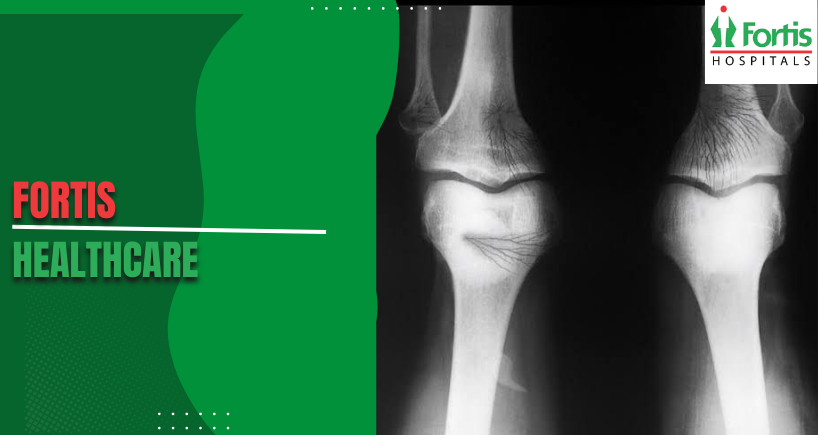


Understanding Ewing Sarcoma Pain: Why It Happens
Pain represents the symptom that brings most families to the doctor when their child has ewing sarcoma. This discomfort starts gradually but eventually becomes impossible to ignore as the tumor continues growing. Understanding why this cancer causes pain helps families know what to expect and communicate more effectively with medical teams. The biology behind cancer pain also explains why certain treatments work better than others for managing discomfort.
When your child hurts, you naturally want to understand what's happening inside their body causing that suffering. Ewing disease creates pain through several different mechanisms as the tumor grows and affects surrounding tissues. Learning about these pain-causing processes doesn't make the discomfort disappear, but knowledge often provides some comfort during difficult times. This understanding also helps you recognize when pain changes might signal important developments requiring medical attention.
How Tumor Growth Causes Bone Pain
The tumor itself takes up space inside or around the bone, creating pressure that activates pain nerves. As ewings sarcoma grows, it pushes against the dense bone tissue and surrounding structures that have nowhere to expand. This internal pressure gets detected by specialized nerve endings designed to alert the brain when something threatens tissue damage. Your child's brain interprets these danger signals as the deep, aching pain characteristic of bone tumors.
Inflammation and Chemical Pain Signals
Growing tumors trigger inflammatory responses in surrounding tissues. Your child's immune system recognizes cancer cells as abnormal and sends inflammatory cells to the area trying to fight the threat. This immune response releases chemical messengers called cytokines that sensitize pain nerves, making them fire more easily. The inflammation also causes warmth, redness, and swelling that families often notice around the tumor site.
Bone Destruction and Structural Weakness
Sarcoma cancer cells actively break down normal bone tissue as they multiply and spread. This bone destruction happens through enzymes that tumor cells release to clear space for expansion. Your child's body attempts to repair the damage by creating new bone, but tumor growth outpaces these healing efforts. The resulting structural weakness makes the bone vulnerable to developing tiny cracks that cause additional pain.
These microscopic fractures occur within bone that's been weakened by tumor invasion even when no obvious break appears on X-rays. Your child might describe the pain worsening with weight-bearing activities as these tiny cracks develop and expand. The bone tries to heal itself between episodes of stress, but ongoing tumor growth prevents adequate repair. This cycle of damage and incomplete healing contributes to the progressive pain pattern families notice.
Nerve Pressure and Compression
Tumors growing near nerves can press directly on these sensitive structures, causing sharp or shooting pain. This nerve compression pain often radiates beyond the immediate tumor location, traveling along the nerve's pathway. Your child might feel pain down their leg or arm when a tumor presses on major nerves passing near the affected bone. This referred pain pattern sometimes confuses families about where the actual problem exists.
The pressure on nerves also causes tingling, numbness, or weakness in areas that the compressed nerve supplies. These symptoms indicate that the tumor is affecting nerve function beyond just causing pain. When nerves controlling muscles get compressed, your child might struggle to move certain body parts normally. These functional problems often prompt medical evaluation that leads to discovering the tumor.
Why Pain Gets Worse at Night
Many families notice their child's ewing sarcoma pain intensifies after lying down for sleep. This nighttime worsening happens for several reasons related to body position and normal physiological changes during rest. When your child lies flat, blood flow patterns change slightly, potentially increasing pressure around the tumor. The absence of daytime distractions also means pain receives their full attention rather than competing with activities for awareness.
Inflammatory chemicals in the body follow daily rhythms that increase certain types during nighttime hours. These cyclical patterns affect pain perception and may explain why bone pain bothers children more overnight. Additionally, supportive muscle tension that helps stabilize affected bones during the day relaxes during sleep. Without this muscular support, movement during sleep might stress the weakened bone more, triggering pain that wakes your child.
How Activity and Rest Affect Discomfort
Using the affected bone through normal activities increases pain by stressing the weakened structure. Walking on a leg with a tumor, throwing a ball with an affected arm, or sitting when a pelvic tumor is present all add mechanical stress. This activity-related pain serves as your child's body trying to protect the damaged bone from further harm. Your child instinctively limits activities that hurt, which represents a protective response.
However, complete immobility isn't ideal either because muscles around the affected bone need to maintain some strength. Finding the right balance between rest and gentle activity becomes important during the diagnostic process and treatment. The Best Hospital in India provides comprehensive pain management services that help families navigate these challenging decisions about activity levels during cancer treatment.
Different Pain Patterns During Treatment
Chemotherapy reduces tumor size, which often improves pain significantly during the first weeks of treatment. As cancer cells die, pressure on bones and nerves decreases while inflammation starts resolving. Many families report their child's pain improves dramatically before any visible tumor shrinkage shows on scans. This pain relief represents an early sign that treatment is working effectively against the cancer.
However, some treatment side effects create new types of discomfort. Chemotherapy can cause bone marrow pain as it affects blood cell production. Surgical procedures involve expected post-operative pain that differs from the original tumor pain. Radiation therapy sometimes causes temporary inflammation that increases discomfort before improving. Understanding these treatment-related pain patterns helps you distinguish between expected side effects and concerning developments.
When Pain Changes Require Medical Attention
New or different pain patterns during treatment might signal complications requiring prompt evaluation. Sudden sharp pain could indicate a fracture developing in the weakened bone. Rapidly worsening discomfort might mean the tumor is growing despite treatment, suggesting the current therapy isn't working adequately. Pain spreading to new locations could represent cancer spreading beyond the original site.
You should contact your medical team promptly when pain changes significantly or stops responding to previously effective medications. Don't wait for scheduled appointments if pain becomes unmanageable or develops worrying characteristics. Your oncology team would rather evaluate unnecessary concerns than miss important complications that need immediate attention.
Managing Pain Beyond Medication
While medications remain the cornerstone of cancer pain management, other approaches provide additional relief. Physical therapy helps maintain muscle strength and joint flexibility around affected bones, reducing mechanical stress that worsens pain. Heat or ice application may help some children, though tumor location determines whether these options are safe. Positioning with pillows or supports can reduce pressure on painful areas during rest.
Sarcoma symptoms including pain often improve substantially as treatment progresses and tumors shrink. This improvement typically happens gradually over weeks and months rather than overnight. Tracking pain levels helps identify trends showing whether treatment is successfully controlling tumor growth. Most children achieve good pain control through appropriate medication combinations adjusted as their disease responds to therapy.
Long Term Pain Considerations After Treatment
Some children experience chronic pain even after successful treatment eliminates the cancer. Nerve damage from tumor compression or treatment side effects can cause ongoing discomfort. Surgical reconstruction using metal implants or bone grafts sometimes creates persistent pain at the surgery site. These long-term pain issues require different management approaches than acute cancer pain during active disease.
Physical therapy, pain management specialists, and psychological support help children adapt to living with chronic pain when it persists after treatment. Most children find their pain gradually improves over months to years as tissues heal and remodel. Understanding that pain doesn't always mean cancer is returning helps reduce anxiety when chronic discomfort continues into survivorship.
Categories
Clear allRelated Blogs
View all








Keep track of your appointments, get updates & more!

