


Understanding Lymphoma Through Symptoms, Not Medical Terms: A Beginner's Guide
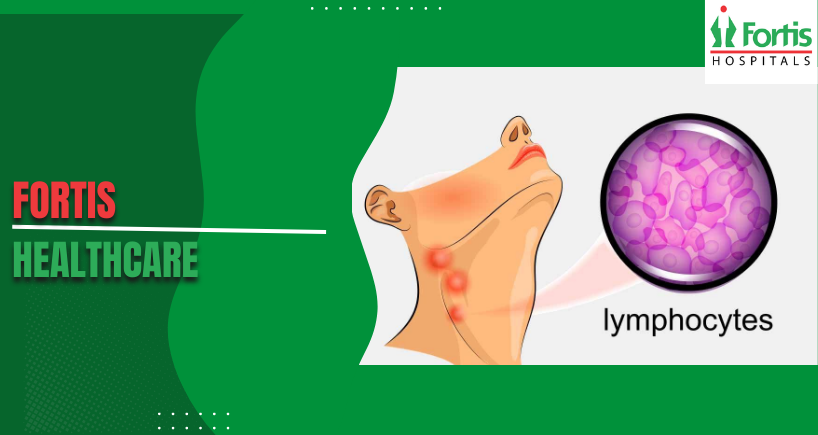
Most people think cancer shows up with obvious signs. Hair loss or visible tumours come to mind. But lymphoma often starts with symptoms that seem minor. A fever that does not go away. Night sweats that soak through clothes. Swollen lumps under the jaw or in the neck.
These signs do not feel like an emergency. They feel uncomfortable but not alarming enough to rush to a doctor. This is exactly why understanding what the body experiences matters more than learning complicated medical terms.
What Actually Happens in the Body
The lymphatic system acts as the body's cleaning network. It filters out harmful substances and moves immune cells around. Lymph nodes work like checkpoints, and lymphocytes are white blood cells that patrol for problems. When lymphoma develops, these lymphocytes start growing out of control and pack into the lymph nodes.
The nodes swell up but usually do not hurt. This lack of pain often delays people from getting checked. The lumps feel firm and rubbery under the skin. Some people find them while bathing. Others discover them during routine medical exams for something else entirely.
Other changes happen too. Weight drops without trying to lose it. Tiredness does not improve with rest. Fevers come and go without any clear infection. Night sweats get so heavy that bedsheets need changing. These symptoms happen because the immune system is reacting to the abnormal cell growth.
The Main Difference Between the Two Types
Understanding Hodgkin's and non Hodgkin's lymphoma matters because treatment approaches differ significantly between them. Both affect the lymphocytes, but they grow and spread in different ways. Hodgkin's lymphoma has specific abnormal cells called Reed-Sternberg cells that doctors can see under a microscope.
This type usually affects younger adults and spreads in a predictable pattern. It often starts in lymph nodes in the upper body and moves to nearby areas in order. Non Hodgkin's lymphoma is actually a group of more than sixty different subtypes. Each one behaves differently.
Some grow slowly over years. Others spread quickly within months. Non Hodgkin's disease can start anywhere in the body where lymph tissue exists. That includes nodes, the spleen, bone marrow, and even the digestive system. The types of NHL vary so much that two patients might have completely different experiences.
Which Symptoms Should Worry Someone
Not every swollen node means cancer. Infections cause temporary swelling that goes away on its own. The difference is in how long the swelling lasts and whether it follows a pattern. Nodes that stay enlarged for more than three weeks need attention.
They do not shrink after taking antibiotics. Multiple areas swell at the same time. The swelling keeps growing slowly. These patterns matter more than a single swollen node that appeared recently.
Other warning signs include night sweats that happen several times a week. Fevers above 38°C without any obvious cause like flu. Weight loss of 10% or more in six months without dieting. Constant itching without a visible rash. Some people get breathing problems if the chest is involved. Abdominal pain or swelling can mean the digestive tract has lymphoma.
How Doctors Figure Out the Exact Type
Diagnosis needs actual tissue samples, not just scans or blood tests. Doctors remove a whole lymph node or take a tissue sample with a needle. A specialist called a pathologist examines the cells under a microscope. They look for specific markers that identify the exact subtype.
Blood tests show if cell counts are abnormal. Scans reveal how far the disease has spread. PET scans highlight active areas where cancer cells are growing. Bone marrow biopsies check if the disease moved beyond the lymph nodes into the blood-forming tissue.
This process takes a few weeks from start to finish. The results tell doctors whether someone has non lymphatic Hodgkin's disease or one of the many variants. Getting the exact classification right is crucial for choosing the best treatment approach.
Treatment Options for Different Situations
Non Hodgkin's lymphoma treatments depend on which subtype someone has, how far it has spread, and overall health. Slow-growing types might not need treatment right away. Doctors watch these patients closely with regular scans and blood tests. Treatment starts only when symptoms appear or the disease starts growing faster.
Aggressive types need treatment quickly. Chemotherapy is the main approach for most cases. Modern NHL treatment combines several drugs that attack cancer cells in different ways. A drug called rituximab often gets added to chemotherapy for certain types. It targets specific proteins on the cancer cells.
Radiation therapy works well for disease in specific areas. It can treat early-stage cases or leftover disease after chemotherapy. Some patients need stem cell transplants if the first treatment does not work or if the disease comes back. Newer treatments like CAR T-cell therapy modify immune cells to fight the cancer. These show good results but are not available everywhere yet.
What the Numbers Actually Mean
Survival rates can confuse people because they show what happened to large groups, not what will happen to one person. Slow-growing non Hodgkin's disease can be managed for many years with treatment when needed. Aggressive types often respond well to intensive treatment and can go into long-term remission.
Age makes a difference. Younger patients usually handle treatment better. The stage at diagnosis matters too. Earlier stages respond better to treatment. How well someone responds to the first round of treatment gives important information about what might happen next.
Steps to Take When Symptoms Appear
Symptoms that do not go away need proper medical evaluation. A general practitioner can do the initial assessment with a physical exam and basic blood tests. They will refer to a specialist called a haematologist if the findings suggest possible lymphoma.
Waiting for appointments creates stress, especially when symptoms continue. Keeping a diary of symptoms helps during medical visits. Write down when fevers happen, how often night sweats occur, and changes in energy levels. Note when any swelling first appeared and if it has changed since then.
Do not try to diagnose through internet searches. Many common conditions cause similar symptoms. Only proper medical tests can confirm what is actually causing the problem.
Understanding Treatment Side Effects
Non Hodgkin's lymphoma treatments cause side effects that vary depending on which drugs are used. Chemotherapy often causes nausea, hair loss, and increased infection risk because it affects fast-growing cells. Fatigue is common during and after treatment. Mouth sores can develop, making eating difficult.
Targeted therapies like rituximab cause fewer side effects than chemotherapy but can still cause reactions. Fever, chills, and low blood pressure sometimes happen during infusions. Radiation causes skin changes in the treated area and tiredness. Long-term effects depend on which organs received radiation.
Doctors can manage most side effects with supportive medications. Anti-nausea drugs help during chemotherapy. Growth factors boost white blood cell counts to prevent infections. Pain relief is available when needed. Telling the medical team about side effects early allows for better management.
Living During and After Treatment
Treatment schedules vary based on the specific NHL treatment plan chosen. Some chemotherapy happens in cycles with rest periods in between. Each cycle might last three weeks, with treatment on certain days and recovery time after. The total treatment period can range from a few months to over a year.
Regular monitoring continues after treatment ends. Follow-up appointments check for any signs of the disease returning. Blood tests and scans happen at set intervals that gradually get further apart. Many people return to normal activities between treatments or after finishing therapy completely.
Moving Forward With Practical Knowledge
A lymphoma diagnosis brings many questions and concerns. The medical terminology feels overwhelming at first. But understanding starts with recognising what the body is experiencing, not memorising complex classifications. Persistent swollen nodes, unexplained fevers, heavy night sweats, and weight loss warrant medical attention.
The difference between Hodgkin's and non Hodgkin's affects treatment planning, but patients do not need to become medical experts. Treatment options keep improving each year. New therapies offer better results with fewer side effects than older approaches. Patients who understand the basics can ask better questions and participate in decisions about their care.
Categories
Clear allRelated Blogs
View all










Keep track of your appointments, get updates & more!

