
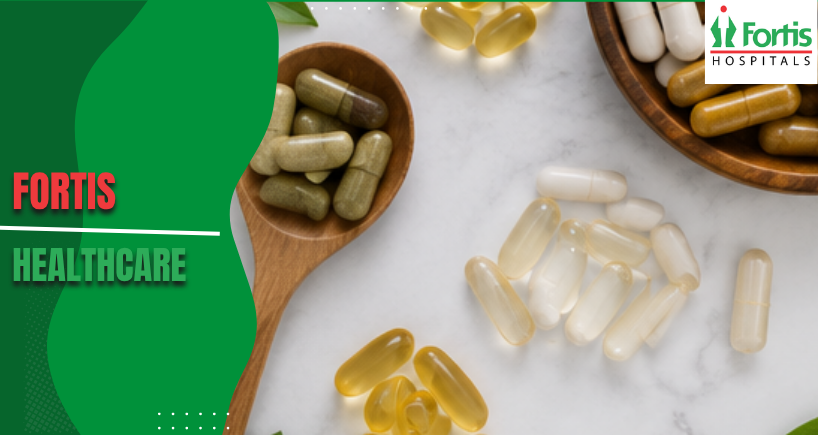


Understanding Nutraceuticals How They Support Health and Wellness
The word "nutraceutical" blends "nutrition" and "pharmaceutical" — and that combination captures exactly what these products represent. Nutraceuticals sit in the fascinating space between everyday food and formal medicine: they are derived from natural food sources but consumed with the intention of providing therapeutic or health-promoting effects beyond basic nutrition.
From vitamin supplements and herbal extracts to fortified foods and functional beverages, nutraceuticals represent one of the fastest-growing segments of the global health industry. But what exactly are they, how do they work, and how can you choose them wisely? Let us break it down.
What Are Nutraceuticals?
The term "nutraceutical" was coined in 1989 by Dr. Stephen DeFelice, founder of the Foundation for Innovation in Medicine. It broadly refers to any food, food component, or dietary supplement that provides medical or health benefits, including the prevention and treatment of disease.
Nutraceuticals are distinct from both conventional food (which provides basic nutrition) and pharmaceuticals (which are drugs developed for treating specific diseases). They occupy a unique middle ground: they are generally available without a prescription, are considered safe for regular consumption, and are used to support health, prevent deficiencies, or reduce the risk of chronic disease.
Main Categories of Nutraceuticals
1. Dietary Supplements
These are perhaps the most familiar category — vitamin and mineral supplements, protein powders, fish oil capsules, probiotics, and herbal extracts fall under this umbrella. They are designed to complement the diet, filling nutritional gaps or providing specific therapeutic compounds in concentrated form. Examples include omega-3 fatty acids for heart health, vitamin D for bone and immune health, and magnesium for sleep and muscle function.
2. Functional Foods
Functional foods are conventional foods that have been enhanced or specifically chosen for their health-promoting properties beyond basic nutrition. Examples include omega-3-enriched eggs, probiotic yogurt, fortified breakfast cereals, turmeric milk (golden milk), and green tea. These are consumed as part of a regular diet but chosen with specific health intentions in mind.
3. Medicinal Foods
These are specially formulated foods intended for patients with specific medical conditions, consumed under medical supervision. Examples include specialized protein formulas for people recovering from surgery, disease-specific enteral nutrition products, and low-phenylalanine foods for people with PKU (phenylketonuria).
4. Herbal and Botanical Products
Derived from plants, herbs, and fungi, this category includes products like ashwagandha for stress adaptation, turmeric (curcumin) for inflammation, triphala for digestion, amla for vitamin C and immunity, and ginseng for energy and cognitive function. Many traditional Ayurvedic, Chinese, and naturopathic formulations fall under this category.
How Nutraceuticals Support Health and Wellness
Filling Nutritional Gaps
Modern diets — even relatively healthy ones — frequently fall short of optimal intake for certain nutrients. Vitamin D deficiency affects an estimated 70–80% of Indians due to limited sun exposure and dietary gaps. Omega-3 fatty acid intake is inadequate for most vegetarians. Iron and B12 deficiencies are common among women and those following plant-based diets. Targeted nutraceutical supplementation addresses these gaps practically and effectively.
Disease Prevention and Risk Reduction
Several nutraceutical compounds have strong evidence for reducing the risk of chronic diseases. Omega-3 fatty acids reduce triglycerides and cardiovascular risk. Curcumin (from turmeric) reduces systemic inflammation markers. Probiotics reduce the risk of gastrointestinal infections and support immune function. Folate supplementation dramatically reduces the risk of neural tube defects during pregnancy. These are not merely theoretical benefits — they are backed by decades of clinical research.
Supporting Active and Aging Populations
Athletes and active individuals use nutraceuticals like protein supplements, creatine, BCAAs, and magnesium to enhance performance, support recovery, and prevent deficiencies caused by increased physiological demands. Older adults use calcium, vitamin D, and omega-3s to preserve bone density, cognitive function, and cardiovascular health. Nutraceuticals can meaningfully extend healthy, active years.
Immune System Support
The COVID-19 pandemic brought enormous attention to immune-supporting nutraceuticals. Vitamin C, vitamin D, zinc, elderberry, and probiotics saw dramatic increases in consumption. While nutraceuticals are not vaccines or treatments, evidence supports their role in maintaining baseline immune function and reducing the severity and duration of common infections.
Popular Nutraceuticals and Their Evidence Base
- Omega-3 Fatty Acids — Strong evidence for cardiovascular, brain, and joint health
- Vitamin D — Critical for bone density, immunity, and mood regulation
- Probiotics — Supported for gut health, IBS management, and immune support
- Curcumin (Turmeric Extract) — Anti-inflammatory; emerging evidence for brain and joint health
- Ashwagandha — Well-studied adaptogen for stress, cortisol, and testosterone support
- Magnesium — Supports sleep quality, muscle function, and blood sugar regulation
- Coenzyme Q10 (CoQ10) — Supports mitochondrial energy production and heart health
- Zinc — Immune function, wound healing, and reproductive health
How to Choose Nutraceuticals Wisely
The nutraceutical market is large and not uniformly regulated — which means that product quality, dosage accuracy, and ingredient authenticity can vary significantly between brands. Here is how to navigate it smartly:
- Choose products from reputable brands with third-party quality certifications (ISO, GMP, FSSAI in India).
- Look for standardized extracts — especially important for herbal nutraceuticals.
- Start with nutrients that address known gaps in your diet or lifestyle.
- Consult a doctor or registered dietitian before beginning a new supplement regimen.
- Be skeptical of exaggerated claims — legitimate nutraceuticals support health; they do not cure diseases.
- Check for potential interactions with any medications you are taking.
Conclusion
Nutraceuticals represent a genuine and valuable bridge between food and medicine — offering targeted nutritional support, disease risk reduction, and wellness enhancement for people across all stages of life. When chosen thoughtfully, sourced responsibly, and used as part of a balanced lifestyle, they can meaningfully support your health journey. The key is approaching them with the same informed, evidence-based mindset you would apply to any health decision.
Categories
Clear allRelated Blogs
View all








FAQs
Are nutraceuticals the same as supplements?
Supplements are a type of nutraceutical — the broader category also includes functional foods and herbal products.
Are nutraceuticals safe to take daily?
Most are safe at recommended doses; always consult a doctor, especially if on medication.
Do nutraceuticals need a prescription?
No — most are available over the counter, though medical guidance is always advisable.

Keep track of your appointments, get updates & more!

