
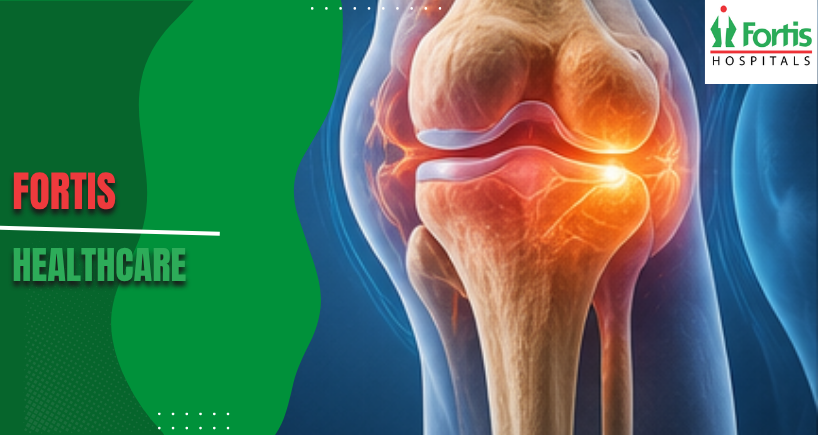


Understanding Osteoarthritis Causes of Joint Wear and Effective Pain Relief Options
Your knees creak when you climb stairs. Your hands feel stiff in the morning. You reach for that jar and wince—not the sharp pain of an injury, but a dull, persistent ache that's become your new normal. If this sounds familiar, you might be experiencing osteoarthritis, one of the most common joint conditions affecting millions of adults worldwide.
Unlike the sudden onset of an injury, osteoarthritis develops quietly over time. It's not an inflammatory autoimmune condition—instead, it's the gradual breakdown of cartilage that cushions your joints. Understanding what causes it and exploring your treatment options can help you manage pain and maintain mobility for years to come.
What Is Osteoarthritis and Why Does It Develop?
Osteoarthritis (OA) is a degenerative joint disease where the protective cartilage covering the ends of your bones wears down over time. This cartilage acts as a shock absorber, allowing your joints to move smoothly. As it deteriorates, bones begin to rub against each other, causing pain, stiffness, and inflammation.
The process isn't sudden. It happens gradually over months or years. The joints most commonly affected include the knees, hips, spine, and hands—areas that bear weight or undergo repetitive motion.
What makes osteoarthritis different from other joint conditions is that it's primarily a mechanical problem, not an immune system disorder. This means the damage stems from wear and tear rather than your body attacking its own tissues.
Key Causes of Joint Wear and Osteoarthritis Development
Several factors contribute to cartilage breakdown and the development of osteoarthritis. Age and natural wear represent the strongest risk factors. Getting older is one of the strongest risk factors for osteoarthritis.
As you age, cartilage loses its elasticity and becomes more prone to damage. Most people experience some degree of cartilage wear after age 50, though symptoms vary widely. The aging process affects cartilage at a cellular level—water content decreases, making the cartilage less resilient, and your body's ability to repair damaged cartilage declines with age.
Excess body weight puts additional stress on weight-bearing joints like the knees, hips, and lower spine. Research shows that being overweight increases your risk of osteoarthritis by up to 10 times in the knees alone. Beyond the mechanical stress, excess adipose tissue produces inflammatory chemicals called cytokines. These substances can accelerate cartilage breakdown throughout your body, even in joints not directly affected by the extra weight.
A past injury—whether from sports, accidents, or surgery—significantly increases your osteoarthritis risk. Even if you recovered well from the initial injury, damage to cartilage may develop years later. Injuries that affect cartilage surfaces are particularly problematic because cartilage has limited ability to heal itself. Once damaged, it doesn't regenerate as easily as other tissues in your body.
Jobs or hobbies involving repetitive joint movements can accelerate cartilage wear. Construction workers, athletes, and those with repetitive lifting tasks face higher osteoarthritis risk in affected joints.
Occupational osteoarthritis typically develops in the specific joints used most frequently. For example, professional pitchers often develop shoulder osteoarthritis, while postal workers may experience knee and hip problems.
Osteoarthritis runs in families. If your parents or siblings have OA, your risk increases. Genetic factors influence cartilage structure, bone density, and your body's inflammatory response—all of which affect OA development. However, genetics isn't destiny. Lifestyle modifications can slow progression even if you have a family history of the condition.
Recognizing Osteoarthritis Symptoms
Early recognition helps with timely management. Common osteoarthritis symptoms include:
- Joint pain that worsens with activity and improves with rest initially, though advanced cases may hurt even at rest.
- Stiffness, especially in the morning or after periods of inactivity, improves as you move.
- Reduced range of motion makes certain movements difficult or impossible.
- Joint swelling caused by inflammation and fluid accumulation occurs.
- Bone spurs or hard lumps form around the affected joint.
Symptoms typically develop gradually and worsen over months or years. The progression varies significantly—some people experience slow changes over decades, while others notice faster deterioration.
Effective Pain Relief and Management Options
Managing osteoarthritis involves a multi-pronged approach combining lifestyle changes, physical therapy, medications, and sometimes surgical intervention.
- Weight management reduces stress on joints and decreases inflammatory markers.
- Even a 5% weight loss can significantly reduce pain and improve joint function.
- Regular low-impact exercise like swimming, walking, or cycling strengthens muscles around joints, improving stability and reducing pain.
- Hot and cold therapy provides temporary relief—heat reduces stiffness while cold reduces swelling.
A physical therapist can design a personalized exercise program targeting your affected joints. Strength training builds the muscles supporting joints, reducing the load on cartilage. Flexibility exercises maintain range of motion and prevent stiffness. Regular movement, even when experiencing mild discomfort, actually helps manage osteoarthritis better than complete rest. Movement maintains joint lubrication and prevents further stiffness.
Over-the-counter pain relievers like acetaminophen or nonsteroidal anti-inflammatory drugs (NSAIDs) such as ibuprofen and naproxen provide temporary pain relief. Topical creams containing NSAIDs or capsaicin offer localized relief without systemic effects. Intra-articular injections of corticosteroids or hyaluronic acid provide temporary relief lasting weeks to months.
When conservative treatments aren't sufficient, surgical options exist. Arthroscopy removes loose cartilage fragments causing pain. Joint replacement surgery replaces severely damaged joints with artificial ones, providing significant pain relief and improved function for many patients.
Supporting Your Joints Long-Term
Managing osteoarthritis is an ongoing process. Maintain regular communication with your healthcare provider about pain levels and functional changes. Continue exercise even when pain improves, as consistency prevents stiffness and deterioration. Anti-inflammatory nutrition—emphasizing omega-3 fatty acids, antioxidants, and reducing processed foods—supports joint health from within. Getting adequate sleep helps your body manage pain and maintain immune function.
Medical Disclaimer
Medical Disclaimer: This article is for informational purposes only and is not a substitute for professional medical advice, diagnosis, or treatment. Always consult a qualified healthcare provider.
Categories
Clear allMeet the doctor

- Orthopaedics | Orthopaedics | Orthopaedics and Joint Replacement | Sports Medicine
-
 30 Years
-
 850
850
Related Blogs
View all



FAQs
Can osteoarthritis be completely cured?
No, cartilage doesn't regenerate. Symptoms effectively managed through treatment and lifestyle changes.
How is osteoarthritis different from rheumatoid arthritis?
OA is wear-and-tear; RA is autoimmune affecting multiple joints symmetrically with systemic symptoms.
What's fastest way to get pain relief?
Combine NSAIDs, heat/cold therapy, gentle movement, and intra-articular injections for immediate relief.
Will I definitely need joint replacement surgery?
Not necessarily. Most manage successfully without surgery through exercise, weight management, medications.

Keep track of your appointments, get updates & more!

