


Unveiling Cerebral Infarction: Symptoms, Treatment, and Prevention
The sudden onset of confusion, a slurring of words, or an abrupt weakness on one side of the body can be a terrifying and disorienting experience. These are not random events but are often the urgent signals of a medical emergency unfolding within the brain. This event is known as a cerebral infarction, a term that describes the most common type of stroke.
It is a moment when time is absolutely critical, and understanding what is happening can empower you to act decisively for yourself or a loved one. Recognizing the signs and knowing the importance of immediate medical help can profoundly influence the outcome.
What Is a Cerebral Infarction?
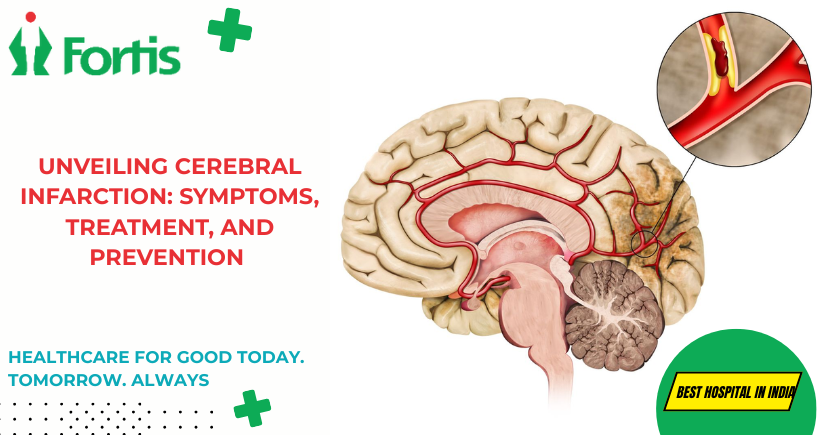
A cerebral infarction is the medical term for tissue death that occurs in the brain when its blood supply is cut off. The brain is an incredibly active organ, demanding about 20 percent of the body's oxygen and blood flow. When a blood vessel supplying a specific area of the brain becomes blocked, those brain cells are starved of the oxygen and nutrients they need to survive. Within minutes, these cells begin to die. This area of damaged tissue is known as an infarct in brain tissue. This is the underlying event in what is known as an ischemic stroke, which accounts for the vast majority of all strokes. The location and size of the infarct determine the specific neurological functions that are affected.
The Two Primary Causes of Blockage
The blockage that leads to a cerebral infarction is almost always caused by a blood clot. These clots can form in one of two ways, which helps neurologists classify the type of ischemic stroke.
A Thrombotic Stroke
In a thrombotic stroke, the blood clot, or thrombus, forms directly within one of the arteries that supplies blood to the brain. This process is usually the result of atherosclerosis, a condition where fatty deposits called plaques build up on the inner walls of the arteries over many years. These plaques can cause the arteries to narrow and harden, and if one of these plaques ruptures, the body's clotting system will form a clot on its surface, which can grow large enough to completely block blood flow.
An Embolic Stroke
In an embolic stroke, the blood clot forms in another part of the body, breaks loose, and travels through the bloodstream until it becomes lodged in one of the brain's narrower arteries. The most common source of these emboli is the heart, particularly in individuals who have a heart rhythm disorder called atrial fibrillation. This condition allows blood to pool in the heart's upper chambers, making it more likely for clots to form, which can then be pumped out toward the brain.
Recognizing The Sudden Warning Signs
The symptoms of an acute cerebral infarction appear suddenly and without warning. The specific symptoms depend on which part of the brain is being affected. The key to recognition is the suddenness of change. A helpful way to remember the most common signs is with the acronym F.A.S.T.
Face Drooping: One side of the face may droop or feel numb. When asked to smile, the smile may be uneven or lopsided.
Arm Weakness: One arm may feel weak or numb. When asked to raise both arms, one arm may drift downward.
Speech Difficulty: Speech may be slurred. The person may be unable to speak or may be difficult to understand. They may also have trouble understanding what others are saying.
Time to Call Emergency Services: If you see any of these signs, even if the symptoms go away, it is a medical emergency. Call for an ambulance immediately.
Other sudden symptoms can include numbness or weakness in a leg, sudden confusion, trouble seeing in one or both eyes, sudden dizziness or loss of balance, and a sudden, severe headache with no known cause.
The Critical Importance of Time
When it comes to treating a cerebral infarction, there is a universal mantra among medical professionals: "time is brain." For every minute that blood flow is blocked, millions of brain cells are lost, and the risk of permanent disability or death increases. The window of opportunity for the most effective treatments is very narrow. Immediate medical attention is not just a suggestion; it is the most critical factor in determining the potential for recovery.
Calling emergency medical services is the best first step, as they can begin life-saving care on the way to the hospital and ensure you are taken to a center best equipped to handle a stroke.
The Path to a Swift Diagnosis
Upon arrival at the emergency department, a specialized team will move quickly to confirm the diagnosis. A doctor will perform a rapid physical and neurological exam to assess your symptoms, reflexes, and mental alertness. However, the most definitive diagnostic tool is brain imaging. A non-contrast computed tomography (CT) scan is usually the first test performed.
It is very fast and can effectively rule out a hemorrhagic stroke, which is a stroke caused by bleeding in the brain and requires a completely different treatment approach. An MRI scan may be performed later as it provides a more detailed picture of brain tissue and can pinpoint the exact location and extent of the infarct in brain tissue.
Modern Approaches to Treatment
The strategy for cerebral infarction treatment is twofold. The first priority is to restore blood flow to the brain as quickly and safely as possible. The second phase involves long-term recovery, rehabilitation, and preventing another stroke from occurring.
Acute Stroke Treatment
For an acute cerebral infarction, there are two primary treatments. A "clot-busting" drug called tissue plasminogen activator (tPA) can be administered intravenously. This medication works by dissolving the clot and restoring blood flow, but it must be given within a few hours of the first symptoms. For larger clots, or for patients who cannot receive tPA, a procedure called a mechanical thrombectomy may be an option. In this procedure, a doctor threads a catheter through an artery, usually in the groin, up to the blocked artery in the brain to physically retrieve the clot.
Long-Term Management and Rehabilitation
The focus of chronic infarct brain treatment is on recovery and prevention. After the acute phase, medications are prescribed to reduce the risk of another clot forming. These may include antiplatelet drugs like aspirin or anticoagulants for those with atrial fibrillation. Managing risk factors is also crucial, so medications to control high blood pressure, lower cholesterol, and manage diabetes are essential parts of the long-term plan. Rehabilitation is a cornerstone of recovery and can include physical therapy to regain strength and balance, occupational therapy to relearn daily activities, and speech therapy to address language difficulties.
A Proactive Stance on Prevention
While not every stroke can be prevented, you can significantly lower your risk by managing key health factors. Up to 80 percent of strokes are preventable through a combination of healthy lifestyle choices and medical management. This includes eating a balanced diet, engaging in regular physical activity, quitting smoking, and managing conditions like high blood pressure, high cholesterol, and diabetes in close partnership with your doctor.
Partnering In Your Neurological Health
Understanding the signs of a cerebral infarction is a powerful form of preventative medicine for your entire community. Recognizing the urgency and acting quickly can dramatically alter the course of someone's life, preserving function and independence.
This knowledge empowers you to be a proactive advocate for your own health and the health of those you care about. By managing risk factors and knowing when to seek emergency help, you play a vital role in the fight against stroke.
Frequently Asked Questions
Q1. What is the difference between a cerebral infarction and a hemorrhagic stroke?
Ans. A cerebral infarction is an ischemic stroke, caused by a blockage that stops blood flow. A hemorrhagic stroke is caused by a ruptured blood vessel that bleeds into the brain. While some symptoms overlap, they require opposite treatments, which is why a brain scan is the first step in diagnosis.
Q2. Can a person fully recover from a cerebral infarction?
Ans. Recovery is a highly individual process and depends on the severity and location of the stroke and how quickly treatment was received. Many people go on to live full, independent lives, while others may have lasting disabilities. Rehabilitation plays a massive role in maximizing recovery potential.
Q3. What does a chronic infarct in the brain mean for the long term?
Ans. A chronic infarct in brain tissue refers to the area of the brain that was permanently damaged by the stroke. The focus of chronic infarct brain treatment is not to reverse this damage but to help the brain adapt, manage any resulting disabilities through therapy, and aggressively prevent a future stroke.
Q4. Is an acute cerebral infarction always preventable?
Ans. While managing risk factors like high blood pressure and an unhealthy lifestyle can dramatically reduce your risk, some strokes can occur due to unmodifiable factors like age, family history, or certain genetic conditions. However, the majority of strokes are linked to preventable causes.
Categories
Clear allRelated Blogs
View all


Keep track of your appointments, get updates & more!

