
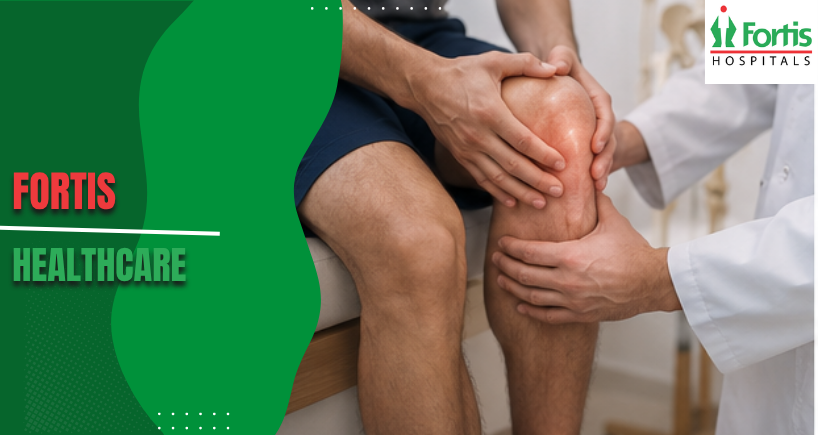


The Value of Early Diagnosis When to Consult a Bone Specialist for Optimal Health
Bone health is fundamental to maintaining an active, pain-free lifestyle. Yet many people ignore early warning signs, postponing orthopedic consultation until conditions become severe. Understanding when to visit a bone specialist can be life-changing, preventing disability and preserving mobility for years to come.
The musculoskeletal system—comprising bones, joints, cartilage, muscles, and ligaments—supports every movement you make. When issues arise, early intervention through orthopedic diagnosis makes a tremendous difference. This comprehensive guide explores why early bone health assessment matters and how consulting a bone specialist at the right time can transform your health outcomes.
Understanding Bone Health and Orthopedic Medicine
What Does a Bone Specialist Do?
A bone specialist, or orthopedic surgeon, is a medical professional specializing in diagnosing, treating, and preventing diseases affecting the musculoskeletal system. These specialists handle everything from sports injuries to degenerative bone conditions, fracture management, and joint replacement surgeries.
Orthopedic specialists undergo extensive training in bone anatomy, biomechanics, and surgical techniques. They combine conservative treatment methods with advanced surgical options to provide comprehensive care tailored to each patient's needs.
The Importance of Early Orthopedic Assessment
Early bone health screening identifies problems before they worsen. Many bone disorders progress silently—you might not realize significant damage has occurred until mobility decreases substantially. Conditions like osteoporosis weaken bones gradually, increasing fracture risk without obvious symptoms initially.
Consulting a bone specialist early allows for:
- Preventive strategies reducing disease progression
- Conservative treatment options avoiding unnecessary surgery
- Accurate diagnosis through advanced imaging
- Personalized rehabilitation programs restoring function
- Long-term health planning maintaining quality of life
Common Conditions Requiring Bone Specialist Consultation
Orthopedic Conditions Demanding Expert Care
Arthritis and Joint Degeneration: Osteoarthritis affects millions, causing joint pain, stiffness, and reduced mobility. Early orthopedic intervention through physical therapy and targeted treatments can slow progression significantly.
Sports Injuries and Ligament Damage: Athletes and active individuals often sustain ACL tears, meniscus injuries, or shoulder impingement. Sports medicine specialists provide advanced treatments including arthroscopic surgery and biological therapies.
Spine Disorders and Back Pain: Chronic back pain often indicates spinal stenosis, herniated discs, or degenerative disc disease. Spine specialists offer both conservative management and surgical solutions when necessary.
Fractures and Bone Breaks: Proper fracture management ensures correct healing and prevents complications. Orthopedic surgeons employ various techniques from internal fixation to external stabilization.
Osteoporosis and Bone Weakness: This silent disease weakens bones progressively. Early detection through bone density screening enables preventive measures, reducing fracture risk substantially.
Warning Signs You Need to Consult a Bone Specialist
When Should You Schedule an Orthopedic Appointment?
Persistent joint pain lasting more than two weeks without improvement warrants orthopedic evaluation. Don't ignore swelling, redness, or warmth around joints—these indicate inflammation requiring professional assessment.
Reduced range of motion in shoulders, knees, or hips suggests underlying bone or joint pathology. If you experience weakness or instability making walking difficult, immediate bone specialist consultation is essential.
Previous fractures that healed poorly need orthopedic review to prevent future complications. Athletes experiencing sports injuries should seek early sports medicine consultation to prevent chronic issues.
Morning stiffness lasting over thirty minutes indicates potential arthritis requiring early intervention. Numbness or tingling in limbs might suggest nerve compression from spinal or joint issues, demanding prompt evaluation.
The Benefits of Early Bone Health Diagnosis
How Early Orthopedic Intervention Improves Outcomes
Prevention of disease progression: Early detection allows bone specialists to implement strategies halting or slowing condition advancement. Osteoporosis management started early prevents fractures; arthritis treatment initiated promptly preserves joint function.
Conservative treatment options: Many bone conditions respond well to non-surgical approaches like physical therapy, medications, and lifestyle modifications. Early consultation often avoids surgery necessity.
Better quality of life: Addressing bone health issues early maintains mobility, independence, and comfort. You continue enjoying activities you love without pain limiting you.
Reduced healthcare costs: Early treatment prevents expensive complications. A simple bone specialist consultation preventing surgery saves thousands in medical expenses.
Faster recovery: Early-stage bone conditions typically recover faster than advanced cases. Rehabilitation programs guided by specialists accelerate healing substantially.
Modern Orthopedic Treatment Options
Advanced Bone Specialist Procedures and Therapies
Minimally invasive arthroscopic surgery allows bone specialists to diagnose and treat joint problems through small incisions, reducing recovery time dramatically. Robotic-assisted orthopedic surgery enables precision impossible through traditional approaches.
Biological therapies including platelet-rich plasma and stem cell treatments promote natural healing without extensive surgery. Joint replacement surgery has become increasingly successful, with patients reporting excellent outcomes and restored mobility.
Physical rehabilitation programs supervised by specialists rebuild strength and flexibility. Custom orthotic devices and bracing solutions support joints during healing.
Finding the Right Bone Specialist
Choosing Your Orthopedic Doctor
Look for board-certified orthopedic surgeons with specialized training in your specific condition. Fellowship-trained specialists in areas like sports medicine, joint replacement, or spine surgery offer expertise in particular areas.
Consider hospitals with advanced orthopedic facilities, including modern imaging equipment and rehabilitation centers. Read patient reviews and success rates for specific procedures.
Location and accessibility matter—regular follow-ups are necessary. Don't hesitate asking about the bone specialist's experience with your particular condition.
Conclusion
Early orthopedic consultation is an investment in your long-term health and mobility. Whether experiencing joint pain, suspected fractures, or seeking preventive care, visiting a bone specialist promptly can prevent serious complications and preserve your quality of life. Don't let bone health issues worsen—take action today and schedule your orthopedic assessment with a qualified specialist.
Categories
Clear allMeet the doctor

- Orthopaedics | Orthopaedics | Orthopaedics and Joint Replacement | Sports Medicine
-
 30 Years
-
 850
850
Related Blogs
View all




FAQs
At what age should I see a bone specialist for osteoporosis screening?
Women should begin bone density screening at age 65; men at 70, or earlier if risk factors exist like family history or certain medications.
How long does physical therapy take after orthopedic surgery?
Most rehabilitation programs last 6-12 weeks, depending on surgery type, with gradual progression from basic mobility to full functional recovery.

Keep track of your appointments, get updates & more!

