


Valve Replacement in India - Understanding the Procedure Recovery and Follow-Up Care
Being told you need heart valve replacement can bring up many questions about what the actual surgery involves and what life looks like afterward. India's hospitals offer advanced valve replacement capabilities, and understanding the full journey, from procedure to long-term follow-up, can help patients and families feel more prepared.
This guide walks through what valve replacement surgery typically involves, what recovery looks like at each stage, and the ongoing follow-up care needed for lasting heart health.
Approaching this journey with clear expectations from the start often makes each stage of treatment and recovery feel more manageable.
Understanding Heart Valve Replacement
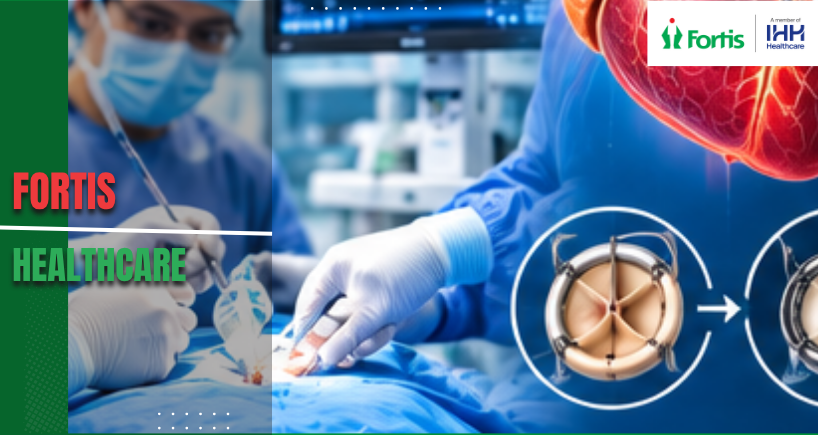
Heart valve replacement becomes necessary when a valve is too damaged, narrowed, or leaking to repair effectively, requiring replacement with either a mechanical valve or a biological valve made from animal or human tissue.
This procedure can be performed through traditional open-heart surgery or, for select patients, through minimally invasive transcatheter approaches that avoid the need for a large chest incision.
Choosing Between Mechanical and Biological Valves
Mechanical valves are highly durable, often lasting a lifetime, but require lifelong blood-thinning medication to prevent clot formation on the valve surface, which comes with its own bleeding risk considerations.
Biological valves don't require long-term blood thinners but generally have a more limited lifespan, sometimes needing replacement after 10 to 20 years depending on the specific valve and patient factors.
This choice is typically made collaboratively with your cardiac surgeon, considering factors like your age, lifestyle, other health conditions, and personal preferences regarding long-term medication versus potential future replacement.
Younger patients often lean toward mechanical valves given their durability, while older patients may prefer biological valves to avoid long-term blood-thinning medication, though this is always individualized.
The Surgical Procedure
Traditional open-heart valve replacement involves accessing the heart through the chest, typically using a heart-lung machine to temporarily take over circulation while the surgeon removes the damaged valve and secures the replacement in place.
Minimally invasive transcatheter procedures, like TAVR for aortic valve replacement, deliver the new valve through a catheter, typically inserted through a blood vessel in the leg, avoiding the need for open chest surgery.
The specific approach recommended depends on your particular valve condition, overall health, and surgical risk factors, carefully assessed by your cardiac team before determining the most appropriate technique.
Immediate Post-Surgery Recovery
After open-heart valve surgery, patients typically spend one to two days in the cardiac ICU for close monitoring, followed by several more days in a regular cardiac recovery ward before discharge, usually within seven to ten days total.
Minimally invasive transcatheter procedures generally involve a notably shorter hospital stay, sometimes just a few days, given the less invasive nature of the approach.
Early mobilization, pain management, and monitoring for any signs of complications form the core of this initial recovery period, regardless of which surgical approach was used.
Recovery Timeline and Rehabilitation
Full recovery from traditional open-heart valve surgery typically takes six to eight weeks, while transcatheter procedures often allow for a notably faster return to normal activities, sometimes within a couple of weeks.
Cardiac rehabilitation, involving supervised exercise, dietary guidance, and education on managing heart health long-term, plays an important role in recovery regardless of which surgical approach was used.
Most patients gradually resume normal daily activities over this recovery period, though driving and more strenuous activities typically require specific clearance from your surgical team based on your individual healing progress.
Long-Term Follow-Up Care
Regular follow-up appointments, including periodic echocardiograms to monitor valve function, are essential for years following valve replacement, helping catch any potential issues early.
Patients with mechanical valves require ongoing blood tests to monitor blood-thinning medication levels, ensuring the dose remains appropriately balanced between preventing clots and avoiding excessive bleeding risk.
Maintaining good dental hygiene and informing healthcare providers about your valve replacement before any future procedures is also important, given the increased infection risk to heart valves that certain procedures can carry.
Living Well After Valve Replacement
With appropriate long-term follow-up and adherence to any required medication, most patients who undergo valve replacement return to a full, active lifestyle. Understanding the ongoing nature of this care, rather than viewing surgery as a single, isolated event, helps support the best possible long-term outcomes.
Categories
Clear allRelated Blogs
View all








FAQs
How long does valve replacement surgery take?
Traditional open-heart valve surgery typically takes three to five hours, while transcatheter procedures are often shorter, around one to two hours.
What is the difference between mechanical and biological valves?
Mechanical valves last longer but require lifelong blood thinners; biological valves don't need blood thinners but may need eventual replacement.
How long is hospital stay after valve replacement?
Open-heart surgery typically requires seven to ten days in the hospital, while minimally invasive procedures often involve shorter stays.
Is follow-up care needed after valve replacement?
Yes, regular echocardiograms and, for mechanical valves, blood tests are needed for years to monitor valve function and medication levels.

Keep track of your appointments, get updates & more!

