
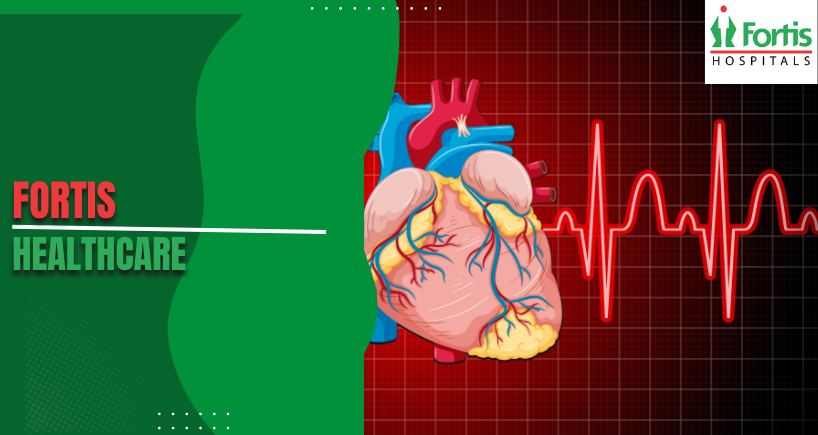


Ventricular Tachycardia: When a Fast Heartbeat Becomes Dangerous
A pulse racing violently while you sit quietly watching television shatters your basic physical safety entirely. Healthy human bodies simply never rebel like this. Ignoring that terrifying internal drumbeat becomes completely impossible when your systemic blood circulation drops heavily without offering any prior medical warning.
When those complex electrical pathways short-circuit, the thick lower muscular walls flutter uselessly. They stop squeezing firmly. Specialists practicing advanced Cardiology hunt these erratic firing patterns down aggressively. Fixing the hidden circuitry defect requires mapping exactly where those microscopic rogue signals originate inside the muscle.
How Erratic Electrical Speed Destroys Pumping Mechanics
Normal cardiac muscles demand a precise fraction of a second to relax properly. They need adequate time to stretch outward. When errant electrical signals force these ventricles to contract hundreds of times per minute, that necessary filling phase vanishes entirely. The heavy organ simply squeezes empty space instead.
This profound biological inefficiency explains why patients feel physically devastated almost instantly. Oxygen reserves vanish quickly. Sustaining those impossibly fast muscular contractions burns through cellular energy while failing to deliver any new blood outward to your limbs. This dangerous paradox strains your entire cardiovascular system heavily every passing second.
Spotting the Sudden Drop in Arterial Pressure
Panic attacks make you breathe faster naturally, but true arrhythmias generate massive systemic warning signals instantly. Never ignore crushing chest pressure. Patients frequently experience severe lightheadedness that makes standing upright nearly impossible because their brain lacks oxygen. Recognizing these specific ventricular tachycardia symptoms prevents catastrophic medical delays.
Visual disturbances frequently follow right behind that initial wave of intense dizziness. The room suddenly goes dark. Some individuals lose consciousness entirely within seconds of the erratic rhythm starting, completely bypassing those earlier warning signs. Experiencing an unexplained fainting episode demands immediate neurological evaluation before driving again.
Damaged Muscle Tissue Generating Errant Electrical Signals
Healthy heart muscle conducts natural impulses smoothly along highly organized biological pathways. Everything normally moves in perfect synchronization. When massive previous heart attacks leave sections of dense scar tissue behind, these normal electrical currents hit physical roadblocks. The disrupted energy scatters chaotically. These signals loop continuously around dead tissue relentlessly.
Dilated cardiomyopathy involves the physical stretching and weakening of the actual heart walls. The structural geometry completely changes forever. As the muscular chambers balloon outward, deeply embedded conduction fibers stretch far beyond their natural capacity. This physical distortion directly drives the fast heartbeat disorder by forcing tissues to misfire randomly.
Capturing the Invisible Electrical Storm on Screen
Catching this unpredictable rhythm on a standard clinic monitor proves incredibly difficult for busy doctors. The chaotic rhythm hides remarkably well between visits. Clinicians utilize sophisticated continuous wearable monitors that record every single heartbeat across multiple weeks of your normal daily activity. These digital devices capture the exact moment trouble begins.
Specialists occasionally induce the rhythm artificially inside highly controlled hospital environments. They literally force the heart to misfire safely. Teams handling these complex disturbances utilize advanced electrophysiology mapping to locate exact electrical short circuits. Pinpointing the microscopic origin remains absolutely necessary before attempting structural repairs.
Breaking the Chaotic Loop With Intravenous Medications
Arriving at the local hospital trapped in this chaotic rhythm makes stabilizing your blood pressure the absolute priority. Doctors must break the loop immediately. Intravenous medications forcefully alter the movement of sodium and potassium across your cellular membranes. This sudden chemical reset restores normal pacing before the organs starve.
Electricity works significantly faster than any drug if those initial medications fail to restore normal conduction. Resuscitation requires immediate action. A synchronized external shock briefly halts all electrical activity in the chest, wiping the chaotic signals completely clean. This dramatic intervention resets the organ precisely, allowing normal coordinated pumping.
Deploying Permanent Internal Defibrillator Technology
Oral medications alone rarely provide adequate protection against future electrical storms for patients carrying permanent structural damage. Pharmacy pills eventually wear off. Implantable cardioverter-defibrillators act as continuous internal paramedics, monitoring every single heartbeat twenty-four hours a day. The tiny device delivers a restorative shock whenever a cardiac rhythm emergency develops.
These small titanium devices sit securely beneath your collarbone permanently. They wait silently for a sudden crisis. By connecting directly to the inner walls of the right ventricle, this advanced technology provides profound psychological relief for utterly terrified families. You simply stop fearing falling asleep at night.
Burning the Faulty Wires Using Catheter Ablation
Destroying the specific tissue causing the electrical loop becomes highly necessary when implantable devices trigger too frequently. Surgeons must burn the faulty wires internally. Electrophysiologists thread highly flexible catheters through the vascular system directly into the affected lower chambers. They deliberately scar the microscopic area where the dangerous signals originate.
This highly targeted destruction creates a permanent physical barrier that stops the chaotic electrical loops from sustaining themselves again. The new scar tissue blocks the signal completely. Successful ablation dramatically reduces a patient's heavy reliance on toxic anti-arrhythmic medications. The complex procedure transforms a highly volatile condition into manageable mechanics.
Adjusting Daily Habits to Calm the Grid
Your daily choices actively protect your vulnerable heart from misfiring unexpectedly. Heavy alcohol consumption directly poisons the myocardial cells. This chemical exposure makes the entire electrical conduction system noticeably more irritable and prone to skipping beats. Eliminating harsh stimulants drastically reduces the baseline stress placed on the ventricular tissue entirely.
Maintaining perfect electrolyte balance through proper hydration keeps your cellular membranes highly stable and resistant to misfiring. Sleep matters significantly more than most patients think. Chronic sleep deprivation elevates circulating stress hormones that constantly bombard the organ with inappropriate acceleration commands. Tracking your triggers actively keeps your cardiovascular system incredibly safe.
Categories
Clear allRelated Blogs
View all






FAQs
What specific physical activities should patients completely avoid after receiving defibrillators?
Patients must permanently avoid heavy contact sports and environments containing powerful industrial magnetic fields.
How does a patient actually feel when an internal defibrillator fires?
Most individuals describe the sudden electrical intervention as feeling exactly like a swift, hard chest kick.
Why do severe psychological panic attacks mimic this dangerous rapid heartbeat?
Panic artificially increases normal adrenaline levels, but true ventricular arrhythmias always require underlying structural cardiac damage.
How long does a complex catheter ablation procedure typically take to finish?
Mapping and destroying the precise electrical pathways typically requires four to six hours inside the laboratory.
When should someone call an ambulance for sudden unexpected chest palpitations?
Immediate emergency transport is absolutely required if the racing pulse accompanies severe dizziness, fainting, or breathlessness.

Keep track of your appointments, get updates & more!

