
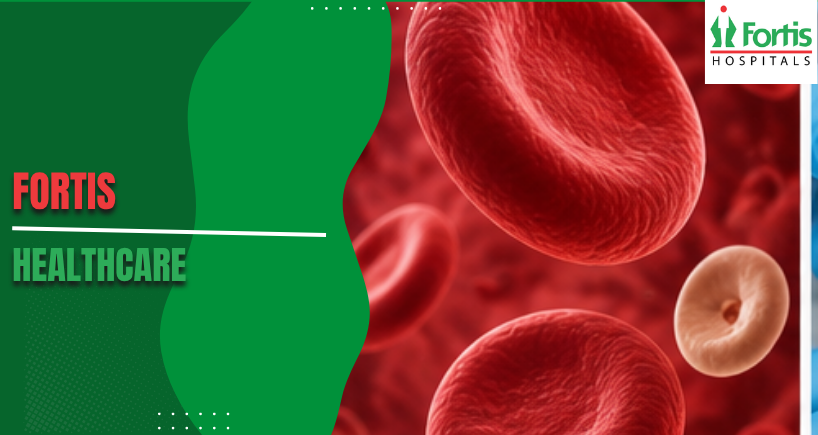


Vitamin B12 and Folate Deficiency A Quiet Trigger Behind Low Hemoglobin
Most people associate low hemoglobin with iron deficiency. It is the easiest conclusion to make, and doctors hear it often. But quite a few cases tell a different story. A person feels unusually tired, maybe they climb stairs slower, maybe they forget words mid sentence, and a simple blood test later shows anemia — though iron is absolutely fine. This is where vitamin B12 and folate quietly walk into the center of the picture, because without them your body struggles to produce enough healthy red blood cells. It is almost like trying to run a factory with no raw material. Work slows, output drops, and oxygen delivery suffers little by little.
The strange part is that many do not realise this deficiency for months, even years. The body adjusts so slowly that fatigue becomes normal. Some people think age is catching up, or that stress is to blame. But sometimes the reason is simpler than anyone expects.
Let us take this slowly. No rush, no jargon. Just a clear human explanation of how vitamins affect blood, why hemoglobin falls even when diet seems okay, and how doctors usually fix this quietly reversible problem.
What Vitamin B12 Actually Does Inside Your Body
Think of vitamin B12 as a tool the body uses to build red blood cells. Without it, cells formed in bone marrow turn large, fragile and less efficient at holding hemoglobin. These incomplete cells die earlier as well, which means fewer oxygen carriers circulating. Over time this shows up as low energy, pale skin, weakness or sometimes just dull thinking.
Folate works in a similar pathway. If B12 and folate drop together, blood production slows even more. These deficiencies fall under macrocytic anemia — a fancy term you do not really need to memorise, except to know that cells become big but weak.
Food sources? B12 mostly exists in animal proteins. Meat, milk, eggs, cheese — that is where it hides. Folate is different; greens, beans, citrus fruits carry it fairly well. This is why vegetarians sometimes struggle more with B12 specifically, while folate can drop with poor nutrition, alcohol use or pregnancy demands.
You might be surprised how many people google reasons for low hemoglobin or causes of low red blood cells and never consider vitamin deficiency. It is more common than most think.
Why B12 and Folate Deficiency Develop Quietly
Unlike sudden bleeding, vitamin deficiency anemia usually creeps in slowly. Bone marrow continues working, but sluggishly. A person cannot feel the process happening. Exhaustion feels like life, not illness.
Here is a table that simplifies this gradual decline:
Stage
What Happens in the Body
How You Might Feel
Early deficiency
Production slows slightly
No symptoms or just mild tiredness
Moderate deficiency
Red cells become large & fewer
Breathlessness on exertion, weakness
Long standing deficiency
Nerves affected, hemoglobin drops further
Tingling in hands, memory lapses, pale skin
Now, why does this happen?
- Low dietary intake (common in vegetarian diets)
- Poor stomach acid or intrinsic factor loss
- Chronic gastritis and gut disorders
- Excess alcohol reducing folate stores
- Medications that block absorption
- Age related malabsorption — especially relevant for causes of low hemoglobin in elderly
Sometimes, elderly eat fairly well yet B12 remains low because their stomach simply absorbs it poorly. That is why awareness matters.
How This Leads to Low Hemoglobin Even When Iron is Normal
This part confuses many people. They take iron tablets, eat jaggery, spinach, supplements and still feel breathless. Hemoglobin barely rises. That is because iron is only one ingredient in red cell production. Think of iron as fuel. B12 and folate are the machine that shapes red blood cells. You can not run production on fuel alone.
This is why doctors re-evaluate patients whose hemoglobin does not improve after iron therapy. The moment vitamin levels are corrected, blood parameters brighten gradually. Not instantly, but clearly.
Some warning signs that suggest vitamin deficiency anemia more than iron deficiency include:
- Tingling or numb fingers
- Mood swings
- Memory dullness
- Burning sensation on tongue
- Loss of appetite
- Unsteady balance in severe cases
Not everyone gets all symptoms. Some only feel unusually sleepy. Others present with headaches and dizziness. Variation is wide, which is why a test is always safer than guessing.
Testing, Diagnosis and The Usual Medical Approach
Doctors begin with a simple CBC. If cell size looks larger than normal and hemoglobin remains low, B12 and folate levels are checked. Sometimes homocysteine or methylmalonic acid testing provides extra clarity when results look borderline.
Treatment is thankfully straightforward for most patients.
If deficiency is mild:
- Dietary improvement
- B12 tablets or sublingual formulations
- Folate supplements
- Regular monitoring
If absorption is poor:
- Intramuscular B12 injections work better
- Folate given along with B12 to avoid masking problems
- Gut disorders treated alongside deficiency
Recovery feels gradual, not dramatic. Some people report clearer thinking within weeks. Hemoglobin rises over one to three months depending on severity. Nerve symptoms take longer, which is why delayed diagnosis is something worth avoiding.
Patients often ask how long they must continue medication. There is no one answer. Some need B12 lifelong in spaced doses. Others only need correction once dietary patterns stabilise. A follow up test is usually repeated to confirm progress.
Diet That Supports Red Cell Recovery
This does not require a fashionable diet. Just practical nutrition.
Foods Rich in B12:
- Milk, curd, paneer
- Eggs
- Fish, chicken (for non vegetarians)
- Fortified cereals if meat free lifestyle
Foods Rich in Folate:
- Spinach, methi, mustard greens
- Pulses, chana, kidney beans
- Beetroot, broccoli, avocado
- Oranges, papaya
One helpful pattern doctors often suggest is to mix B12 and folate rich elements daily instead of once in a while. Consistency builds reserves quietly. Hydration also helps circulation and absorption.
A small note worth remembering — if you rely heavily on tea or coffee, avoid them right alongside meals because absorption may drop slightly. Waiting one hour before or after meals is usually better.
Why Addressing This Early Matters
If deficiency continues for long enough, nerve involvement may become harder to reverse. That is when tingling, slow reflexes or unsteady balance appear. Hemoglobin alone does not indicate neurological health. B12 has a separate role in myelin formation which protects nerves. In elderly patients, ignoring deficiency can accelerate cognitive dullness. So early correction is not just about fixing anemia. It protects brain and nerves too.
People often ask whether supplements are safe long term. In general, yes. B12 is water soluble. Excess usually flushes out. Folate also carries low toxicity when monitored correctly. Still, self medication without diagnosis is not ideal. Blood tests guide dosage better than guesswork.
A small but important reminder — many people search for reasons for low hemoglobin and think iron is everything. If iron tablets never seem to help, let B12 and folate evaluation be your next step.
Closing Thought
Low hemoglobin is not always loud. It whispers. It slows stamina before it alarms. And for many, the whisper begins with vitamin B12 or folate deficiency, not iron loss. Once identified, this form of anemia responds quite well to correction. Food, supplementation and monitoring guide most people back to strength.
If fatigue, numbness or cognitive slowdown stay for weeks, consider medical evaluation rather than adjusting blindly. A simple test often answers months of confusion.
You may discuss testing and treatment options with specialists at Best Hospital In India for a personalised plan that suits your diet, age and medical profile.
Categories
Clear allRelated Blogs
View all




FAQs

Keep track of your appointments, get updates & more!

