
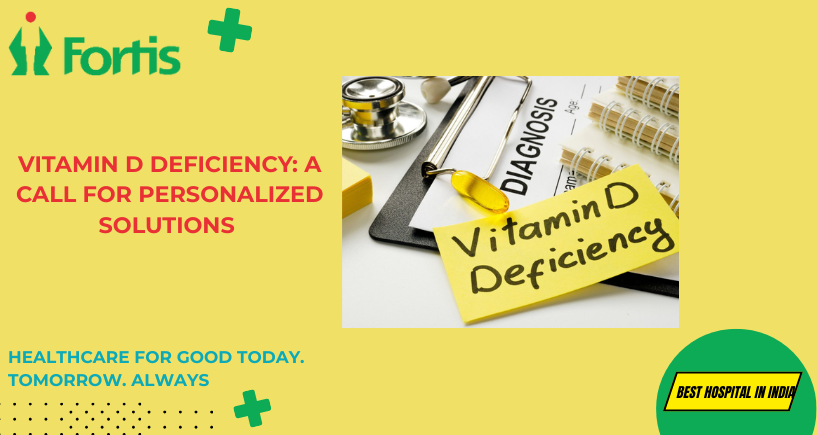


Vitamin D Deficiency: A Call for Personalized Solutions
In the vast world of nutrients essential for human health, Vitamin D holds a unique and powerful status. Often called the "sunshine vitamin," its production is intrinsically linked to our exposure to sunlight, making it distinct from any other vitamin. Despite its fundamental importance, a staggering number of people worldwide are living with a vitamin D deficiency. This silent epidemic is a significant public health concern, contributing to a wide range of health issues that go far beyond weak bones.
The conversation around vitamin deficiency has become more prominent, yet many people remain unaware of their own status. Symptoms can be subtle and easily dismissed, while the risks of long-term deficiency are substantial. Addressing low vitamin D is not as simple as just taking a generic supplement; it requires a personalized approach. Understanding your individual risk factors, recognizing the symptoms, and pursuing a tailored vitamin D deficiency treatment plan with your doctor is the key to restoring optimal health and well-being.
The Many Roles of the Sunshine Vitamin
For decades, Vitamin D was primarily associated with bone health. Its critical role is to help the body absorb calcium and phosphorus from the gut, two minerals that are essential for building and maintaining a strong skeleton. Without enough Vitamin D, the body cannot effectively absorb calcium, which can lead to conditions like rickets in children and osteomalacia (soft bones) in adults.
However, modern research has illuminated the fact that Vitamin D's influence extends to nearly every system in the body. Receptors for Vitamin D are found in cells and tissues throughout the body, indicating its widespread importance. Some of its other crucial functions include:
Supporting Immune Function: It plays a vital role in modulating the immune system, helping to fight off infections and potentially reducing the risk of autoimmune diseases.
Regulating Mood: There is a strong link between low Vitamin D levels and mood disorders, including depression.
Muscle Health: It is essential for muscle function, and a deficiency can lead to weakness and pain.
Cell Growth: It helps regulate the growth of cells, which is important for preventing abnormal cell proliferation.
Unmasking the Subtle Symptoms of Deficiency
One of the greatest challenges in diagnosing a vitamin D deficiency is that the symptoms are often non-specific and can be easily attributed to other causes like stress or a busy lifestyle. Many people may not have any noticeable symptoms at all.
However, some common signs that may indicate low vitamin D levels include:
General Fatigue and Tiredness: Feeling persistently exhausted is one of the most common complaints.
Bone and Back Pain: Aching bones, particularly in the lower back, can be a sign of inadequate Vitamin D.
Muscle Weakness and Pain: Unexplained muscle aches and a feeling of heaviness in the limbs.
Frequent Illnesses or Infections: As Vitamin D is crucial for immune health, getting sick often can be a red flag.
Depressed Mood: Low levels have been linked to seasonal affective disorder and major depression.
Impaired Wound Healing: A deficiency can slow down the body's natural healing processes after surgery or injury.
Hair Loss: While there are many causes for hair loss, some studies suggest a link to hair loss vitamin deficiency, particularly low Vitamin D.
Are You at Risk for Vitamin D Deficiency?
Several factors can increase a person's risk of developing a deficiency. These include:
Limited Sun Exposure: People who spend most of their time indoors, live in northern latitudes with less sunlight, or consistently use sunscreen are at high risk.
Darker Skin Tone: Melanin, the pigment that gives skin its color, reduces the skin's ability to produce Vitamin D from sunlight.
Age: As people get older, their skin becomes less efficient at producing Vitamin D.
Obesity: Vitamin D is fat-soluble, which means it can be stored in body fat. In individuals with obesity, the vitamin can become "trapped" in fat tissue, making it less available for use in the body.
Certain Medical Conditions: Digestive disorders like Crohn's disease or celiac disease can impair the intestine's ability to absorb Vitamin D from food.
The Importance of a Personalized Treatment Approach
Because individual needs vary so widely, a personalized approach to vitamin D deficiency treatment is essential. The first step is a simple blood test that measures the level of 25-hydroxyvitamin D in your blood. This test will determine if you are deficient and how severe the deficiency is.
Based on your results, your doctor will create a tailored plan that may include:
Supplementation: This is the most common treatment. Your doctor may prescribe a high-dose supplement for a period to quickly raise your levels, followed by a lower maintenance dose.
Sensible Sun Exposure: Your doctor can provide guidance on how to get safe, moderate sun exposure without increasing your risk of skin cancer.
Dietary Sources: While it is difficult to get enough Vitamin D from diet alone, incorporating foods like fatty fish (salmon, mackerel), fortified milk, and egg yolks can help.
A Note on Other Common Deficiencies
It is important to recognize that symptoms like fatigue and weakness can be linked to other nutrient shortfalls. A vitamin B deficiency, for instance, can cause similar issues. In particular, a B12 deficiency or vitamin B12 deficiency can lead to profound fatigue and neurological symptoms. If you are experiencing persistent tiredness, it is important for your doctor to consider a range of potential causes. Similarly, while some people explore vitamins for tinnitus, it is crucial to consult a healthcare professional, as there is no single proven vitamin cure for the condition.
Taking Control of Your Vitamin Status
Addressing a vitamin deficiency is a powerful step toward improving your overall health, energy levels, and long-term well-being. The key is to move beyond guesswork and self-prescribing.
A conversation with your doctor about your lifestyle and risk factors is the best place to start. A simple blood test can provide the clear answers you need to create a personalized, effective, and safe plan to restore your vitamin levels and protect your health for years to come.
Frequently Asked Questions
Q1. How much sun exposure do I need for Vitamin D?
Ans. This varies based on your skin type, geographical location, and the time of day. Generally, exposing your arms and legs to the sun for about 10-30 minutes, several times a week, especially between 10 a.m. and 3 p.m., is sufficient for most people with lighter skin.
Q2. Can I get enough Vitamin D from food alone?
Ans. It is very difficult for most people to get adequate Vitamin D from their diet. While foods like fatty fish, fortified milk, and cereals are good sources, supplementation is often necessary to correct a deficiency and maintain optimal levels.
Q3. What is the difference between Vitamin D2 and D3?
Ans. Vitamin D2 (ergocalciferol) is derived from plant sources, while Vitamin D3 (cholecalciferol) is produced by the skin in response to sunlight and is also found in animal-based foods. Studies show that Vitamin D3 is more effective at raising and maintaining blood levels of Vitamin D.
Q4. Are there any risks to taking too much Vitamin D?
Ans. Yes, it is possible to take too much Vitamin D, a condition known as vitamin D toxicity. This can lead to a buildup of calcium in the blood (hypercalcemia), which can cause nausea, weakness, and serious kidney problems. Always follow your doctor's dosage recommendations.
Q5. How is Vitamin D deficiency related to hair loss?
Ans. A hair loss vitamin deficiency, particularly low Vitamin D, can affect the growth of new hair follicles and disrupt the natural hair cycle. Restoring healthy Vitamin D levels under medical guidance may help improve hair strength and regrowth.
Categories
Clear allRelated Blogs
View all









Keep track of your appointments, get updates & more!

