
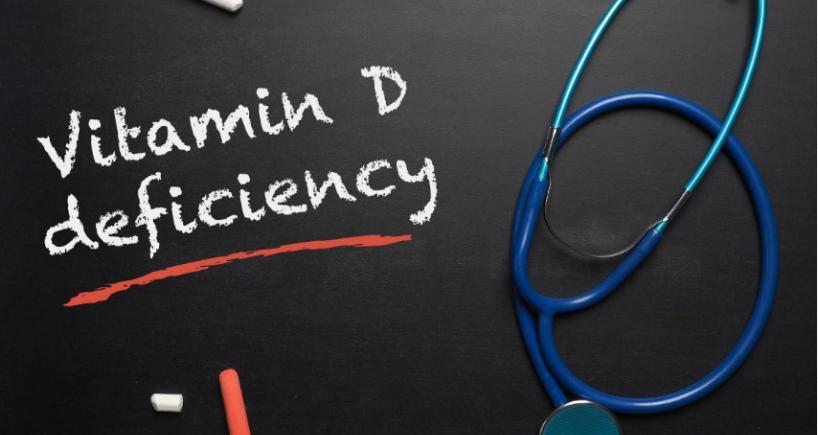


Vitamin D Deficiency - Symptoms Causes and Treatment
Medicine Made Simple
Quick Summary: Best Ways to Manage Vitamin D Deficiency Symptoms
- Vitamin D deficiency can cause fatigue, bone pain, weakness, and low immunity
- Lack of sunlight exposure is one of the most common causes
- Low Vitamin D affects bones, muscles, mood, and overall health
- Safe sunlight exposure helps improve Vitamin D levels naturally
- Foods like eggs, fish, and fortified milk support recovery
- Supplements may be needed in moderate to severe deficiency
- Seek medical help if symptoms become persistent or severe
Vitamin D is one of the most important nutrients for your body, yet many people do not realize they are deficient until symptoms start affecting daily life. It plays a major role in bone strength, muscle function, immunity, mood balance, and overall energy.
When Vitamin D levels become too low, the body struggles to absorb calcium properly, which can lead to weak bones, muscle pain, tiredness, and frequent illness. Many people ignore these symptoms because they develop slowly and may seem like normal fatigue or stress.
Vitamin D deficiency is common in people who spend less time in sunlight, have poor diet habits, work indoors, or have certain medical conditions, including concerns related to menopause symptoms and treatment in some individuals.
In this guide, we’ll explain the common Vitamin D deficiency symptoms, causes, treatment options, home remedies, and when medical help becomes necessary.
Let’s begin.
Synopsis
- Why Vitamin D Matters
- Common Causes of Vitamin D Deficiency
- 7 Effective Ways to Improve Vitamin D Levels
- Table: Quick Home Remedies for Vitamin D Deficiency
- Symptoms of Vitamin D Deficiency
- When to Seek Medical Help
- Best Supplements for Vitamin D Deficiency
- Frequently Asked Questions
- Conclusion
Why Vitamin D Matters
Vitamin D helps the body absorb calcium and phosphorus, which are essential for strong bones and teeth. It also supports muscles, nerves, and the immune system.
Healthy Vitamin D levels help with:
- Strong bones and joints
- Better muscle strength
- Reduced fatigue
- Improved immunity
- Better mood balance
- Healthy teeth
- Lower risk of fractures
Low Vitamin D can affect both physical and mental health if left untreated.
That is why understanding Vitamin D deficiency symptoms and treating them early is extremely important, especially in people experiencing Leg Weakness.
Common Causes of Vitamin D Deficiency
1. Lack of Sunlight Exposure
Sunlight is the main natural source of Vitamin D.
People who stay indoors most of the time may develop deficiency easily.
Common Risk Groups
- Office workers
- Elderly people
- People who avoid sun exposure
- Individuals living in low-sunlight areas
2. Poor Diet
Not eating enough Vitamin D-rich foods can reduce levels over time.
Common Low-Intake Foods
- Fish
- Eggs
- Fortified milk
- Mushrooms
- Dairy products
Following a healthy diet, including a diet chart for iron deficiency anemia, may support overall nutritional balance.
3. Darker Skin Tone
People with darker skin may need more sun exposure because melanin reduces Vitamin D production from sunlight.
4. Obesity
Excess body fat may reduce the body’s ability to use Vitamin D effectively.
5. Digestive Disorders
Conditions like Crohn’s disease, celiac disease, and liver problems can reduce Vitamin D absorption.
6. Kidney Problems
Kidneys help activate Vitamin D in the body. Poor kidney function may lead to deficiency.
7. Ageing
Older adults produce less Vitamin D naturally and often spend less time outdoors.
7 Effective Ways to Improve Vitamin D Levels
1. Get Safe Sunlight Exposure
Sunlight is the most natural way to improve Vitamin D levels.
Best Practice
- 10–30 minutes of early morning sunlight several times a week may help, depending on skin type and climate
Avoid harsh midday sun.
2. Eat Vitamin D-Rich Foods
Food supports recovery and long-term maintenance.
Helpful Foods
- Fatty fish
- Egg yolks
- Fortified milk
- Cheese
- Mushrooms
- Yogurt
A balanced diet helps improve overall health too.
3. Take Vitamin D Supplements
Moderate to severe deficiency often needs supplements.
Important Reminder
- Supplements should be taken only under medical advice because excess Vitamin D can also be harmful
4. Improve Calcium Intake
Vitamin D works closely with calcium for bone health.
Good Calcium Sources
- Milk
- Curd
- Paneer
- Almonds
- Sesame seeds
- Green leafy vegetables
Both nutrients work together.
5. Stay Physically Active
Exercise supports stronger bones and muscles.
Helpful Activities
- Walking
- Strength training
- Yoga
- Light stretching
Movement improves overall recovery.
6. Manage Underlying Health Conditions
Digestive issues, obesity, and kidney problems may need treatment for better Vitamin D improvement.
Ignoring the root cause slows recovery.
7. Regular Blood Testing
Follow-up blood tests help track Vitamin D levels and treatment success.
Monitoring prevents both deficiency and overdose.
Quick Home Remedies for Vitamin D Deficiency
Remedy
- Sunlight Exposure
- Vitamin D Foods
- Supplements
- Calcium Intake
- Exercise
How It Helps
- Natural Vitamin D production
- Supports recovery
- Corrects deficiency
- Supports bone health
- Improves strength
Usage Instructions
- Morning sunlight
- Daily balanced diet
- Doctor-guided use
- Include milk and dairy
- Daily movement
Symptoms of Vitamin D Deficiency
Many symptoms develop slowly and are often ignored.
Common Signs Include
- Constant fatigue
- Bone pain
- Muscle weakness
- Back pain
- Frequent illness
- Hair fall
- Low mood
- Poor sleep
- Joint pain
- Slow wound healing
- Weak immunity
- Increased fracture risk
Persistent symptoms should not be ignored.
When to Seek Medical Help
Some mild deficiency improves with lifestyle changes, but certain symptoms require professional care.
Consult a doctor if you experience:
- Severe fatigue for weeks
- Frequent bone pain
- Muscle weakness affecting walking
- Repeated fractures
- Persistent low mood
- Confirmed low Vitamin D in blood tests
- Hair fall with weakness
- Symptoms not improving despite sunlight exposure
Early diagnosis improves treatment success.
Best Supplements for Vitamin D Deficiency
Treatment depends on how low the Vitamin D level is.
Commonly Recommended Supplements Include
- Vitamin D3 (Cholecalciferol)
Most commonly prescribed for improving Vitamin D deficiency. - Calcium + Vitamin D Tablets
Helpful when both calcium and Vitamin D are low. - Vitamin D Sachets
Often used weekly in moderate deficiency cases. - High-Dose Vitamin D Capsules
Used in severe deficiency under medical supervision. - Injection Therapy
Sometimes recommended for severe deficiency or poor absorption.
Always use supplements only under proper medical guidance.
Conclusion
Vitamin D deficiency symptoms often start quietly but can seriously affect energy, bones, muscles, and overall health if ignored. Simple signs like fatigue, weakness, and bone pain should never be dismissed as normal tiredness.
The good news is that safe sunlight, healthy food choices, proper supplements, and early medical care can successfully restore Vitamin D levels and improve quality of life.
Taking care of your Vitamin D today helps protect your strength, immunity, and long-term health for the future.
Categories
Clear allMeet the doctor

- Internal Medicine | Internal Medicine
-
 10 Years
-
 650
Related Blogs
View all







FAQs

Keep track of your appointments, get updates & more!

