



Watery Eyes (Epiphora): Causes, Symptoms, and Effective Remedies
Tears are essential. They lubricate our eyes, wash away debris, and even help express emotion. Your body produces tears constantly, and a sophisticated drainage system normally whisks them away unnoticed. But sometimes, this delicate balance is disrupted, leading to an overflow. This condition, known medically as epiphora, is what we commonly call watery eyes. It can range from a minor annoyance to a persistent problem that interferes with vision and daily life, sometimes even resulting in extremely watery eyes.
While often temporary, persistent watery eyes can be a sign of an underlying issue that needs attention. Understanding the common causes of runny eyes and knowing how I stop watery eyes with safe remedies are the first steps. This guide provides an overview of why your eyes might be tearing excessively and offers practical advice on finding relief.
Your Eye's Natural Plumbing System
To understand watery eyes, you first need to understand how tears normally work. Tiny glands located above your eyes (lacrimal glands) constantly produce a tear film that spreads across your eyes surface when you blink. This film keeps the eye moist and clear.
After lubricating the eye, the tears need to drain. They flow toward the inner corner of your eye and enter tiny openings called puncta. From the puncta, tears travel through small channels (canaliculi) into the lacrimal sac, and then down a tube called the nasolacrimal duct, which finally empties into your nose.
This is why crying often makes your nose run – it is the tears draining away.
Watery eyes occur for one of two main reasons: either your eyes are producing too many tears, or the drainage system is blocked and cannot handle the normal volume.
Common Causes of Runny Eyes
The list of potential culprits is long, ranging from simple irritants to more complex medical conditions.
Overproduction of Tears (Reflex Tearing)
This happens when something irritates your eye, triggering a protective reflex to produce more tears to wash the irritant away.
Dry Eye Syndrome: This is a very common cause and seems counterintuitive. When your eyes are chronically dry, they lack a stable, lubricating tear film. This can cause irritation, triggering the lacrimal glands to send out a flood of low-quality, watery "emergency" tears that do not lubricate well and just spill over.
Allergies: Exposure to allergens like pollen, dust mites, pet dander, or mold can cause your eyes to become itchy, red, and watery as part of the allergic reaction.
Environmental Irritants: Smoke, wind, bright light, chemical fumes, or even smog can irritate the surface of the eye, leading to reflex tearing.
Infections: Conjunctivitis (pink eye), caused by viruses or bacteria, leads to inflammation, discharge, and often watery eyes. An infection of the eyelid margin (blepharitis) can also cause irritation.
Foreign Body or Injury: An eyelash, a speck of dust, or a scratch on the cornea (the clear front surface of the eye) will trigger significant tearing.
Blocked Tear Ducts (Impaired Drainage)
This occurs when the "plumbing" system gets clogged, preventing tears from draining properly into the nose.
Age-Related Changes: As we age, the tiny punctal openings can narrow, and the nasolacrimal duct can become blocked more easily. This is a very common cause of persistent watery eyes in older adults.
Infections or Inflammation: Swelling from an eye infection, a sinus infection, or even a cold can temporarily block the tear duct. Chronic inflammation can lead to permanent scarring and blockage.
Structural Problems: In some cases, the tear duct may not have formed correctly at birth (common in infants) or may be blocked due to nasal polyps or previous facial trauma or surgery.
It is also important to note that sometimes, excessive tearing of one eye compared to the other can be a specific clue. This asymmetry might point more strongly towards a blockage or injury on that particular side.
Associated Symptoms
Watery eyes often do not occur in isolation. Depending on the underlying cause, you might also experience:
Redness
Itching
Eye pain or soreness
A gritty or foreign body sensation
Blurred vision (often temporary, clearing with blinking)
Swelling of the eyelids
Crusting or discharge (especially with infections)
Keeping track of these associated symptoms can help you and your doctor pinpoint the cause.
How to Stop Watery Eyes: Home Remedies and Self-Care
For mild or temporary watery eyes caused by irritants or allergies, several simple home remedies can provide relief.
Identify and Avoid Triggers: If you suspect allergies or environmental irritants, try to identify and minimize your exposure. Use air purifiers, keep windows closed during high pollen seasons, and wear wraparound sunglasses outdoors to protect from wind and sun.
Artificial Tears: For dryness-related watering, using over-the-counter lubricating eye drops (artificial tears) several times a day can help stabilize the tear film and reduce reflex tearing. Look for preservative-free options if you use them frequently.
Warm Compresses: If blepharitis (eyelid inflammation) is contributing, applying a warm compress to your closed eyelids for 5-10 minutes can help loosen clogged oil glands along the eyelid margin.
Clean Your Eyelids: Gently cleaning your eyelid margins with a diluted baby shampoo solution or specialized eyelid wipes can help manage blepharitis.
Allergy Eye Drops: Over-the-counter antihistamine eye drops can effectively relieve itching and watering caused by allergies.
When Home Care Is Not Enough: Seeking Medical Treatment
While home remedies can be helpful, persistent, or severe, watery eyes require a professional evaluation. You should see an eye doctor (ophthalmologist or optometrist) if:
Your watery eyes are significantly interfering with your vision or daily activities.
You experience eye pain, significant redness, or a change in vision.
You have a thick, pus-like discharge.
You suspect a foreign object is in your eyes.
The watering is accompanied by sinus pain or pressure.
Your symptoms persist for more than a few days despite home care.
An eye doctor can perform a thorough examination to determine the exact cause. This may involve checking your vision, examining your eye structures under magnification, testing your tear production and quality, and potentially checking if your tear ducts are open by flushing them with a saline solution.
Based on the diagnosis, medical treatments might include:
Prescription Eye Drops: Stronger anti-inflammatory or antibiotic drops for infections or severe allergies.
Punctal Plugs: Tiny plugs inserted into the puncta to block tear drainage, keeping more moisture on the eye surface (used for severe dry eye).
Treating Underlying Conditions: Managing allergies, blepharitis, or other medical issues.
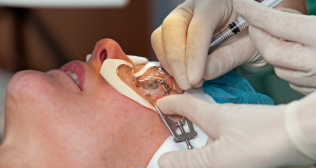
Procedures for Blocked Ducts: If a tear duct is blocked, a minor surgical procedure may be needed to open it or create a new drainage channel (dacryocystorhinostomy or DCR).
A Clear Path to Comfortable Vision
Watery eyes can be a frustrating symptom, but they are often a sign that your eyes are trying to protect themselves or that a specific part of their intricate system needs attention. Do not dismiss persistent tearing as just an inconvenience.
An accurate diagnosis is the key to effective treatment. Partnering with your eye care professional can help you restore the proper balance to your tear system and enjoy clear, comfortable vision for years to come.
Frequently Asked Questions
Q1. Can dehydration cause watery eyes?
Ans. Yes, ironically, dehydration can contribute to dry eye syndrome. When you are dehydrated, your body may not produce enough high-quality, lubricating tears, leading to eye irritation and subsequent reflex watering. Staying well-hydrated is important for overall eye health.
Q2. Why do my eyes water more when it's cold or windy?
Ans. Cold air and wind can cause the tear film on your eyes to evaporate more quickly, leading to dryness and irritation. This triggers your lacrimal glands to produce excess tears as a protective reflex. Wearing sunglasses can help shield your eyes.
Q3. I only have excessive tearing in one eye. What could cause that?
Ans. While dryness or allergies can affect both eyes, persistent excessive tearing one eye often points towards a localized issue on that side. Common causes include a blocked tear duct, an inward-turning eyelid (entropion) causing lashes to rub the eye, or a foreign body or scratch specific to that eye.
Q4. Are watery eyes a sign of something serious?
Ans. While usually caused by benign conditions like dry eye or allergies, persistent watery eyes can sometimes be a symptom of a more serious underlying issue, such as an infection, inflammation, or structural problem with the tear duct or eyelid. It is always best to get it evaluated if it persists.
Categories
Clear allRelated Blogs
View all








Keep track of your appointments, get updates & more!

