


Weakness in Legs - Causes Symptoms and Treatment Options
Medicine Made Simple
Quick Summary: Best Ways to Manage Weakness in Legs
- Leg weakness may be caused by nerve problems, poor circulation, vitamin deficiency, or muscle fatigue
- Proper rest helps muscles recover faster
- Hydration and balanced nutrition improve strength
- Regular stretching and light exercise support muscle function
- Vitamin B12, Vitamin D, and iron deficiency are common causes
- Physiotherapy may help improve mobility and balance
- Seek medical help if weakness is sudden, severe, or affects walking
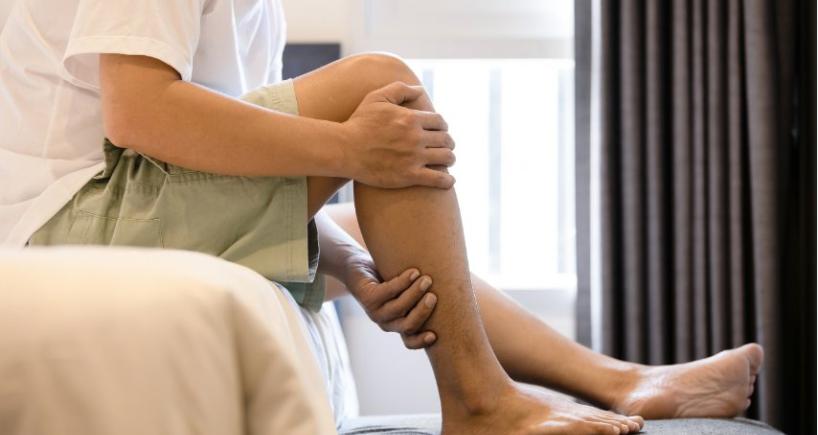
Weakness in legs can make simple activities like walking, climbing stairs, standing for long periods, or even getting out of bed feel difficult. Some people experience heaviness, trembling, numbness, or a feeling that their legs may “give out.”
Occasional tiredness after exercise is normal, but persistent weakness in legs may indicate an underlying medical issue such as nerve problems, poor blood circulation, vitamin deficiencies, infections, or neurological conditions.
Ignoring leg weakness can lead to falls, injuries, and worsening mobility problems. Understanding the cause early helps improve recovery and prevents serious complications related to Vitamin D Deficiency.
In this guide, we’ll explain the common causes of weakness in legs, symptoms to watch for, treatment options, home remedies, and when medical attention becomes necessary.
Let’s begin.
Synopsis
- Why Leg Strength Matters
- Common Causes of Weakness in Legs
- 7 Effective Ways to Improve Leg Strength
- Table: Quick Home Remedies for Weakness in Legs
- Symptoms of Leg Weakness
- When to Seek Medical Help
- Best Medicines for Weakness in Legs
- Frequently Asked Questions
- Conclusion
Why Leg Strength Matters
Your legs support your entire body weight and help with movement, balance, posture, and daily activities. Strong legs are essential for walking, standing, exercising, and maintaining independence.
Healthy leg muscles also improve:
- Balance and coordination
- Joint stability
- Blood circulation
- Bone strength
- Fall prevention
- Overall mobility
When weakness develops, it can affect confidence, work performance, and quality of life.
That is why understanding weakness in legs and treating it early is extremely important.
Common Causes of Weakness in Legs
1. Vitamin Deficiency
Deficiency of important nutrients like Vitamin B12, Vitamin D, iron, and magnesium can cause muscle weakness and fatigue.
These nutrients are essential for nerve health and muscle function.
Common Signs
- Tiredness
- Muscle cramps
- Numbness
- Low energy
- Dizziness
2. Nerve Problems
Conditions affecting nerves, such as sciatica, neuropathy, or nerve compression, can cause weakness in one or both legs.
Warning Signs
- Tingling sensation
- Burning pain
- Numbness
- Difficulty walking
- Sharp pain from back to leg
3. Poor Blood Circulation
Reduced blood flow to the legs may cause heaviness, pain, and weakness.
This is common in people with diabetes, smoking habits, or vascular disease. Monitoring heart rate vs pulse rate may also help support overall circulation awareness.
4. Muscle Fatigue
Overexercise, standing for long hours, or intense physical activity can temporarily weaken leg muscles.
This usually improves with rest and hydration.
5. Arthritis and Joint Problems
Knee arthritis, hip pain, and joint inflammation can make walking painful and create the feeling of leg weakness.
6. Neurological Disorders
Conditions like stroke, multiple sclerosis, Parkinson’s disease, or spinal cord problems may cause serious leg weakness.
This requires immediate medical evaluation.
7. Infections and Illness
Viral infections, fever, thyroid disorders, and chronic illnesses can also lead to muscle weakness.
7 Effective Ways to Improve Weakness in Legs
1. Get Proper Rest
Overworked muscles need time to recover.
Resting helps reduce strain and allows muscle repair.
Best Practice
- Avoid excessive walking
- Avoid heavy lifting
- Avoid prolonged standing if weakness is severe
2. Stay Hydrated
Dehydration can worsen muscle fatigue and cramps.
Water helps maintain muscle function and improves blood circulation.
Tip
- Drink enough plain water throughout the day
- Reduce sugary drinks
3. Eat a Balanced Diet
Nutrition plays a major role in muscle strength and recovery.
Important Nutrients
- Protein
- Vitamin B12
- Vitamin D
- Iron
- Calcium
- Magnesium
Include eggs, milk, leafy vegetables, fruits, nuts, and lentils in your diet.
4. Do Gentle Leg Exercises
Light exercise improves blood flow, muscle strength, and flexibility.
Helpful Exercises
- Walking
- Stretching
- Heel raises
- Leg lifts
- Chair squats
- Calf stretches
Start slowly and avoid painful movements.
5. Improve Sleep Quality
Poor sleep affects muscle recovery and overall energy levels.
Healthy Goal
- Aim for 7–8 hours of quality sleep every night
Good sleep improves healing and strength.
6. Consider Physiotherapy
Physiotherapy helps improve mobility, muscle coordination, and strength.
It is especially useful for nerve-related weakness and recovery after injury.
7. Treat the Underlying Cause
Sometimes weakness improves only when the main medical issue is treated, such as anemia, diabetes, thyroid disease, or nerve compression.
Proper diagnosis is the key to long-term recovery.
Quick Home Remedies for Weakness in Legs
- Rest
- Helps muscle recovery
- Avoid overexertion
- Hydration
- Improves muscle function
- Drink water regularly
- Nutritious Diet
- Supports strength
- Include vitamins daily
- Light Exercise
- Improves mobility
- Gentle daily stretching
- Physiotherapy
- Strengthens muscles
- Professional guidance
Symptoms of Leg Weakness
Recognizing symptoms early helps prevent serious complications.
Common Signs Include
- Difficulty walking
- Heavy feeling in legs
- Muscle cramps
- Numbness or tingling
- Shaking or trembling
- Loss of balance
- Frequent falls
- Joint pain
- Fatigue while climbing stairs
- Trouble standing for long periods
Persistent symptoms should not be ignored.
When to Seek Medical Help
Some mild weakness improves with rest, but certain warning signs need immediate attention.
Consult a doctor if you experience:
- Sudden leg weakness
- One-sided weakness
- Difficulty walking suddenly
- Severe numbness
- Loss of bladder control
- Weakness after injury
- Severe pain with swelling
- Frequent falls or balance problems
These symptoms may indicate serious nerve or neurological conditions.
Early treatment improves recovery and prevents complications.
Best Medicines for Weakness in Legs
Treatment depends on the underlying cause of weakness.
Commonly Recommended Options Include
- Vitamin Supplements
- Vitamin B12, Vitamin D, iron, and calcium supplements may help
- Pain Relief Medicines
- Used for arthritis, nerve pain, or muscle strain
- Anti-inflammatory Medicines
- Help reduce swelling and improve movement
- Neuropathy Medicines
- Prescribed for nerve-related weakness
- Thyroid or Diabetes Treatment
- Managing chronic diseases improves leg strength
Always consult your doctor before starting any medication.
Conclusion
Weakness in legs can affect mobility, balance, and daily life if left untreated. While temporary fatigue may improve with rest, persistent weakness often points to an underlying issue like vitamin deficiency, nerve problems, poor circulation, or chronic illness.
Simple steps like proper nutrition, hydration, exercise, physiotherapy, and medical evaluation can make a major difference in recovery. Early treatment helps prevent falls, injuries, and long-term complications.
Taking care of your leg strength today helps protect your independence, confidence, and overall health for the future.
Categories
Clear allMeet the doctor

- Internal Medicine | Internal Medicine
-
 10 Years
-
 650
Related Blogs
View all







FAQs

Keep track of your appointments, get updates & more!

