


What Are the Most Common Heart Diseases Treated by Delhi Heart Hospitals?
The heart and blood vessels work continuously to supply oxygen and nutrients throughout the body. However, several cardiovascular conditions can affect this system and may cause symptoms such as chest pain, breathlessness, fatigue, dizziness, or an irregular heartbeat.
Early medical evaluation is important when these symptoms occur, particularly if they are sudden, severe, or persistent. Delhi is home to several specialized cardiac centres equipped with advanced diagnostic and treatment facilities.
Understanding the common heart diseases treated by a heart hospital in Delhi can help patients recognize potential cardiovascular concerns and seek appropriate medical care.
Coronary Artery Disease
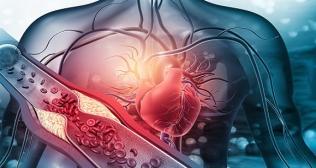
Coronary artery disease (CAD) is one of the most common heart conditions. It develops when fatty deposits, cholesterol, and other substances accumulate inside the coronary arteries, causing them to narrow and restricting blood flow to the heart muscle.
Patients may experience:
- Chest pain or pressure
- Shortness of breath
- Fatigue
- Pain that spreads to the arm, shoulder, jaw, or back
- Reduced tolerance for physical activity
Cardiologists may use tests such as an electrocardiogram (ECG), echocardiogram, stress testing, CT coronary angiography, or conventional coronary angiography to evaluate the condition.
Treatment depends on the severity of the blockage and may include lifestyle changes, medications, angioplasty with stent placement, or coronary artery bypass grafting (CABG).
A specialized Delhi heart hospital can provide access to cardiologists, cardiac surgeons, advanced imaging, catheterization laboratories, and intensive cardiac care when required.
Cardiac Rhythm Disorders
Cardiac arrhythmias occur when the heart beats too quickly, too slowly, or irregularly. Some rhythm disorders are harmless, while others may increase the risk of complications such as stroke or heart failure.
Common rhythm disorders include:
- Atrial fibrillation
- Atrial flutter
- Supraventricular tachycardia
- Ventricular arrhythmias
- Bradycardia
Doctors may use an ECG, Holter monitoring, event monitoring, or other specialized tests to identify abnormal heart rhythms.
Treatment depends on the type and severity of the arrhythmia. Options may include medications, cardioversion, catheter ablation, pacemaker implantation, or an implantable cardioverter-defibrillator (ICD).
Specialized electrophysiology teams can provide advanced evaluation and treatment for complex rhythm disorders.
Heart Valve Diseases
Heart valves regulate the flow of blood through the chambers of the heart. Conditions affecting these valves can prevent them from opening or closing properly.
Valve disease may occur because of ageing, infection, congenital abnormalities, or other underlying conditions. Common problems include:
- Aortic stenosis
- Aortic regurgitation
- Mitral stenosis
- Mitral regurgitation
- Tricuspid valve disease
Symptoms can include breathlessness, fatigue, chest discomfort, swelling of the legs, dizziness, or reduced exercise tolerance.
Depending on the condition, treatment may involve regular monitoring, medication, minimally invasive procedures, valve repair, or valve replacement.
A multidisciplinary cardiac team can determine whether a patient's natural valve can be repaired or whether replacement is more appropriate.
Congenital Heart Diseases
Congenital heart diseases are structural abnormalities of the heart that develop before birth. They can affect children as well as adults who were born with a heart defect.
Examples include:
- Atrial septal defects
- Ventricular septal defects
- Patent ductus arteriosus
- Tetralogy of Fallot
- Coarctation of the aorta
Some defects may be detected during pregnancy or shortly after birth, while others may remain unnoticed until adulthood.
Treatment depends on the type and severity of the defect. Some patients require only regular monitoring, while others may need catheter-based procedures or surgery.
For children with congenital heart conditions, it is important to choose a centre with specialized pediatric cardiology and cardiac surgery services.
Heart Failure
Heart failure occurs when the heart cannot pump blood effectively enough to meet the body's requirements. It can develop due to coronary artery disease, high blood pressure, heart valve disease, cardiomyopathy, or other cardiovascular conditions.
Common symptoms include:
- Breathlessness
- Persistent tiredness
- Swelling in the legs or ankles
- Rapid or irregular heartbeat
- Difficulty exercising
- Sudden weight gain caused by fluid retention
Treatment aims to improve heart function, control symptoms, and reduce the risk of hospitalization and complications.
Depending on the patient's condition, treatment may include medications, lifestyle modifications, cardiac rehabilitation, implanted devices, or advanced heart failure therapies.
Cardiomyopathy
Cardiomyopathy refers to diseases affecting the heart muscle. It can make the heart muscle abnormally thick, enlarged, stiff, or weakened.
Major types include:
- Dilated cardiomyopathy
- Hypertrophic cardiomyopathy
- Restrictive cardiomyopathy
- Arrhythmogenic cardiomyopathy
Patients may experience breathlessness, fatigue, swelling, chest discomfort, dizziness, or abnormal heart rhythms.
Doctors may use an ECG, echocardiogram, cardiac MRI, genetic testing, and other investigations to determine the type and severity of cardiomyopathy.
Treatment is personalized and may include medications, lifestyle management, devices, procedures, or surgery depending on the patient's condition.
How Are Heart Diseases Diagnosed?
Accurate diagnosis is the first step toward effective cardiac treatment. A cardiologist may recommend different investigations based on the patient's symptoms, medical history, and risk factors.
Common cardiac diagnostic tests include:
- Electrocardiogram (ECG)
- Echocardiogram
- Stress testing
- Holter monitoring
- CT coronary angiography
- Cardiac MRI
- Coronary angiography
- Blood tests
Regular cardiovascular assessments can also help identify risk factors such as high blood pressure, high cholesterol, diabetes, and other conditions that may increase the risk of heart disease.
If you experience sudden chest pain, severe breathlessness, fainting, or other potentially serious symptoms, seek urgent medical attention rather than waiting for a routine appointment.
Cardiac Rehabilitation After Treatment
Recovery does not necessarily end after a cardiac procedure or surgery. Cardiac rehabilitation can help eligible patients gradually return to daily activities while improving cardiovascular fitness.
A supervised rehabilitation program may include:
- Gradual physical activity
- Exercise training
- Nutritional counselling
- Medication education
- Risk-factor management
- Lifestyle guidance
- Psychological support
Patients should follow the recovery plan provided by their healthcare team. Physical activity should be increased gradually and according to medical advice.
Choosing the Right Heart Hospital in Delhi
When selecting a heart hospital in Delhi, consider more than the availability of cardiac surgery. The right centre should have the appropriate expertise and infrastructure for your specific condition.
Important factors include:
- Experienced cardiologists and cardiac surgeons
- Advanced cardiac diagnostic facilities
- Cardiac catheterization laboratories
- Electrophysiology services
- Cardiac surgery facilities
- Intensive cardiac care units
- Pediatric cardiology services, when required
- Cardiac rehabilitation programs
- Emergency cardiac care
- Multidisciplinary medical teams
The appropriate hospital depends on the patient's diagnosis, treatment requirements, age, overall health, and the expertise needed.
Final Thoughts
Heart diseases can range from coronary artery disease and rhythm disorders to valve conditions, congenital defects, heart failure, and cardiomyopathy. Early diagnosis and appropriate treatment can play an important role in managing cardiovascular conditions.
If you are looking for a heart hospital in Delhi, evaluate the hospital's specialist expertise, diagnostic capabilities, treatment options, emergency services, and follow-up care.
Most importantly, consult a qualified cardiologist for persistent or concerning symptoms. Your doctor can determine which investigations and treatments are appropriate based on your individual health needs.
Categories
Clear allRelated Blogs
View all






FAQs

Keep track of your appointments, get updates & more!

