
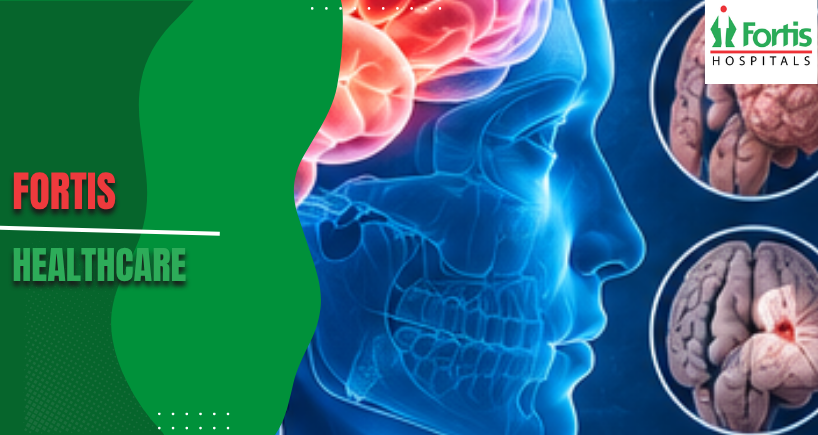


What Are the Potential Complications of Different Types of Neurosurgeries?
Operating upon the delicate human brain demands absolute medical precision today. These incredibly complex surgical procedures alter your highly sensitive nervous system permanently. Patients naturally experience intense psychological anxiety before facing major physical interventions. Learning about specific clinical risks prepares your mind for the challenging journey ahead. Your dedicated healthcare team works tirelessly to protect your physical bodily health. Proper education provides immense emotional comfort before the operation actually begins.
Every single surgical intervention naturally carries some inherent biological danger. Operations involving the spinal cord present incredibly unique physiological hurdles continuously. Doctors carefully weigh these serious risks against the expected physical benefits. Making an informed decision absolutely demands total transparency from your medical providers. You must completely understand what exactly happens during your physical recovery. Your personal resilience plays a massive role during the entire healing process.
Bleeding and Clotting Risks After Neurosurgery
The human brain requires a massive continuous supply of fresh blood. Selecting the best neurosurgeon heavily minimises severe bleeding during the operation. These highly skilled doctors carefully seal tiny blood vessels during surgery. Sometimes entirely unexpected internal bleeding occurs shortly after the operation completely concludes. This dangerous complication creates highly severe pressure inside your rigid skull. Immediate medical intervention remains absolutely necessary to prevent permanent brain damage. Surgeons monitor your blood pressure carefully throughout the entire surgical procedure.
Managing Post-Operative Infections After Neurosurgery
Opening the protective human skull exposes vulnerable tissues to outside germs. The top neurosurgeons strictly follow remarkably intense sterile operating room protocols. Despite these extreme precautions dangerous bacterial infections occasionally develop during recovery. Surface wound infections usually respond exceptionally well to standard antibiotic medications. Deeper internal infections occasionally require a secondary surgical procedure for cleaning. Your nursing team monitors your body temperature continuously throughout the highly critical night. Proper wound care instructions protect your healing incisions at home completely.
Neurological Deficit Risks After Neurosurgery
Brain tissue controls every single physical movement your body executes daily. Operating near these critical pathways occasionally causes temporary physical muscle weakness. Patients sometimes experience unexpected difficulty speaking clearly after waking from surgery. These specific physical deficits frequently improve naturally over several recovery months. However severe surgical complications might occasionally cause entirely permanent physical disabilities. Rehabilitation therapy strongly supports your physical bodily recovery over extended time. Dedicated neurologists carefully assess your physical progress during routine clinical evaluations.
Choosing the Right Neurosurgery Hospital
Complex operations strictly require highly sophisticated clinical medical equipment to succeed. Locating the best neurosurgery hospitals provides absolutely essential operative safety today. These premium institutions maintain incredibly strict safety protocols across all departments. Accessing expert care at Best Hospital In India provides profound diagnostic clarity. Their dedicated medical teams carefully plan every single intricate operative step. This highly structured multidisciplinary approach actively ensures comprehensive clinical support consistently. Advanced robotic technology frequently assists surgeons during these incredibly delicate procedures.
Cerebrospinal Fluid Leakage After Neurosurgery
A completely clear biological liquid safely cushions your brain and spine. Surgeons must carefully open the protective membrane holding this vital fluid. Occasionally this delicate structural tissue fails to heal perfectly after surgery. This structural failure allows the protective clear liquid to slowly leak. Patients usually experience highly severe headaches when sitting completely upright today. Doctors occasionally perform minor patching procedures to seal these frustrating leaks. Staying completely flat in bed frequently resolves minor leaks without requiring surgery.
Cognitive and Memory Alterations After Brain Surgery
Operations deeply affecting your frontal lobes occasionally alter your natural personality. The top neurosurgeons actively try to protect these delicate cognitive centres. Some patients struggle to remember recent daily events immediately following surgery. Your ability to process complex information might temporarily slow down significantly. These frustrating cognitive changes require tremendous personal patience from recovering families. Cognitive therapy strongly assists patients in regaining their sharp mental focus. Returning to your professional career might require gradual and careful adjustments.
The Importance of Rehabilitation After Neurosurgery
Physical therapy begins remarkably soon after your surgical wounds start healing. The best neurosurgery hospitals employ dedicated specialists specifically for your physical recovery. These trained professionals carefully guide your very first painful physical steps. Rebuilding your essential muscular strength safely prevents dangerous accidental physical falls. Your daily dedication to these exercises heavily dictates your overall recovery timeline. Family members provide absolutely essential emotional encouragement during these incredibly difficult phases. Consistent daily practice gradually restores your previous physical mobility and confidence.
Long-Term Monitoring After Neurosurgery
Completing your initial hospital stay marks a profound transition in your journey. Your best neurosurgeon establishes a highly comprehensive medical surveillance program immediately. Regular sophisticated imaging scans actively help doctors identify potential future complications. You must consistently report any unusual physical symptoms to your doctors. Attending your scheduled clinical appointments ensures your continued bodily stability entirely. This ongoing clinical partnership safely preserves your long term physical independence. Embracing this new chapter requires profound courage and steady emotional support.
Categories
Clear allRelated Blogs
View all

Head Injury: Better Be Safe Than Sorry
Traumatic Brain Injury: Symptoms, Causes and Management

Quick Enquiry Form
FAQs

Keep track of your appointments, get updates & more!

