


What Are the Risks Associated With Removing the Thyroid Gland?
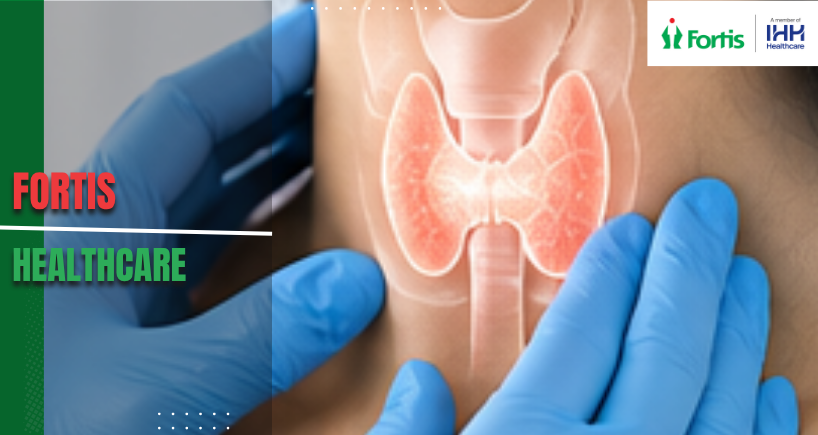
The thyroid gland is a small, butterfly-shaped organ located at the front of the neck. It produces hormones that help regulate metabolism, energy use, heart rate and several other body functions.
When conditions such as thyroid cancer, certain large or suspicious thyroid nodules, goitre or some forms of hyperthyroidism require surgery, a procedure called thyroidectomy may be recommended. Depending on the condition, a surgeon may remove part of the thyroid or the entire gland.
Thyroidectomy is generally a well-established procedure, but like any surgery, it carries potential risks. Understanding these complications can help patients prepare for treatment and know what to expect during recovery.
Voice Changes and Nerve-Related Risks
One of the important structures surgeons must protect during thyroid surgery is the recurrent laryngeal nerve, which helps control the vocal cords. Another nerve, the external branch of the superior laryngeal nerve, can also be affected and may influence voice projection and pitch.
Injury to these nerves can cause:
- Hoarseness
- A weak or breathy voice
- Changes in pitch
- Vocal fatigue
- Difficulty projecting the voice
Temporary voice changes can also occur because of swelling, irritation from the breathing tube or other factors unrelated to permanent nerve injury.
Many temporary symptoms improve as healing progresses. Permanent vocal-cord nerve injury is less common, but the risk varies according to factors such as the extent of surgery, underlying disease, previous neck surgery and the surgeon's experience.
Intraoperative nerve monitoring may be used in some thyroid operations to help identify and monitor nerve function, but it does not eliminate the possibility of nerve injury.
Low Calcium Levels After Thyroid Surgery
The parathyroid glands are four small glands usually located behind or near the thyroid. They regulate calcium levels in the blood by producing parathyroid hormone.
During thyroid surgery, these glands can sometimes be temporarily affected or, less commonly, permanently damaged or lose their blood supply.
If parathyroid function decreases, blood calcium can fall. Symptoms may include:
- Tingling around the mouth
- Tingling in the fingers or toes
- Muscle cramps
- Muscle spasms
- In more severe cases, abnormal heart rhythms or seizures
Calcium and, when needed, vitamin D levels may be monitored after surgery. If calcium levels are low, supplements may be prescribed.
Temporary hypocalcaemia can improve as the parathyroid glands recover. Permanent hypoparathyroidism is less common but can require long-term calcium and vitamin D treatment.
Bleeding and Neck Haematoma
Bleeding is a potential complication of thyroid surgery. Although significant postoperative bleeding is uncommon, a collection of blood called a neck haematoma can sometimes develop.
Because the thyroid is located close to the airway, significant swelling or bleeding in the neck can become an emergency.
Patients should seek immediate medical attention if they develop:
- Rapidly increasing neck swelling
- Difficulty breathing
- Difficulty swallowing
- A feeling of pressure in the neck
- Sudden voice changes associated with swelling
This is one reason why careful observation after thyroid surgery is important.
Infection
As with any surgical procedure, there is a small risk of infection at the incision site.
Signs that may require medical assessment include:
- Increasing redness
- Worsening swelling
- Pus or unusual discharge
- Increasing pain
- Fever
Most thyroid surgery incisions heal without significant infection when appropriate wound-care instructions are followed.
Thyroid Hormone Replacement After Total Thyroidectomy
If the entire thyroid gland is removed, the body can no longer produce its normal supply of thyroid hormones.
Patients undergoing total thyroidectomy therefore generally need lifelong thyroid hormone replacement, usually with levothyroxine.
The medication replaces the hormone the thyroid would normally produce. The dose is individualised and may need adjustment over time.
Doctors use blood tests, particularly thyroid-stimulating hormone (TSH), to determine whether the replacement dose is appropriate.
Patients who undergo only a partial thyroidectomy may still produce enough thyroid hormone and may not necessarily need lifelong replacement. Blood tests are used to determine whether medication is required.
How Is Thyroid Hormone Replacement Managed?
Finding the appropriate levothyroxine dose can take some time.
Factors such as body weight, age, other medications, pregnancy, underlying thyroid disease and other health conditions can influence hormone requirements.
Patients are generally advised to take levothyroxine consistently according to their doctor's instructions. Certain foods, supplements and medicines can interfere with absorption, so the timing of the medication may need to be discussed with the treating team.
Follow-up blood tests help doctors adjust the dose when necessary.
Thyroid hormone replacement is highly effective for most patients, but it requires ongoing monitoring rather than assuming that one dose will remain appropriate forever.
Scar Formation and Incision Healing
Thyroid surgery usually involves an incision across the lower part of the neck. Surgeons often place the incision within a natural skin crease to improve its cosmetic appearance.
However, the final appearance of the scar varies from person to person.
Healing can be influenced by:
- Individual skin characteristics
- Genetics
- Wound healing
- Surgical technique
- Infection
- Sun exposure
- Tendency to develop raised or thick scars
Patients should follow their surgeon's wound-care instructions. Once the incision has healed appropriately, the healthcare team may recommend measures such as silicone-based scar products or sun protection.
A scar may initially appear red or firm before gradually becoming less noticeable over time. It cannot always be made invisible.
Temporary Neck Stiffness or Discomfort
Some patients experience tightness, soreness or stiffness around the neck after thyroid surgery.
Gentle movement can usually be resumed according to the surgeon's instructions. However, patients should avoid strenuous activity until they are medically cleared.
Specific exercises or stretches should be discussed with the surgical team, particularly during the early healing period.
Other Possible Risks
Less common complications can include problems related to anaesthesia, blood clots, damage to nearby structures or the need for additional treatment.
The risk profile also depends on the type of thyroid surgery.
For example, surgery for thyroid cancer may involve removal of nearby lymph nodes, which can introduce additional risks depending on the location and extent of the operation.
Patients with previous neck surgery, extensive thyroid disease or large goitres may also have a different risk profile from someone undergoing a straightforward thyroidectomy.
What Happens During Recovery?
Recovery varies depending on the type of thyroid surgery and the patient's overall health.
Patients may experience some neck discomfort, swallowing discomfort or tiredness during the initial recovery period. Many people gradually return to their usual activities as healing progresses.
Follow-up appointments allow the medical team to assess:
- The surgical wound
- Calcium levels when appropriate
- Voice changes
- Thyroid hormone levels
- Need for hormone replacement
- Pathology results, when surgery was performed for a thyroid nodule or cancer
Patients should follow their surgeon's specific instructions regarding work, exercise, driving and wound care.
When Should You Contact Your Doctor?
After thyroid surgery, prompt medical assessment is important if symptoms develop or worsen unexpectedly.
Contact the healthcare team or seek urgent medical attention for symptoms such as:
- Difficulty breathing
- Rapidly increasing neck swelling
- Significant bleeding
- Severe or worsening pain
- Persistent vomiting
- Fever with signs of infection
- Significant tingling or muscle spasms
Breathing difficulty or rapidly expanding neck swelling should be treated as an emergency.
Final Thoughts
Thyroidectomy is a commonly performed operation, but it is still important to understand its potential complications. Voice changes, low calcium levels, bleeding, infection and the need for thyroid hormone replacement are among the issues that may arise.
The likelihood of complications depends on the type and extent of surgery, the underlying thyroid condition and individual patient factors.
If the entire thyroid gland is removed, lifelong thyroid hormone replacement is generally required. With appropriate follow-up, blood-test monitoring and medication adjustment, most patients can maintain normal thyroid hormone levels after surgery.
Before undergoing thyroidectomy, patients should discuss the expected benefits, possible complications, extent of surgery and long-term medication requirements with their thyroid or surgical team.
Categories
Clear allRelated Blogs
View all






FAQs

Keep track of your appointments, get updates & more!

