
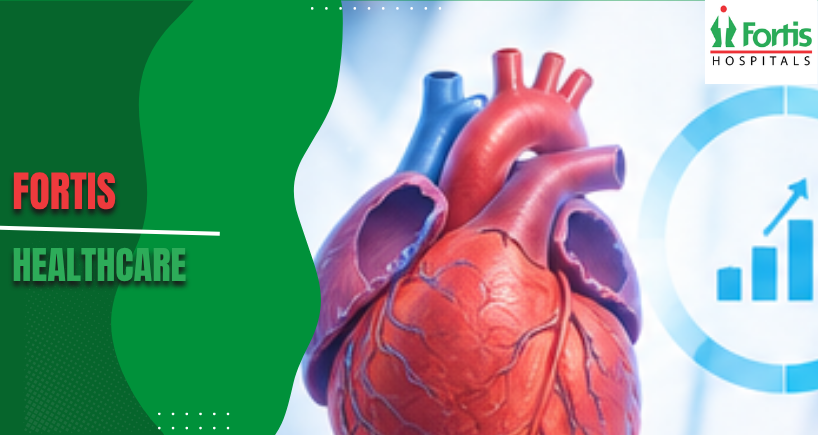


What Are the Success Rates of Cardiac Transplant Surgeries?
A failing internal pump drastically reshapes your entire daily physical reality. Breathing becomes incredibly difficult during the simplest morning routines. Confronting terminal cardiovascular decline requires profound courage and expert medical guidance today.
Modern clinical medicine offers remarkable structural solutions for these devastating physical conditions. Understanding precise survival statistics greatly empowers your highly critical future healthcare decisions moving forward. Your dedicated doctors provide vital clarity during this journey.
What Is the Immediate Survival Rate After Cardiac Transplant Surgery?
The initial twelve months following your operation represent the most critical recovery phase. Patients generally experience highly encouraging clinical outcomes during this early period. A successful cardiac transplant surgery restores profound physical mobility for previously bedridden individuals quite rapidly.
National registries track these vital medical statistics carefully across numerous global medical institutions. Current data indicates roughly ninety percent survive their first year. This highly significant achievement reflects massive improvements across modern surgical extraction techniques used today.
What Is the Long-Term Survival Rate After a Heart Transplant?
Surviving beyond five years remains an entirely realistic medical expectation for many affected patients. Clinical studies demonstrate roughly seventy percent cross this crucial milestone entirely successfully. Strict adherence to your prescribed daily medication schedule heavily influences these highly positive clinical results.
Ten year survival metrics continue showing incredibly steady clinical improvement globally today. Many highly dedicated patients enjoy remarkably active lifestyles well into their second extended recovery decade. Your personal bodily resilience significantly alters your expected health trajectory.
Understanding Heart Transplant Cost and Financial Considerations
Calculating the total heart transplant cost remains an absolute medical necessity during initial consultations. This massive clinical undertaking routinely involves highly complex operative fees alongside incredibly expensive extended hospital resources today. Families must proactively prepare their household economy highly carefully before proceeding.
Accessing premium healthcare environments provides absolute diagnostic clarity for heavily struggling vulnerable patients. Seeking expert evaluation at Hospital in Delhi ensures incredibly strict surgical safety protocols. Their highly qualified medical consultants collaborate seamlessly to resolve particularly difficult biological diagnostic mysteries highly effectively.
Organ Rejection After Cardiac Transplant Surgery
The human immune system naturally attacks unfamiliar cellular structures following your heart transplant surgery today. Your body automatically recognises the vital new organ as a dangerous foreign invader. Intensive care specialists frequently utilise highly powerful pharmacological compounds to suppress this natural internal defensive reaction.
Managing this delicate chemical balance requires relentless medical observation from knowledgeable nursing staff continuously. Constant clinical vigilance actively prevents severe organ rejection episodes from causing damage. You must consume your prescribed daily immunosuppressive medications entirely without any minor scheduling deviations whatsoever.
Nutritional Requirements After Cardiac Transplant Surgery
Protecting your newly acquired vital organ strictly requires profound changes to your daily dietary habits. Vulnerable patients must avoid raw foods to prevent dangerous bacterial infections during recovery. Consuming thoroughly cooked meals provides absolutely essential nourishment whilst maintaining excellent internal biological security.
A dedicated clinical dietitian will construct a highly customised nutritional plan for your physical recovery. Limiting daily sodium intake actively prevents dangerous internal fluid retention. Strict daily dietary compliance ensures optimal cardiac pumping function for several consecutive recovery decades.
Postoperative Warning Signs After Cardiac Transplant Surgery
Patients must remain incredibly vigilant regarding any unusual physical symptoms developing safely at home. A sudden dramatic increase in your resting body temperature absolutely demands immediate professional medical investigation without delay. Your doctors will meticulously evaluate these bodily changes to rule out infection.
Experiencing entirely new chest discomfort requires an urgent consultation with your dedicated surgical team. You must never ignore persistent shortness of breath during your routine walking exercises. Reporting these highly critical physical indicators promptly ensures your continued bodily stability remains completely secure and safe.
Rehabilitation After Cardiac Transplant Surgery
Rebuilding your muscular strength absolutely demands tremendous personal patience over many consecutive physical recovery months. Skilled physical therapists gently introduce incredibly light cardiovascular exercises during your early sessions. Excessive physical exertion frequently damages your highly sensitive healing surgical connections.
Gentle walking provides the safest foundation for restoring your overall functional bodily mobility effectively today. Patients gradually increase their physical distances following specific guidance from attending doctors. Consistent daily movement actively prevents highly dangerous internal blood clots from forming unexpectedly.
Categories
Clear allRelated Blogs
View all


FAQs

Keep track of your appointments, get updates & more!

