



What Is the Best Heart Hospital in India for Heart Bypass Surgery
When coronary artery disease causes significant narrowing or blockage in the arteries supplying the heart, everyday activities can become difficult. Some people experience chest discomfort or breathlessness during exertion, while others may have no obvious symptoms until the disease becomes advanced.
Coronary artery bypass grafting (CABG), commonly called heart bypass surgery, is one of the established treatments for selected patients with severe coronary artery disease. However, bypass surgery is not automatically the best option for everyone with a blocked artery. The decision depends on the number and location of blockages, heart function, other medical conditions and the results of cardiac investigations.
Choosing an experienced heart hospital with a specialised cardiac team can help patients understand their options and prepare for treatment.
Recognising When Bypass Surgery May Be Needed
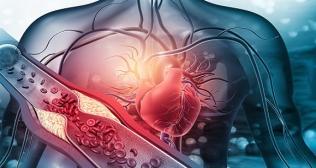
Coronary artery disease develops when fatty deposits and other material build up inside the coronary arteries, narrowing the vessels and reducing blood flow to the heart muscle.
Symptoms may include:
- Chest pressure, tightness or discomfort
- Breathlessness during physical activity
- Pain or discomfort spreading to the arm, shoulder, jaw or back
- Unusual fatigue
- Reduced exercise tolerance
Some people, particularly those with diabetes, may have fewer typical symptoms.
Not every coronary blockage requires bypass surgery. Depending on the patient's condition, treatment may include lifestyle changes, medicines, angioplasty with stenting or CABG.
Doctors may consider bypass surgery when there are multiple significant blockages, disease affecting important coronary arteries, certain patterns of left main or multivessel disease, or when bypass is expected to provide a better long-term outcome than other treatment options.
Understanding Heart Bypass Surgery
During CABG, the surgeon creates a new route for blood to flow around a significantly narrowed or blocked coronary artery.
The graft may be taken from a blood vessel in the chest, arm or leg. Common grafts include the internal mammary artery and the saphenous vein, while the radial artery may also be used in selected patients.
The graft is connected so that blood can flow beyond the blocked section of the coronary artery.
CABG does not remove the underlying coronary artery disease. Instead, it creates an alternative pathway for blood flow. Long-term medicines, healthy lifestyle habits and management of risk factors remain important after surgery.
How Doctors Determine Whether CABG Is Appropriate
A thorough cardiac evaluation is essential before bypass surgery is recommended.
Depending on the patient's symptoms and medical history, investigations may include:
- Electrocardiogram (ECG)
- Echocardiogram
- Blood tests
- Exercise stress testing in selected cases
- CT coronary angiography in appropriate patients
- Invasive coronary angiography
- Other imaging or functional tests when required
Coronary angiography can show the location and severity of narrowing in the coronary arteries. The results help the cardiac team determine whether medical treatment, angioplasty or bypass surgery is the most appropriate approach.
The decision may involve a multidisciplinary "Heart Team" that includes cardiologists and cardiac surgeons.
What Should You Look for in a Heart Hospital?
There is no single hospital that can be called the "best" for every patient. The right centre depends on the complexity of the heart condition and the treatment required.
When comparing hospitals for CABG, consider factors such as:
- Experience of the cardiac surgery team
- Availability of interventional cardiology and cardiac surgery
- Intensive care facilities
- Cardiac anaesthesia support
- Emergency cardiac services
- Diagnostic imaging and catheterisation facilities
- Blood-bank and transfusion support
- Infection-control practices
- Cardiac rehabilitation services
- Multidisciplinary cardiac care
It can also be useful to ask the surgeon about their experience with procedures similar to the one being considered and the hospital's approach to postoperative monitoring and rehabilitation.
The Role of Advanced Cardiac Facilities
Complex cardiac surgery requires coordinated care before, during and after the operation.
Modern cardiac centres may use advanced imaging, cardiac catheterisation laboratories, specialised operating theatres and intensive care facilities to support patients undergoing CABG.
However, technology alone does not determine surgical outcomes. The experience of the multidisciplinary team, appropriate patient selection, perioperative care and management of other medical conditions are also important.
Patients should therefore evaluate the overall cardiac programme rather than choosing a hospital based solely on equipment or marketing claims.
What Happens After Bypass Surgery?
After CABG, patients are generally monitored in a cardiac or surgical intensive care unit during the early recovery period. The medical team monitors heart rhythm, blood pressure, breathing, fluid balance and other important parameters.
Temporary chest discomfort, fatigue and reduced stamina are common during early recovery. The duration of hospitalisation and overall recovery varies depending on the patient's health and whether complications occur.
Once stable, patients gradually begin moving around with guidance from the healthcare team. Breathing exercises and appropriate physical activity can form part of early recovery.
Cardiac Rehabilitation and Physical Activity
Cardiac rehabilitation is an important part of recovery for many patients after bypass surgery. It combines supervised physical activity with education and support for managing cardiovascular risk factors.
Exercise is usually increased gradually rather than immediately returning to strenuous activity.
Walking is often introduced early, but the appropriate duration and intensity depend on the individual's recovery. Patients should follow the activity restrictions and exercise plan provided by their surgical and rehabilitation teams.
It is incorrect to assume that walking alone prevents blood clots or guarantees cardiovascular recovery. Appropriate medicines, mobility, hydration and medical monitoring all play roles in preventing complications.
Long-Term Heart-Healthy Lifestyle
Bypass surgery improves blood flow to the heart but does not eliminate the underlying tendency to develop coronary artery disease.
Long-term management may include:
- Taking prescribed medicines regularly
- Controlling blood pressure and cholesterol
- Managing diabetes when present
- Avoiding tobacco
- Maintaining a healthy weight
- Following a balanced diet
- Participating in cardiac rehabilitation
- Staying physically active according to medical advice
- Attending regular follow-up appointments
A heart-healthy eating pattern generally includes vegetables, fruits, whole grains, pulses, nuts, seeds and appropriate sources of protein while limiting excess saturated fat, trans fat, sodium and added sugars.
There is no single food that can "repair" coronary arteries. Sustainable dietary and lifestyle changes work alongside medical treatment to reduce future cardiovascular risk.
When Should You Seek Urgent Medical Attention?
Chest discomfort should never be ignored, particularly when it is new, severe or associated with other symptoms.
Seek emergency medical attention if chest discomfort is accompanied by symptoms such as:
- Severe or persistent chest pressure
- Breathlessness
- Cold sweating
- Fainting or severe weakness
- Nausea or vomiting
- Pain spreading to the arm, jaw, shoulder or back
These can be warning signs of a heart attack and require immediate medical assessment.
Final Thoughts
The best heart hospital in India for bypass surgery is not determined by a single ranking or claim. A suitable centre should have an experienced cardiac surgery team, strong cardiology support, appropriate intensive care facilities, advanced diagnostics and structured postoperative rehabilitation.
CABG can be an important and effective treatment for selected patients with significant coronary artery disease, but the decision should be based on individual anatomy, symptoms, overall health and comparison with other treatment options.
If bypass surgery has been recommended, discuss the expected benefits, possible risks, alternatives and recovery plan with your cardiologist and cardiac surgeon. A personalised evaluation is the most reliable way to determine whether CABG is appropriate for you.
Categories
Clear allRelated Blogs
View all







FAQs

Keep track of your appointments, get updates & more!

