
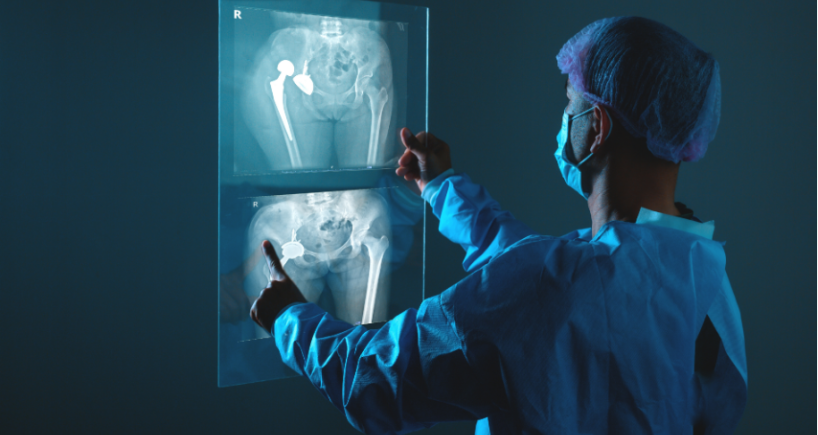


What Happens When Things Go Wrong - Managing Complications After Revision Joint Surgery
Medicine Made Simple Summary
Revision joint surgery for hips or knees is often the solution when a first implant fails. While many patients do well, complications can still occur. These include infection, stiffness, fractures, or even another revision. This article explains the most common complications, how to recognize warning signs, and what treatment options are available if things don’t go as planned. By knowing what to expect and when to act, patients and families can feel better prepared to manage setbacks and stay hopeful about recovery.
Introduction: Why Complications Matter
Revision surgery is already more complex than primary joint replacement. Because of scar tissue, bone loss, and longer surgery times, the risk of complications increases. For patients, this can be worrying. But understanding what can go wrong, and how doctors handle these situations, helps reduce fear and improves preparedness.
Common Complications After Revision Surgery
The most common complications include:
- Infection: Higher risk than primary surgery due to scar tissue and longer operating times.
- Implant Loosening or Failure: The new implant may still fail if bone quality is poor.
- Fractures Around the Implant: Especially in elderly patients with osteoporosis.
- Joint Instability: Dislocations or a sense of the joint 'giving way.'
- Blood Clots (DVT): Can develop in the legs due to reduced mobility.
- Nerve or Vessel Injury: Rare but serious complications.
Why Infections Are a Serious Concern
Infections after revision surgery are challenging because bacteria may attach to implants, forming biofilms that resist antibiotics. Symptoms include fever, swelling, redness, and pus drainage. Mild infections may be treated with antibiotics and debridement, but deep infections often require implant removal and staged surgery. This is one of the main reasons why revision surgeries sometimes require longer hospital stays and repeated operations.
Stiffness and Limited Mobility
Many patients complain of stiffness after revision surgery. Scar tissue formation and reduced joint flexibility contribute to this issue. If not managed early with physiotherapy, stiffness can become permanent. In severe cases, additional surgical procedures may be needed to release tight tissues. This highlights why physiotherapy compliance is crucial after revision.
Implant Loosening or Another Failure
Even after revision, implants can loosen again, particularly in younger or highly active patients. Bone grafts or specialized implants may help, but repeated surgeries are sometimes unavoidable. Surgeons carefully assess bone quality and patient lifestyle to minimize the chances of re-revision.
Fractures Around the Implant
Periprosthetic fractures — breaks in the bone around the implant — are more common in revisions. These may occur during surgery or after a fall. Treatment usually requires additional fixation with plates, screws, or sometimes another implant change. Patients at higher risk include those with osteoporosis or balance problems.
Blood Clots and Circulation Issues
Deep vein thrombosis (DVT) and pulmonary embolism are risks after any joint surgery. Revision patients, being older or less mobile, are at higher risk. Prevention involves blood-thinning medications, compression stockings, and early movement after surgery. Recognizing early symptoms like leg swelling or chest pain is vital.
When Nerves or Vessels Are Affected
Though rare, nerve or blood vessel damage can occur during revision due to scar tissue or complex anatomy. This can cause numbness, weakness, or circulation problems. Surgeons use careful techniques to minimize this risk, but patients should report unusual sensations immediately.
Emotional and Psychological Complications
Complications are not only physical. Many patients feel anxious, frustrated, or even depressed when recovery does not go as planned. Support from family, mental health counseling, and patient support groups can make a huge difference. In India, social stigma around mental health sometimes prevents patients from seeking help, but addressing emotional health is vital for overall recovery.
How Doctors Manage Complications
Complications are managed with a combination of:
- Antibiotics and wound care for infections.
- Physiotherapy for stiffness and mobility issues.
- Re-operations in cases of implant loosening or fractures.
- Blood-thinning medications to prevent clots.
- Counseling and support for emotional challenges.
Treatment plans are tailored to the specific complication and patient condition.
The Indian Context: Costs and Accessibility
In India, managing complications can be expensive. Revision itself costs more than primary replacement, and added surgeries or longer hospital stays increase the financial burden. Patients in smaller towns may also lack access to advanced physiotherapy or infection management facilities, forcing them to travel to metro hospitals. Insurance coverage is often limited, leaving families to bear hidden costs.
Prevention: Reducing the Risk of Complications
While not all complications can be avoided, patients can lower risks by:
Controlling chronic conditions like diabetes.
Following wound care instructions strictly.
Attending regular physiotherapy sessions.
Avoiding smoking and alcohol.
Reporting warning signs early.
Prevention requires a partnership between patients, families, and medical teams.
Checklist for Patients Facing Complications
1. Stay alert to unusual symptoms like fever, swelling, or instability.
2. Report problems to your doctor without delay.
3. Prepare financially for possible unexpected costs.
4. Maintain emotional resilience and seek support if needed.
5. Follow your surgeon’s instructions closely.
This proactive approach helps patients cope better when complications arise.
Conclusion
If you or a loved one is undergoing revision hip or knee surgery, be prepared for both the expected recovery and the possibility of complications. Don’t panic if setbacks occur — most complications are manageable with timely care. Stay proactive, ask questions, and seek support. With patience and persistence, many patients overcome complications and return to active living.
Categories
Clear allMeet the doctor

- Orthopaedics | Orthopaedics and Joint Replacement
-
 11 Years
-
 650
Related Blogs
View all







FAQs

Keep track of your appointments, get updates & more!

