
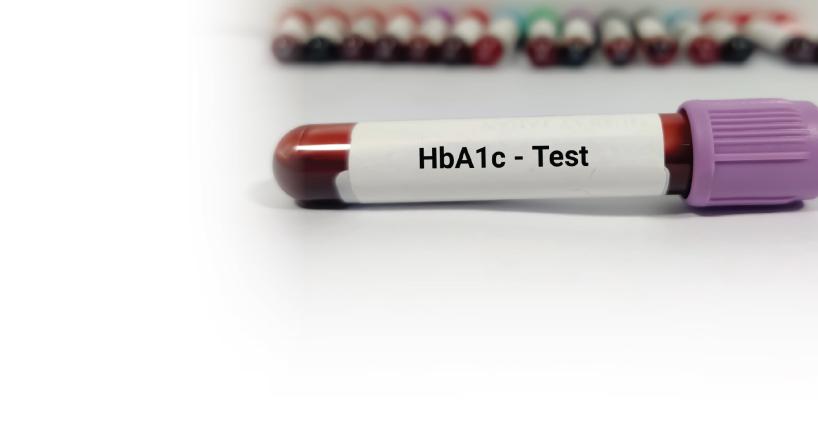


What is the HbA1c Test? A Complete Guide to Understanding Your Blood Sugar Levels
The HbA1c test, also known as the glycated haemoglobin test, is an important blood test used to diagnose and monitor diabetes. It provides an average measure of blood sugar (glucose) levels over the past two to three months. Unlike a regular blood sugar test that shows glucose levels at a single moment, the HbA1c test helps doctors understand how well blood sugar has been controlled over a longer period.
For people living with diabetes or those at risk, the HbA1c test is a key tool for managing overall health. If you are experiencing symptoms such as frequent thirst, unexplained fatigue, or frequent urination, consulting best endocrionologist in Noida or visiting a reputed diabetes clinic in Noida can help determine whether an HbA1c test is necessary.
What Does HbA1c Mean?
HbA1c stands for Hemoglobin A1c. Hemoglobin is a protein found in red blood cells that carries oxygen throughout the body. When glucose circulates in the bloodstream, a portion of it attaches to hemoglobin. This process is called glycation.
The HbA1c test measures the percentage of hemoglobin that has glucose attached to it. Because red blood cells live for about 120 days, the test reflects the average blood sugar levels over the previous 8–12 weeks.
This makes HbA1c a reliable indicator of long-term blood sugar control.
Why is the HbA1c Test Important?
The HbA1c test is widely used by doctors and endocrinologists to diagnose diabetes and monitor how effectively it is being managed.
Some of the key reasons doctors recommend this test include:
- Diagnosing prediabetes and diabetes
- Monitoring blood sugar control in people with diabetes
- Evaluating the effectiveness of diabetes medications
- Assessing the risk of diabetes-related complications
Specialists at leading diabetes hospitals in Noida often advise regular HbA1c testing to help patients maintain healthy blood sugar levels and prevent complications such as heart disease, kidney damage, and nerve problems.
Normal HbA1c Levels
The results of the HbA1c test are expressed as a percentage. These values help doctors determine whether a person has normal blood sugar levels or may be at risk of diabetes.
Typical HbA1c ranges include:
- Below 5.7% – Normal blood sugar level
- 5.7% to 6.4% – Prediabetes
- 6.5% or higher – Diabetes
For people already diagnosed with diabetes, most doctors aim to keep HbA1c levels below 7%, although targets may vary depending on age, health conditions, and individual treatment plans.
Consulting an experienced diabetes specialist helps determine the most appropriate HbA1c target for each patient.
How is the HbA1c Test Performed?
The HbA1c test is simple and does not require fasting in most cases.
The procedure typically involves:
- A small blood sample is taken from a vein in the arm.
- The sample is sent to a laboratory for analysis.
- Results are usually available within a few hours or a day.
Since the test reflects long-term blood sugar control, it can be done at any time of the day, making it convenient for patients.
Who Should Get an HbA1c Test?
Doctors often recommend the HbA1c test for individuals who are at risk of developing diabetes or those already diagnosed with the condition.
You may need an HbA1c test if you:
- Have symptoms of diabetes such as frequent urination, excessive thirst, or unexplained weight loss
- Have a family history of diabetes
- Are overweight or obese
- Have high blood pressure or high cholesterol
- Are over the age of 40
- Have conditions such as polycystic ovary syndrome (PCOS)
Regular screening at a trusted diabetes clinic in Noida helps detect diabetes early and allows timely treatment.
How Often Should the HbA1c Test Be Done?
The frequency of testing depends on whether you have diabetes and how well your blood sugar is controlled.
General recommendations include:
- Once every year for people at risk of diabetes
- Twice a year for patients with stable diabetes control
- Every 3 months for patients whose treatment has changed or whose blood sugar levels are not well controlled
Your physician in Noida or diabetes specialist will decide the appropriate testing schedule based on your health condition.
Factors That Can Affect HbA1c Results
While HbA1c is a reliable test, certain conditions may influence the results. These include:
- Anaemia or iron deficiency
- Recent blood transfusion
- Certain blood disorders
- Kidney or liver disease
Because of these factors, doctors may sometimes recommend additional blood sugar tests for accurate diagnosis.
Tips to Maintain Healthy HbA1c Levels
Managing HbA1c levels requires consistent lifestyle changes and medical guidance.
Some effective strategies include:
- Following a balanced, diabetes-friendly diet
- Engaging in regular physical activity
- Monitoring blood sugar levels regularly
- Taking prescribed medications as directed
- Maintaining a healthy body weight
- Managing stress and getting adequate sleep
Consulting a qualified endocrinologist in Noida can help create a personalised treatment and lifestyle plan.
Conclusion
The HbA1c test is a valuable tool for diagnosing and managing diabetes. By providing an overview of average blood sugar levels over several months, it helps doctors and patients understand how well diabetes is being controlled.
Regular HbA1c testing, combined with healthy lifestyle habits and proper medical care, can significantly reduce the risk of diabetes-related complications. If you are experiencing symptoms of high blood sugar or have risk factors for diabetes, visiting a trusted diabetes hospital in Noida or consulting an experienced physician in Noida can help you take the right steps toward better health.
Categories
Clear allMeet the doctor

- Diabetology/Endocrinology | Diabetology/Endocrinology
-
 15 Years
-
 1000
1000
Related Blogs
View all








FAQs

Keep track of your appointments, get updates & more!

