
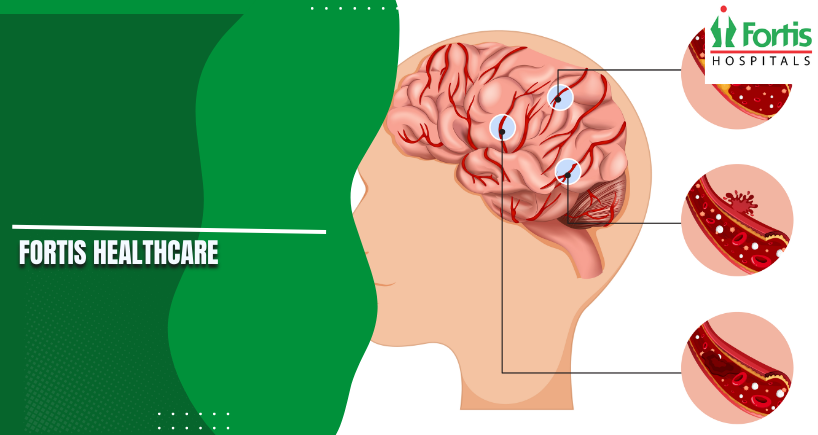


What Is a Transient Ischemic Attack (TIA) and How Can You Recognize Its Symptoms and Impact?
Imagine a sudden storm cloud passing quickly across the sun. For a brief moment, the light dims, the world changes, and then, just as suddenly, everything returns to normal. This fleeting disruption is similar to what happens in the brain during a transient ischemic attack (TIA). Often called a "mini-stroke," a TIA is a temporary interruption of blood flow to a part of the brain, causing stroke-like symptoms that appear suddenly and then disappear completely, usually within minutes to an hour.
Many people are tempted to dismiss a TIA once the symptoms resolve, thinking the danger has passed. This is a critical mistake. What is transient ischemic attack? It is not a minor event; it is a major warning sign. A TIA is a powerful predictor that a full, potentially devastating stroke could happen soon. Recognizing the transient ischemic attack symptoms and understanding its profound impact is absolutely crucial for preventing a future, permanent neurological injury.
The Underlying Cause: A Temporary Blockage
To understand a TIA, you first need to understand what causes a stroke. Most strokes are ischemic, meaning they occur when a blood clot or plaque buildup blocks an artery supplying blood to the brain. This blockage cuts off the oxygen supply, causing brain cells in that area to die rapidly.
A TIA involves the exact same mechanism, but with one key difference: the blockage is temporary. A small clot might briefly lodge in an artery and then quickly break up or move on, restoring blood flow before any permanent damage occurs. Or, a narrowed artery might temporarily restrict blood flow during a period of low blood pressure.
The transient ischemic attack causes are generally the same risk factors that lead to a full stroke:
Atherosclerosis: A buildup of fatty plaques in the arteries supplying the brain (carotid arteries) or within the small arteries inside the brain itself. Pieces of this plaque can break off and travel, causing a blockage.
Blood Clots from the Heart: Conditions like atrial fibrillation (an irregular heartbeat) can cause blood clots to form in the heart. These clots can travel through the bloodstream to the brain.
Small Vessel Disease: Damage to the tiny blood vessels deep within the brain, often related to high blood pressure or diabetes.
Other Less Common Causes: Including blood disorders, artery dissections (tears in the artery wall), or inflammation of blood vessels.
Recognizing the Transient Ischemic Attack Symptoms: Time Is Brain
The symptoms of a TIA are identical to the symptoms of an ischemic stroke. The only difference is that they are temporary. They appear suddenly and typically last only a few minutes, although they can sometimes persist for up to an hour (rarely, up to 24 hours). Because brain cells are deprived of oxygen during the event, the specific symptoms depend entirely on which part of the brain is affected.
Remember the acronym FAST – it is a simple way to recognize the most common signs:
F - Face Drooping: Does one side of the face droop or feel numb? Ask the person to smile. Is the smile uneven?
A - Arm Weakness: Is one arm weak or numb? Ask the person to raise both arms. Does one arm drift downward?
S - Speech Difficulty: Is speech slurred? Is the person unable to speak or hard to understand? Ask them to repeat a simple sentence.
T - Time to Call Emergency Services: If you see any of these signs, even if they seem to go away, call your local emergency number immediately.
Other potential transient ischemic attack symptoms include:
Sudden numbness or weakness of the leg, typically on one side of the body.
Sudden confusion, trouble understanding speech.
Sudden trouble seeing in one or both eyes.
Sudden trouble walking, dizziness, loss of balance, or coordination.
Sudden severe headache with no known cause.
The temporary nature of these symptoms is the defining characteristic of a TIA, but it does not make them less serious.
The Impact: Why a TIA Is a Medical Emergency
It is tempting to feel relief when TIA symptoms disappear. You might think you have dodged a bullet. The reality is that the bullet is still coming. A TIA is a profound warning sign that you are at very high risk for a major stroke.
Think of it like feeling a small tremor before a major earthquake. The tremor itself might not cause much damage, but it signals that a much larger, more destructive event is likely imminent.
High Risk of Stroke: Up to one-third of people who have a TIA will go on to have a full stroke within a year, with the highest risk occurring in the first few days and weeks after the TIA.
Urgency: This risk is why a TIA must be treated as a medical emergency, just like a stroke. Immediate evaluation is needed to identify the underlying cause and start preventative treatment.
Ignoring a TIA is like ignoring smoke alarms going off in your house. The immediate danger might seem to pass, but the underlying fire is still smoldering.
Recurrent Transient Ischemic Attacks: An Escalating Warning
Experiencing recurrent transient ischemic attacks (multiple TIAs over a short period) is an even stronger and more urgent warning sign. It often indicates a very unstable situation, such as severe narrowing of a major artery or a source of ongoing clot formation. The risk of having a major stroke soon after recurrent TIAs is extremely high. This situation requires immediate hospitalization and aggressive investigation to pinpoint and treat the cause.
Diagnosis and Transient Ischemic Attack Treatment
If you experience TIA symptoms, you need to be evaluated urgently, ideally in an emergency room. The diagnostic process focuses on confirming the event was likely a TIA and, more importantly, identifying the underlying cause to prevent a future stroke.
Medical History and Exam: Your doctor will ask detailed questions about your symptoms and perform a neurological exam.
Brain Imaging: A CT scan or MRI of the brain is essential. While it may not show damage from the TIA itself (because it was temporary), it can rule out other conditions and may show evidence of previous small strokes or the underlying cause (like small vessel disease).
Vascular Imaging: Tests like a Carotid Ultrasound, CT Angiogram (CTA), or MR Angiogram (MRA) are used to look for blockages or narrowing in the major arteries supplying the brain.
Heart Evaluation: An ECG and often an echocardiogram (ultrasound of the heart) are performed to look for heart rhythm problems (like atrial fibrillation) or structural issues that could be a source of clots.
The transient ischemic attack treatment is focused entirely on preventing a future stroke. Based on the identified cause, treatment may include:
Antiplatelet Medications: Drugs like aspirin or clopidogrel are often prescribed to make platelets less sticky and prevent clots.
Anticoagulant Medications: If the cause is a clot from the heart (like in atrial fibrillation), blood thinners like warfarin or newer anticoagulants are used.
Blood Pressure Control: Aggressively managing high blood pressure is critical.
Cholesterol Management: Statins are often prescribed to lower cholesterol and stabilize plaques.
Lifestyle Changes: Quitting smoking, eating a heart-healthy diet, regular exercise, and managing diabetes are essential.
Surgical Procedures: In cases of severe carotid artery narrowing, a procedure like carotid endarterectomy or stenting may be recommended to remove the blockage.
Heed the Warning: Your Brain Depends on It
A TIA is a brief event with potentially lifelong consequences if ignored. It is not a "mini-stroke" to be brushed aside; it is a critical warning siren. Recognizing the sudden onset of FAST symptoms or other stroke-like signs, even if they disappear quickly, is your cue to seek immediate medical help.
By understanding what is transient ischemic attack and treating it as the emergency it is, you significantly increase your chances of preventing a devastating future stroke and preserving your brain health for years to come.
Frequently Asked Questions
Q1. How can doctors tell if it was a TIA or a full stroke if the symptoms went away?
Ans. Often, they cannot tell definitively based on symptoms alone. The diagnosis relies on the description of temporary symptoms combined with brain imaging. An MRI done soon after the event might show a small area of damage even if symptoms are resolved (technically a small stroke), but often the MRI is normal after a true TIA. The urgent evaluation and treatment are the same regardless.
Q2. Can a TIA cause permanent damage?
Ans. By definition, a TIA does not cause permanent brain damage visible on standard imaging. That is what distinguishes it from a stroke. However, experiencing recurrent transient ischemic attacks can sometimes be associated with subtle cognitive changes over time, even without evidence of a major stroke.
Q3. What is the main difference in treatment between a TIA and a stroke?
Ans. The initial emergency evaluation is similar. However, for an acute ischemic stroke, treatments like clot-busting drugs (thrombolysis) or clot removal procedures (thrombectomy) may be possible if the patient arrives within a specific time window. These acute treatments are not used for a TIA because the blockage is already gone. The long-term transient ischemic attack treatment is identical to stroke prevention treatment.
Q4. Can stress cause a TIA?
Ans. While chronic stress can contribute to risk factors like high blood pressure, stress itself does not directly cause the blockage that leads to a TIA. The underlying transient ischemic attack causes are physical issues like plaque buildup or blood clots.
Categories
Clear allRelated Blogs
View all



Keep track of your appointments, get updates & more!

