
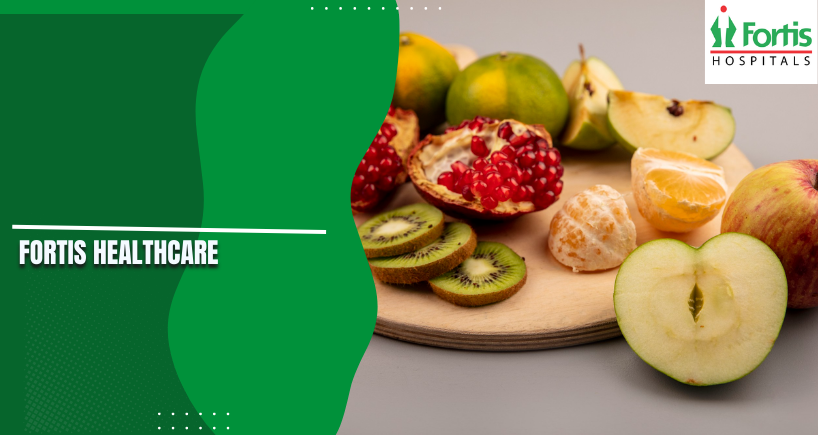


Which fruits have the highest sugar content and why do it matter?
In the world of nutrition, fruit holds a confusing position. We are told from childhood to "eat our fruit," that it is a cornerstone of a healthy diet, packed with vitamins and fiber. Yet, in the same breath, we are warned to avoid sugar, and fruits that contain sugar are often viewed with suspicion, lumped in with other foods high in sugar. This conflicting advice can leave many people wondering: is fruit a friend or a foe?
The short answer is that fruit is overwhelmingly a friend. The natural sugar in fruit is not the same as the processed sugar in a candy bar. The difference lies in the "package" it comes in, a distinction that has a profound impact on your health. Understanding which fruits are higher in sugar, which are lower, and why it matters can empower you to make the best choices for your individual health goals.
A Critical Distinction: Natural Sugar vs. Added Sugar
To have a smart conversation about sugar, we must first separate natural sugar from added sugar.
Added sugars (like table sugar or high-fructose corn syrup) are empty calories. They have been stripped of all nutrients. When you consume them, they are absorbed very rapidly, causing a sharp, unhealthy spike in your blood sugar and insulin levels.
Natural sugars (like the fructose in fruit) come packaged with a powerful nutritional team: fiber, water, vitamins, and antioxidants. This fiber is the most critical difference. It slows down digestion and the absorption of sugar into your bloodstream, preventing the dramatic blood sugar spike. This means the energy from fruit is released more slowly and steadily.
Therefore, eating a 150-calorie apple is not the same as drinking a 150-calorie soda. The apple provides sustained energy and valuable nutrients, while the soda provides a quick jolt followed by a crash.
Are There Any Fruits Without Sugar?
This is a very common question, with many people searching for fruits without sugar. Let's be perfectly clear: no fruit is completely without sugar. Sugar (in the form of fructose) is what gives fruit its appealing sweet taste.
However, the amount of sugar varies dramatically. If your goal is to choose fruits that are very low in sugar and carbohydrates, you have several excellent options.
Low-Sugar Fruits:
Berries: Raspberries, blackberries, and strawberries are all fantastic low-sugar, high-fiber choices.
Melons: Cantaloupe and honeydew melon are high in water content, which dilutes their sugar concentration.
Avocado: Yes, it is a fruit! Avocados are extremely low in sugar and packed with healthy fats and fiber.
Citrus Fruits: Grapefruits, lemons, and limes are also on the lower end of the sugar spectrum.
Which Fruit Contains More Sugar?
On the other end of the spectrum are high sugar fruits. These fruits are more calorie-dense and have a higher concentration of natural sugar. This does not make them "bad" – it just means they are a richer source of energy, and portion control might be more important, especially for certain individuals.
Fruits Higher in Sugar Include:
Mangoes: A single mango can contain over 40 grams of sugar.
Grapes: A cup of grapes can have over 20 grams of sugar.
Cherries: Sweet and delicious, they are also on the higher end.
Pomegranates: Rich in antioxidants but also high in sugar.
Bananas: A popular and convenient fruit, but one medium banana has around 14 grams of sugar.
Figs: Especially in their dried form, figs are very high in sugar.
What About Dried Fruits and Fruit Juices?
This is where the conversation about fruit and sugar changes completely. The form in which you consume fruit is just as important as the type.
Dried Fruit: When you remove the water from fruit to make dried fruit (like raisins, dates, or dried apricots), you dramatically concentrate the sugar and calories into a much smaller, less-filling package. It becomes very easy to overeat, consuming hundreds of calories and a high sugar load in just a small handful.
Fruit Juice: This is the worst offender. When you juice a fruit, you strip away all of the valuable fiber, leaving behind what is essentially sugar water with some vitamins. Drinking a glass of orange juice causes a blood sugar spike that is very similar to drinking a glass of soda. It is always better to eat the whole orange.
Why the Sugar Content Matters for Your Health
For the average, healthy person, the sugar in whole fruit is not a concern when eaten as part of a balanced diet. The fiber and nutrients are overwhelmingly beneficial. However, there are two specific situations where knowing about high sugar fruits is important.
1. For Individuals Managing Diabetes
If you have type 2 diabetes, your body has difficulty managing blood sugar. While you can and should still eat fruit, you must be more strategic.
Portion Control: A whole mango might be too much sugar at once. A half mango might be fine.
Choose Low-Sugar Options: Opting for berries, melon, or an apple is a smart choice that will have a less dramatic impact on your blood sugar.
Pair It Wisely: Never eat a high sugar fruit alone. Pair it with a protein or a healthy fat, like a handful of nuts or a piece of cheese. The fat and protein will further slow down the sugar absorption, leading to a much gentler blood sugar response.
2. For Individuals Managing Weight
If your goal is weight loss, you are in a calorie-controlled state. While fruit is healthy, calories still count. A cup of grapes (around 100 calories) and a cup of raspberries (around 65 calories) may be equally nutritious, but one is more calorie-dense. Being aware of the higher-calorie, high sugar fruits can help you manage your portions and stay within your calorie budget more easily.
A Smart Approach to Enjoying Fruit
Do not fear fruit. It is a vital, health-promoting food group. For most people, the question should not be "which fruit," but "how much" and "in what form." Prioritize eating whole, fresh fruits in a variety of colors.
If you have specific health concerns like diabetes, partner with your doctor or a registered dietitian. They can help you create a plan that incorporates the fruits you love in a way that is safe and healthy for your specific metabolic needs.
Frequently Asked Questions
Q1. Which fruits are the lowest in sugar?
Ans. The lowest-sugar fruits are berries (raspberries, blackberries, strawberries), melons (cantaloupe, honeydew), avocados, grapefruit, and lemons. These are excellent choices for those on a low-sugar or low-carb diet.
Q2. Are high sugar fruits bad for people with diabetes?
Ans. Not "bad," but they require more planning. A person with diabetes can still eat fruits like mangoes or grapes, but they must be diligent about portion control and are better off pairing them with a fat or protein to blunt the blood sugar spike.
Q3. Is fruit sugar the same as regular table sugar?
Ans. No. The main sugar in fruit is fructose. Table sugar is sucrose. However, the real difference is the packaging. The fiber and water in the whole fruit slow down the absorption of fructose. Table sugar is a "free" sugar with no fiber, so it hits your bloodstream very quickly.
Q4. Does eating a lot of high sugar fruits cause weight gain?
Ans. Any food can cause weight gain if it contributes to a consistent calorie surplus. Because high sugar fruits are more calorie-dense, they can be easier to overeat than low-sugar fruits. However, it is very difficult to gain weight by only eating whole fruit, as the fiber and water content make them very filling.
Categories
Clear allRelated Blogs
View all










Keep track of your appointments, get updates & more!

